Leave Your Message

Top 10 Centrifugal Fan Manufacturers in China

China’s centrifugal fan sector spans compact workshop units, large industrial blowers, and customized ventilation systems. The manufacturers in this guide are compared through practical criteria: product range, stated performance data, materials, quality controls, customization, and after-sales support. A catalog can show airflow and pressure figures. It may not reveal how a fan performs beside a dusty furnace, a long duct run, or a variable-speed drive.

A useful engineering principle, paraphrased rather than presented as a verbatim quotation, is associated with turbomachinery professor Jörg Seume: “Match the fan to the system, not merely the catalog.” That distinction matters. Buyers should check operating conditions, efficiency data, vibration limits, noise levels, and service access before comparing prices. A technically impressive model can still be a poor fit.

This overview of the Top 10 Centrifugal Fan Manufacturers in China is intended as a starting point, not a universal verdict. Supplier capabilities change, and published specifications deserve independent confirmation. Ask for test documentation, drawings, material details, and references from similar applications. Look closely at the impeller and housing; small design choices can affect maintenance and performance. No ranking can fit every plant. That is an imperfect truth, but a useful one. Select a shortlist, verify the evidence, and judge each manufacturer against the demands of your actual installation.
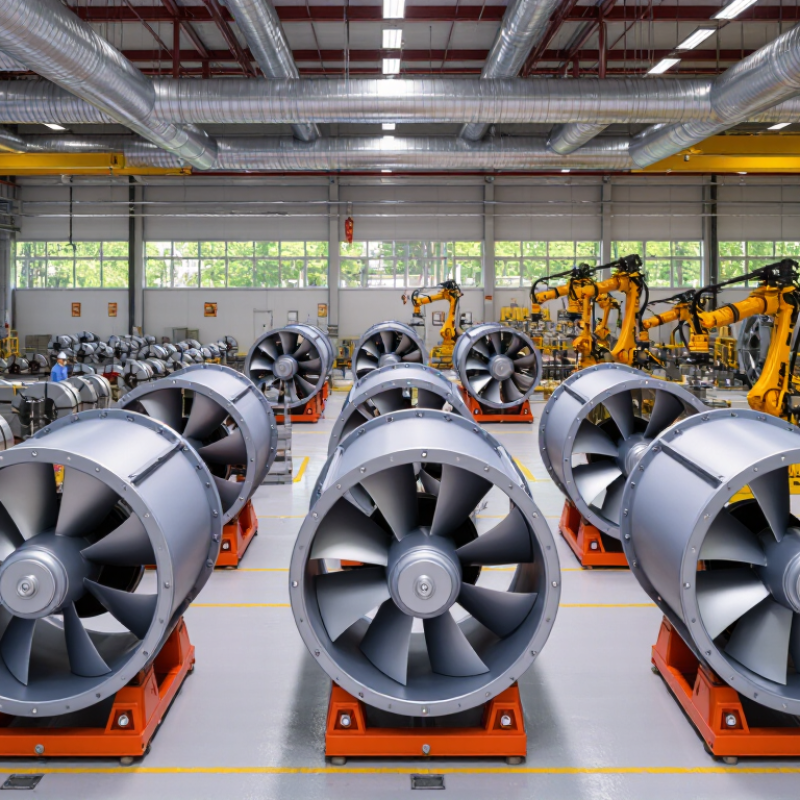
Top 10 Centrifugal Fan Manufacturers in China

Centrifugal Fans: Operating Principles and Common Applications

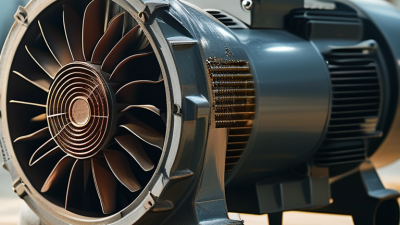
Centrifugal fans move air with a rotating impeller. Air enters through the inlet, then travels outward between the blades. The impeller increases its speed and pressure. Inside the spiral-shaped casing, some air velocity is converted into useful static pressure. That matters. Fan performance depends not only on the impeller, but also on duct layout, filters, and system resistance.


Blade shape and operating conditions affect a fan’s best use. Backward-curved designs often suit efficient ventilation, while radial blades can handle certain dusty or particle-laden air streams. Common applications include building HVAC, factory exhaust, drying systems, and boiler air supply. Selection should account for airflow, pressure, temperature, and the air being moved. A neat calculation can still miss a tight bend or a clogged filter. Real installations are less tidy than diagrams. Operators can watch for unusual vibration, bearing heat, and falling airflow; these clues may signal wear or blockage, but they do not replace proper inspection. A well-matched fan should deliver the required air without excessive noise or energy use.
Criteria for Selecting Centrifugal Fan Manufacturers in China

Selecting a centrifugal fan manufacturer in China starts with the operating conditions, not a catalogue image. Share the required airflow, static pressure, gas temperature, dust level, and duty cycle. A supplier should explain how these values shape the impeller, casing, motor, and materials. If your process includes abrasive particles, ask about wear protection and inspection intervals. Small details matter.

Request a performance curve for the proposed model, then compare it with your actual system resistance. Ask whether testing follows a stated method and whether the test report identifies the fan configuration. Check vibration and noise data, balancing procedures, and motor efficiency documentation. Useful evidence is specific: a test record, a material specification, or a drawing with dimensions. Vague assurances are not enough.

Factory capability also deserves a close look. Confirm machining, welding, assembly, and final inspection arrangements, either through documented processes or a site visit. Ask how spare parts are identified and how technical questions are handled after delivery. Response time matters when a production line is waiting. No checklist catches everything. I would also ask what the supplier would change after reviewing the application; a cautious answer can be more credible than a perfect-sounding promise. Compare total operating costs, not purchase price alone.

Profiles of Ten Leading Centrifugal Fan Manufacturers in China

Profiles of ten leading centrifugal fan manufacturers in China reveal a market shaped by different engineering priorities. One manufacturer may focus on large process fans, while another builds ventilation units for factories and commercial buildings. A third designs fans for mining sites, where dust, vibration, and continuous operation influence equipment choices. Power-generation projects often require high-temperature designs and careful performance documentation. Cleanroom suppliers, by contrast, prioritize controlled airflow and low particle generation.

Other manufacturers specialize in corrosion-resistant materials, compact units for limited installation space, or custom designs for unusual operating conditions. Some provide complete air-handling systems, while others concentrate on fan production and leave integration to project contractors. These differences matter more than broad claims about capacity or efficiency. Buyers can compare operating curves, material specifications, noise data, testing procedures, and after-sales support. Details matter. Published specifications are useful, but actual performance depends on installation, maintenance, and working conditions. A profile should therefore be treated as a starting point, not proof of suitability. Without comparable test data, ranking manufacturers with confidence is difficult.

Comparing Manufacturers by Products, Technology, and Certifications

When comparing the top ten centrifugal fan manufacturers in China, start with the product range. Check whether each supplier offers backward-curved, forward-curved, or radial-blade designs for your airflow and pressure needs. Ask for performance curves, not just maximum airflow figures. A fan moving air freely may perform very differently against filters, ducts, or process equipment.

Technology matters in daily operation. Look for documented impeller balancing, casing design, motor options, and vibration testing. Ask how performance is measured and whether test conditions match your application. Details such as bearing access and drain points can affect maintenance later. Small things matter. A polished catalogue is useful, but it cannot replace clear test records or a factory discussion. Some product pages leave gaps; buyers should note them rather than assume.

Certifications help assess quality systems and product suitability, but check their scope and validity. A certificate may cover a factory process, not every fan model. Request copies and confirm that model numbers, production sites, and test standards align with the quotation. Also compare material specifications, noise data, delivery lead times, and after-sales support. No single certificate proves a fan will suit every installation. The best comparison is specific: match documented products, verified engineering capability, and relevant certifications to the operating conditions you actually expect.

Choosing a Manufacturer for Your Project’s Requirements

Choosing among centrifugal fan manufacturers in China starts with the operating conditions, not a catalogue headline. Define the required airflow, static pressure, operating hours, and temperature range. Compare offers at the same duty point; a higher airflow figure alone may not mean better performance. For example, a fan moving dusty air through a long duct needs different wear protection from one serving a clean workshop. Ask for performance curves, motor details, vibration limits, and material specifications. That matters.

Then check how the manufacturer verifies its claims. Request test records, dimensional drawings, and clear information about balancing and inspection. Ask what changes are possible if the installation space is tight or the air contains moisture. Lead time and access to replacement bearings or impellers also affect a project’s real cost. A neat quotation is useful, but it cannot answer every site question. I would still question any proposal that leaves operating assumptions vague. A short technical discussion may reveal that the original fan size needs revisiting. It is an inconvenient possibility, but better to find it before installation. Review communication, documented quality checks, and commissioning support alongside price.

Top 10 Centrifugal Fan Manufacturers in China - Choosing a Manufacturer for Your Project’s Requirements

Profile Typical Fan Portfolio Indicative Airflow Range Indicative Static Pressure Common Drive / Impeller Options Potential Project Fit Key Items to Verify
Supplier Profile 01 General-purpose forward-curved centrifugal fans 500–30,000 m³/h 200–1,500 Pa Direct drive; forward-curved wheel Commercial ventilation, air handling units, and ducted supply or exhaust Operating point, sound level, motor efficiency, and fan curve
Supplier Profile 02 Backward-curved centrifugal fans 1,000–100,000 m³/h 500–3,000 Pa Direct or belt drive; backward-curved wheel Energy-conscious HVAC systems and larger ventilation installations Efficiency at the specified duty point, stable operating range, and vibration limits
Supplier Profile 03 High-pressure centrifugal fans 500–30,000 m³/h 3,000–20,000 Pa Belt or direct drive; radial or backward-curved wheel Pneumatic conveying, combustion air, and systems with high duct resistance Required pressure definition, gas density, temperature, and motor power margin
Supplier Profile 04 Industrial process and exhaust fans 2,000–150,000 m³/h 500–8,000 Pa Belt or direct drive; radial or backward-curved wheel Factory ventilation, process exhaust, and dust-handling systems Particle loading, abrasion resistance, access for cleaning, and duty cycle
Supplier Profile 05 Corrosion-resistant centrifugal fans 500–60,000 m³/h 300–5,000 Pa Direct or belt drive; material-specific impeller options Chemical exhaust and applications involving corrosive or humid air Gas composition, concentration, temperature, and material compatibility
Supplier Profile 06 High-temperature centrifugal fans 1,000–80,000 m³/h 500–6,000 Pa Belt drive or isolated motor arrangement; heat-resistant construction Ovens, dryers, furnaces, and hot-gas circulation or exhaust Continuous and peak temperatures, cooling arrangement, seals, and bearing location
Supplier Profile 07 Dust and material-handling fans 1,000–100,000 m³/h 1,000–10,000 Pa Belt drive; radial or wear-resistant impeller Dust collection, conveying lines, and process air containing particulates Particle size and concentration, wear protection, cleanout access, and balancing
Supplier Profile 08 Compact centrifugal blowers 50–10,000 m³/h 500–10,000 Pa Direct drive; compact radial or backward-curved impeller Equipment ventilation, compact machinery, and localized air supply Installation envelope, inlet conditions, control method, and noise at operating speed
Supplier Profile 09 Large-capacity centrifugal fans 50,000–500,000 m³/h 500–5,000 Pa Belt, coupling, or direct drive; heavy-duty impeller and housing Large industrial plants, power facilities, and high-volume ventilation Structural loads, rotor dynamics, maintenance access, and performance testing scope
Supplier Profile 10 Custom-engineered centrifugal fan systems Project-specific Project-specific Drive and impeller selected for the duty point and installation Non-standard gas conditions, unusual layouts, or integrated fan packages Approved drawings, guaranteed performance, applicable standards, and factory acceptance tests

Note: These anonymous profiles are a selection framework, not a verified ranking or company-specific product list. Airflow and pressure bands are indicative engineering ranges; actual capability depends on fan design, gas conditions, speed, and configuration. Request certified performance curves and project-specific documentation when evaluating suppliers.