Top Supply Centrifugal Fan Trends to Watch in 2026?
As the manufacturing landscape evolves, the supply centrifugal fan industry faces significant transformations. Experts like Dr. Alan Roberts, a renowned authority in ventilation systems, emphasize the upcoming changes. He states, "Innovation in supply centrifugal fans will redefine industry standards in efficiency and sustainability by 2026."
Understanding supply centrifugal fans is crucial for various applications. These fans are essential for cooling, heating, and ventilation. Their role in enhancing airflow directly impacts energy efficiency. However, the market is witnessing challenges. Increased demand for advanced technologies and eco-friendly solutions compels manufacturers to adapt quickly.
Additionally, trends like smart technology integration and reduced noise levels are emerging. These shifts need closer examination. Manufacturers may find it difficult to keep pace with rapid innovations. The choices businesses make today will influence their competitiveness tomorrow. Being aware of these changes is vital for stakeholders in the supply centrifugal fan sector.

Emerging Technologies in Centrifugal Fan Design for 2026
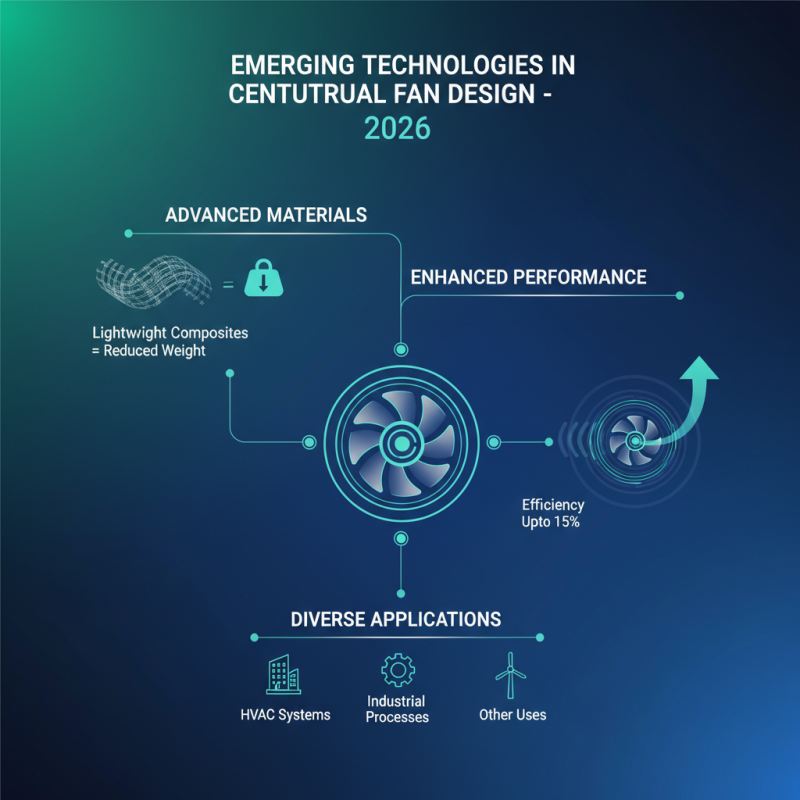
As we approach 2026, centrifugal fan design is set to undergo significant transformation. Emerging technologies are reshaping the industry. Advanced materials are becoming increasingly important. These materials enhance performance while reducing weight significantly. Reports indicate that lightweight composites can improve efficiency by up to 15%. This efficiency gain is vital in various applications, from HVAC systems to industrial processes.
Another notable trend is the rise of smart fan technologies. Integrated sensors are being utilized to monitor performance in real-time. This data helps in predictive maintenance and operational efficiency. Industry studies show that implementing smart solutions can reduce downtime by approximately 30%. These innovations reflect the need for reliability in high-demand environments.
The challenges of adapting to these technologies cannot be overlooked. There is a gap in understanding and implementing complex systems. Many manufacturers struggle with integration. Moreover, the rapid pace of technological development creates pressure to keep up. With new standards emerging, staying compliant while innovating is a balancing act. The centrifugal fan industry must navigate these waters carefully to meet future demands effectively.
Sustainability Trends Impacting the Centrifugal Fan Industry
The centrifugal fan industry is rapidly evolving, particularly with the emphasis on sustainability. In 2026, innovations driven by ecological considerations will play a significant role. According to a recent report by the Environmental Protection Agency, energy-efficient fans could save up to 30% in operational costs. This statistic is crucial for industries seeking to reduce their carbon footprint while maintaining performance.
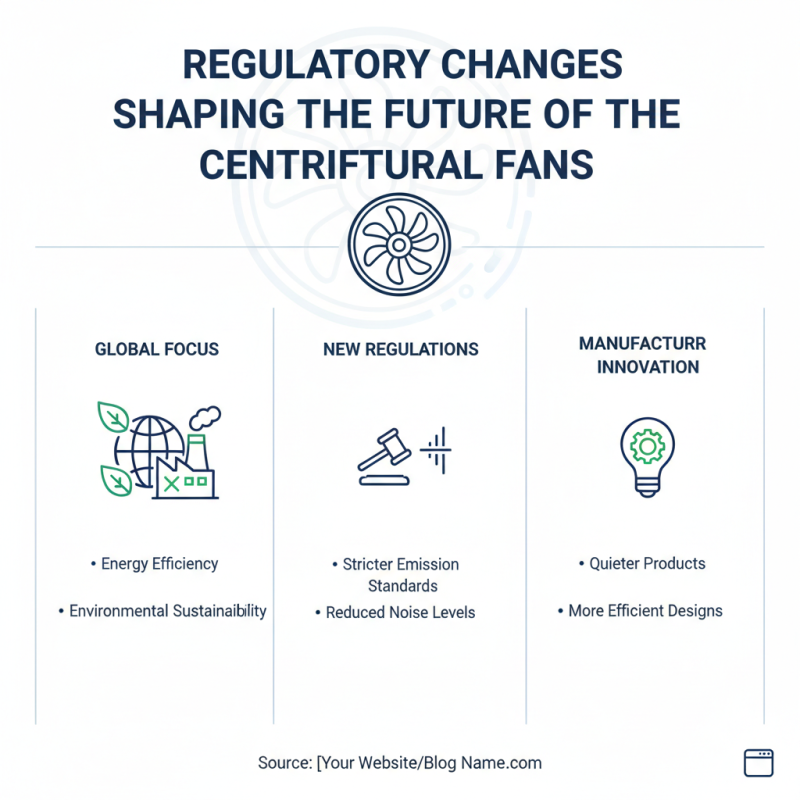
Another trend is the use of eco-friendly materials in fan manufacturing. Research indicates that companies adopting sustainable materials can enhance their market share by 15%. This shift not only meets consumer demand for greener products but also ensures compliance with stricter regulations.
**Tip:** Consider evaluating your current fan models for energy efficiency. Upgrading can lead to significant cost savings and reduced environmental impact.
Monitoring air quality in relation to fan output is also becoming essential. An estimate from the World Health Organization suggests that improved ventilation systems can decrease airborne pollutants by up to 50%. This refinement shows the dual benefit of better health and sustainability in industrial settings.
**Tip:** Regularly assess your system's air quality. This can lead to optimal performance and prolonged equipment life.
Embracing these sustainability trends is vital for companies aiming to thrive. Adaptation is not only necessary; it is a responsibility that can no longer be ignored.
Market Growth Predictions for Centrifugal Fans by 2026
The centrifugal fan market is expected to witness significant growth by 2026. Various industries are increasingly relying on efficient air movement solutions. This surge is driven by rising demand in HVAC, manufacturing, and wastewater treatment sectors. These industries prioritize energy efficiency and durability. As a result, suppliers are innovating new designs to meet performance standards.
In this evolving landscape, technological advancements play a crucial role. The emergence of smart fans that integrate IoT features is noteworthy. These fans enhance operational efficiency and allow for real-time monitoring. However, some challenges persist. Manufacturers must address issues like noise reduction and sustainability. Balancing performance with environmental concerns remains a critical focus for developers.
Additionally, global supply chain challenges could impact availability and lead to price fluctuations. Companies need to prepare for these uncertainties while fostering reliability. Continuous feedback and adaptation are vital for success in this dynamic market. As the demand continues to grow, staying informed about trends will be essential for stakeholders.
Top Supply Centrifugal Fan Trends to Watch in 2026
| Trend |
Predicted Market Growth (%) |
Key Drivers |
Projected Market Size (USD million) |
| Energy Efficiency Innovations |
10% |
Regulatory standards, cost savings |
500 |
| Smart Fan Technology |
15% |
IoT integration, automation trends |
600 |
| Low Noise Operation |
8% |
Increasing urbanization, acoustic comfort |
450 |
| Customization and Modularity |
12% |
Changing consumer demands |
550 |
| Sustainable Materials Use |
9% |
Environmental concerns, green certifications |
480 |
Key Innovations in Centrifugal Fan Efficiency and Performance
In 2026, centrifugal fan technology is set for significant breakthroughs. Innovations in efficiency and performance will dominate the industry. The global centrifugal fan market is projected to reach $6.3 billion by 2026, indicating a growing demand for advanced designs. Energy-efficient models will likely lead the way, presenting an 8% annual growth rate from 2021 to 2026.
Improved aerodynamic designs will enhance airflow and reduce energy consumption. The use of advanced materials can increase fan durability and reduce weight. This allows fans to operate at lower noise levels while maintaining high performance. Data from industry reports highlight that new blade designs can improve the efficiency of these fans by up to 15%.
Tip: Regularly maintaining your centrifugal fans can prolong their lifespan and efficiency. Investing in smart controls will also optimize performance based on real-time data, which could significantly reduce operational costs. Despite these advancements, manufacturers must address challenges related to environmental impact and sustainability. Balancing innovation with eco-friendly practices remains an ongoing industry concern.
Top Supply Centrifugal Fan Trends to Watch in 2026
This chart illustrates the projected improvements in centrifugal fan efficiency and performance metrics by 2026, focusing on key innovations such as energy efficiency, noise reduction, and airflow capacity.