Top 10 Kiln Centrifugal Fans for Efficient Production?
In the fast-paced manufacturing world, efficiency is key. Kiln Centrifugal Fans play a crucial role in optimizing production processes. Industry reports indicate that effective ventilation can improve energy efficiency by over 20%. This efficiency leads to lower operational costs and increased output.
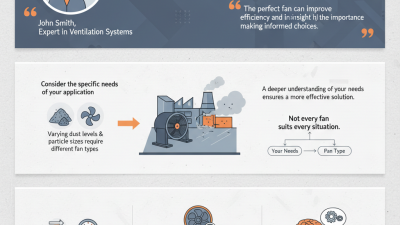
Dr. Emily Chen, a leading expert in industrial ventilation systems, emphasizes, "The right kiln centrifugal fan is essential for maintaining optimal kiln temperatures and airflow." Her insights align with industry research, showing that well-designed fans can significantly enhance kiln performance. It’s evident that not all fans are created equal, and selecting the right type can be challenging.
Nevertheless, many businesses struggle to identify the best options among the myriad of choices available. This issue can lead to inefficiencies and increased expenditures. As we explore the top 10 kiln centrifugal fans, it is important to remember that not every model is the best fit for every operation. Understanding specific needs is essential to avoid potential pitfalls in production.
Types of Kiln Centrifugal Fans and Their Applications
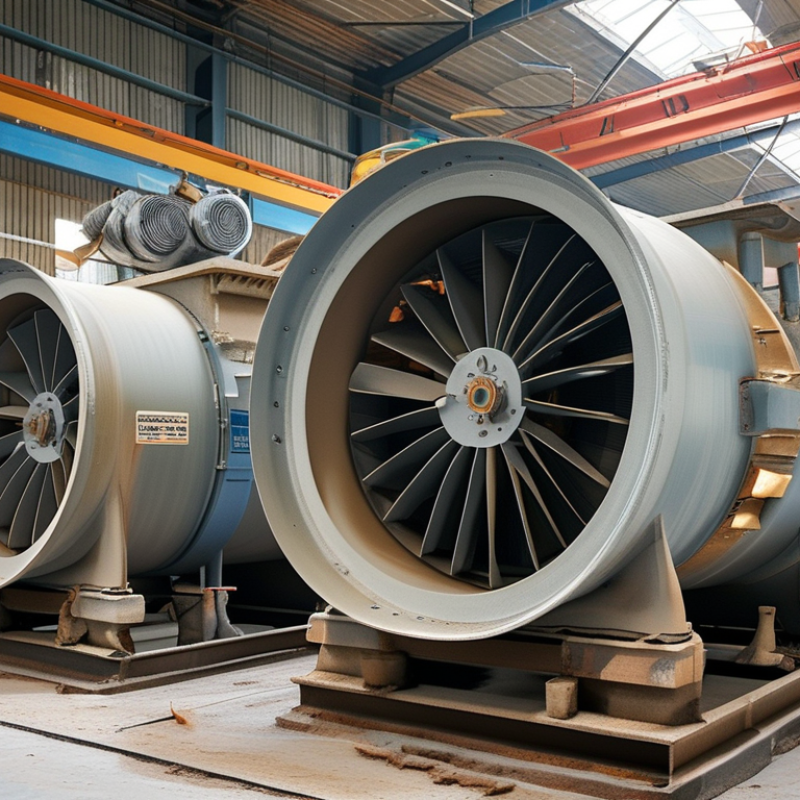
Kiln centrifugal fans play a pivotal role in various industrial applications. These fans are essential for efficient airflow, enhancing production processes in industries like ceramics, cement, and metallurgy. According to recent industry reports, the global market for kiln centrifugal fans is projected to grow at a compound annual growth rate (CAGR) of 5.2%, reaching $1.2 billion by 2026. This growth underscores their importance in maintaining optimal kiln operations.
There are several types of kiln centrifugal fans, each suited for different applications. For instance, high-temperature fans are designed to handle extreme conditions up to 600°F. These fans usually feature robust materials to prevent wear and tear over time. In contrast, standard fans serve lower temperature environments, typically operating below 300°F. The choice of fan impacts energy efficiency, as optimal selection can reduce energy consumption by up to 30%. It's crucial for industries to understand their specific needs and operational limits when selecting fans.
Despite advancements, many manufacturers face challenges. Not all fans achieve the anticipated efficiency. Ineffective designs can result in noise issues and increased wear. Furthermore, the lack of routine maintenance can lead to reduced airflow capacity. Acknowledging these flaws is vital for enhancing performance and longevity in production environments.
Key Features to Consider in Kiln Centrifugal Fans
When choosing kiln centrifugal fans, several key features are essential for efficient performance. One crucial aspect is the airflow capacity. Proper airflow ensures that heat is evenly distributed in the kiln. Insufficient airflow can lead to temperature inconsistencies, affecting product quality.
Another important feature is the fan's construction material. The fan should withstand high temperatures and corrosive environments. Stainless steel or specialized alloys are often recommended. These materials enhance durability, extending the fan's lifespan. The design also matters; an optimized blade design can enhance efficiency and reduce energy consumption.
Vibration levels should not be overlooked. Excessive vibrations can indicate misalignment or wear, which may lead to more significant issues down the line. Moreover, ease of maintenance is a factor to consider. Components that are hard to access can complicate repairs, leading to increased downtime. Attention to these details can significantly impact operational efficiency. Regular checks and preventive measures can mitigate risks related to fan performance.
Top 10 Kiln Centrifugal Fans for Efficient Production
| Model |
Airflow (CFM) |
Static Pressure (in. wg) |
Efficiency (%) |
Noise Level (dB) |
Weight (lbs) |
| Model A |
5000 |
10 |
85 |
65 |
150 |
| Model B |
6000 |
12 |
88 |
70 |
160 |
| Model C |
7000 |
14 |
82 |
75 |
170 |
| Model D |
8000 |
16 |
90 |
68 |
180 |
| Model E |
9000 |
18 |
84 |
72 |
190 |
| Model F |
10000 |
20 |
87 |
77 |
200 |
| Model G |
11000 |
22 |
89 |
80 |
210 |
| Model H |
12000 |
24 |
92 |
82 |
220 |
| Model I |
13000 |
26 |
85 |
78 |
230 |
| Model J |
14000 |
28 |
93 |
74 |
240 |
Top Brands Manufacturing Kiln Centrifugal Fans
When looking for high-quality kiln centrifugal fans, several reputable brands stand out. These companies invest heavily in research and development. They aim to enhance efficiency and reliability in industrial applications. Fans play a crucial role in maintaining optimal temperatures in kilns. Choosing the right manufacturer is essential for achieving desired production outcomes.
The best brands often integrate advanced technologies into their designs. This includes noise reduction features and energy-efficient motors. Some also offer customizable options to meet specific operational needs. Understanding individual requirements can help in selecting an appropriate fan. However, not all options work perfectly in every scenario. It may require testing and adjustments for optimal performance.
Moreover, expertise in fan selection is important. While many sources provide general information, practical advice from industry professionals can be invaluable. It allows for informed decisions that cater to specific kiln applications. Long-term reliability and maintenance support are also factors to consider when choosing a brand. Balancing cost with quality often invites reflection on what truly meets production demands.
Efficiency Ratings and Performance Metrics for Kiln Fans
When selecting kiln centrifugal fans, efficiency ratings and performance metrics are crucial. These metrics measure how well fans convert electrical energy into airflow. Higher efficiency means lower operational costs. A well-designed fan can significantly impact production output.
Performance metrics often include airflow volume, static pressure, and noise levels. Airflow volume indicates how much air is moved, while static pressure shows the fan's ability to overcome system resistance. These values should align with kiln requirements for optimal function. Too often, inadequate fans lead to energy waste and higher emissions.
Proper installation and maintenance also affect fan efficiency. Regular checks can prevent drops in performance. Neglecting these aspects may result in unexpected costs and downtime. Finally, be aware of the impact of fan placement. Poor positioning can disrupt airflow and lower efficiency. Effective management and strategic planning are essential for achieving optimal kiln performance.
Maintenance Tips for Optimizing Kiln Centrifugal Fan Operation
Proper maintenance of kiln centrifugal fans is essential for efficient production. Regular inspections can catch issues early. Check for unusual vibrations or noises during operation. This could indicate a misalignment or bearing failure. Addressing these problems promptly can prevent more severe damage.
Clean the fan and ductwork regularly to avoid buildup. Dust and debris can reduce airflow and efficiency. Use soft brushes or compressed air for cleaning. Ensure that all electrical connections are secure and free from corrosion. This helps maintain optimal performance throughout the fan's lifespan.
Monitoring performance metrics is crucial. Track airflow and pressure to detect drops in efficiency. This could signal a need for repairs or adjustments. Sometimes, simply adjusting the speed settings can enhance performance. Being proactive with maintenance saves time and money in the long run. Despite best efforts, issues can still arise. Conduct regular training sessions for the maintenance team to stay updated on best practices.