2026 Best Dust Centrifugal Fan Options for Global Buyers?
In the dynamic world of industrial ventilation, the relevance of "Dust Centrifugal Fans" cannot be overlooked. These fans are essential for managing airborne particles in various environments. As the global demand for cleaner air increases, the selection of the right dust centrifugal fan becomes crucial for efficiency and safety. According to a recent report by Market Research Future, the dust ventilation market is projected to grow by 5.2% annually, underlining the need for high-quality solutions.
Expert Richard Smith, an industry leader with over two decades of experience, stated, "Choosing the right dust centrifugal fan can significantly impact operational efficiency." His insight reflects the intricate balance between functionality and energy consumption in selecting these units. Buyers must consider performance metrics carefully. Factors such as airflow rate and energy efficiency play a pivotal role in the decision-making process.
However, not all fans perform equally. Many brands may promise high efficiency but deliver mediocre results. This inconsistency raises questions about reliability and the engineering behind these devices. Aspiring buyers should scrutinize industry reviews and case studies. By doing so, they can make informed choices that truly address their needs in dust management.
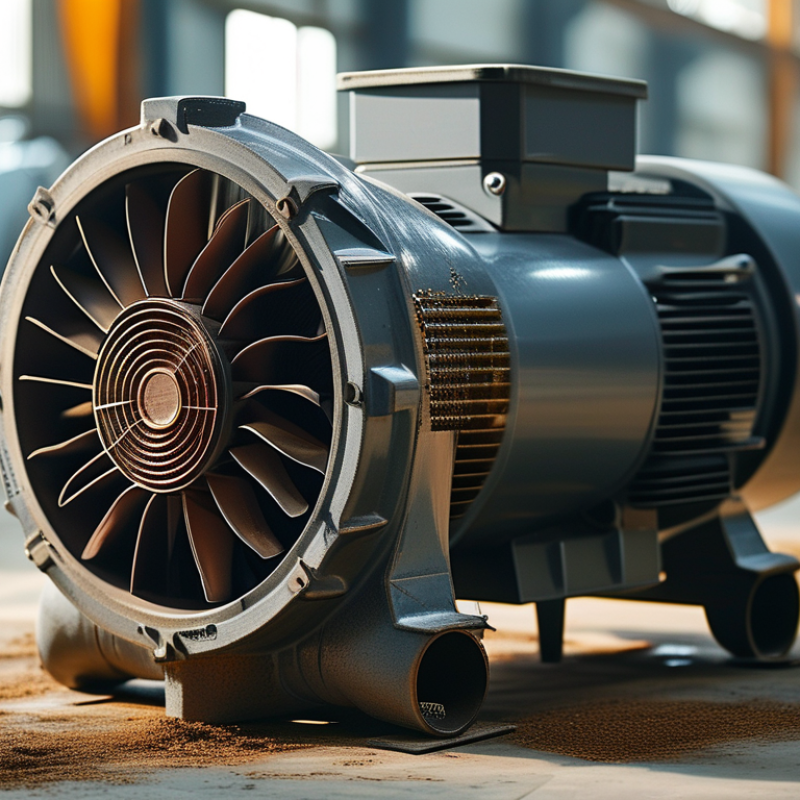
Overview of Dust Centrifugal Fans and Their Applications
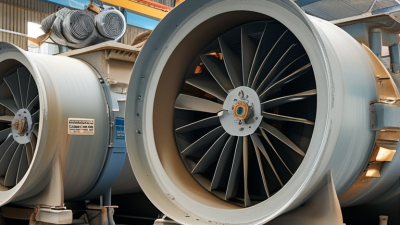
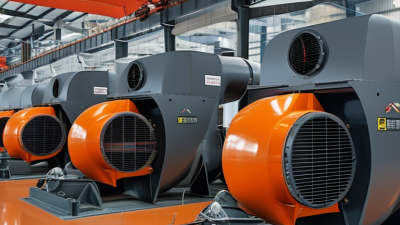
Dust centrifugal fans play a crucial role in various industrial applications. They are designed to handle bulk dust, air, and gas removal from environments. These fans are widely used in manufacturing, woodworking, and chemical processing. Their ability to operate under high dust load conditions makes them essential for maintaining a clean and safe workspace.
In many settings, choosing the right dust centrifugal fan can be challenging. Factors to consider include airflow requirements, pressure ratings, and efficiency. Some fans excel in high static pressure systems, while others thrive in lower pressure environments. Understanding these specifications can prevent operational issues and enhance efficiency. However, there is not a one-size-fits-all solution. Every application has unique demands.
Further, it’s essential to acknowledge that even the best fans require regular maintenance. Dust accumulation can lead to reduced performance, safety risks, and increased energy costs. Many buyers overlook this aspect, resulting in inefficient operations. Regular checks and proper maintenance schedules can limit such challenges and ensure longevity. Overall, selecting the correct fan based on specific operational needs is key to maximizing work efficiency.
2026 Best Dust Centrifugal Fan Options for Global Buyers
| Model |
Airflow (CFM) |
Static Pressure (in H2O) |
Power Consumption (HP) |
Noise Level (dB) |
Application |
| Model A |
5000 |
4.0 |
6 |
78 |
Industrial Dust Collection |
| Model B |
6000 |
3.5 |
7.5 |
80 |
Construction Site Ventilation |
| Model C |
4500 |
5.0 |
5 |
75 |
Woodworking Shops |
| Model D |
7000 |
4.5 |
10 |
82 |
Metalworking Facilities |
| Model E |
8000 |
3.0 |
8.5 |
79 |
Food Processing Plants |
Key Features to Consider When Choosing a Dust Centrifugal Fan
When selecting a dust centrifugal fan, certain key features should guide your decision. Start with performance specifications, such as airflow and static pressure. A fan’s efficiency directly impacts its effectiveness in dust collection. Strong airflow is crucial in maintaining a clean environment, especially in industrial settings.
Material durability is another factor. Fans made from corrosion-resistant materials tend to last longer, especially in harsh conditions. Look for features like reinforced housings and bearings that withstand heavy use. This consideration can save you money in the long run.
**Tips:** Assess the operational noise level. An overly loud fan can affect employee productivity. Ensure it operates within acceptable limits. Also, check for energy consumption rates to manage ongoing costs effectively.
Lastly, evaluate maintenance requirements. Some fans require more frequent servicing, which may impact your workflow. Research the average lifespan of parts to anticipate future expenses. Balancing these elements can lead to a more informed choice, ensuring you select the best dust centrifugal fan for your needs.
Top Brands and Models of Dust Centrifugal Fans for 2026
The demand for dust centrifugal fans is increasing globally. Industries are prioritizing efficient dust control solutions. According to the latest market report, the dust extraction equipment market is expected to grow by 5.2% annually through 2026. This growth reflects the rising awareness of air quality and workplace safety.
Key features to consider include airflow capacity and energy efficiency. Many high-performing fans achieve an efficiency rating of around 85%. This leads to cost savings and reduced energy consumption. Brands focus on materials that enhance durability, which is critical for environments with heavy dust loads. Users often note that maintaining these fans can be challenging, requiring routine inspections and cleaning.
Not all fans are created equal. Some models fall short on performance, failing to meet specific industry standards. It's crucial for buyers to analyze user feedback and performance reports before making decisions. Choosing the right fan can significantly impact operational efficiency and worker health. This requires careful consideration and often, a willingness to adapt practices for better outcomes.
Comparative Analysis of Performance Metrics for Dust Centrifugal Fans
When considering dust centrifugal fans, performance metrics are crucial for effective industrial application. Key aspects include airflow efficiency, noise levels, and durability. Airflow efficiency directly impacts dust removal effectiveness. A fan that operates at higher efficiency will typically handle larger volumes of dust with less energy consumption.
Noise levels are often overlooked, yet they can affect worker comfort and productivity. A fan that is quieter tends to create a more positive work environment. The materials used in the construction of the fan also contribute to its longevity and reliability. Look for fans made from sturdy materials that can withstand harsh conditions.
Tip: Regular maintenance of fans is essential. Clean the blades frequently to maintain airflow efficiency.
Some fans may have high initial costs but offer long-term savings through energy efficiency. Others might seem economical upfront but may require frequent replacements. By analyzing these metrics, buyers can identify the best fit.
Tip: Consider conducting a performance test before committing to a purchase. It's vital to ensure the chosen fan meets your specific needs. Choosing the right dust centrifugal fan requires careful thought about both upfront costs and long-term performance.
Global Market Trends and Buyer Considerations for Dust Fans in 2026
The global market for dust centrifugal fans in 2026 is evolving rapidly. Buyers are increasingly focusing on energy efficiency and durability. Many industrial sectors require reliable dust management solutions. Proper ventilation is essential in reducing airborne dust levels, which can lead to health issues. Fans must be able to handle heavy loads while maintaining optimal performance.
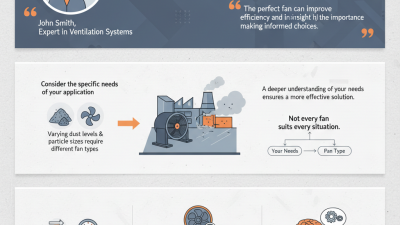
A significant trend is the demand for customizable options. Each industry has unique needs, whether it’s mining, woodworking, or food processing. Buyers should consider the specific dust types and particle sizes they will manage. Understanding these variables can improve system performance. Furthermore, the integration of smart technology is on the rise. Monitoring capabilities help in real-time adjustments and predictive maintenance.
Potential challenges include fluctuating material costs and supply chain disruptions. Some buyers may find it difficult to source high-quality components. It’s crucial to choose suppliers with a solid reputation. Evaluating options based on performance data and user reviews can help mitigate risks. While examining these factors, it's important to reflect on how market changes might affect long-term investments in dust management technologies.