Leave Your Message

China Best Kiln Centrifugal Fan How to Choose?

Choosing the best China Kiln Centrifugal Fan requires more than comparing catalog prices. A kiln fan operates beside abrasive dust, high temperatures, fluctuating pressure, and continuous production demands. Its performance directly influences combustion stability, clinker quality, energy use, and maintenance risk. The International Energy Agency reports that electric motor systems consume roughly half of global electricity, making fan efficiency a serious operating-cost issue. The IEA also identifies cement as an energy-intensive industry requiring deeper efficiency improvements.

Measure the duty point carefully.

Before selecting a supplier, confirm airflow, static pressure, gas temperature, dust concentration, altitude, operating hours, and speed-control requirements. A fan designed for 120°C gas may fail quickly near a hotter kiln outlet. Oversized impellers can waste electricity, while undersized units may create unstable draft. The U.S. Department of Energy recommends evaluating complete motor-driven systems rather than judging motor efficiency alone. This principle applies directly to kiln ventilation equipment.

China has many capable fan manufacturers, but quality is not uniform. Ask for performance curves, material certificates, dynamic-balancing records, vibration limits, bearing details, and factory-test results. Check whether testing follows recognized methods such as ISO 5801 or AMCA 210. Request references from comparable cement or lime plants. A low purchase price can look attractive. It can also hide weak sealing, poor balancing, or difficult spare-parts access. I would not pretend that one model suits every kiln. The best choice balances efficiency, temperature resistance, reliability, documentation, after-sales support, and lifecycle cost—not merely the quotation. Industry guidance is useful, but actual site measurements should lead the decision.
China Best Kiln Centrifugal Fan How to Choose?

Kiln Centrifugal Fan Basics and Key Operating Principles

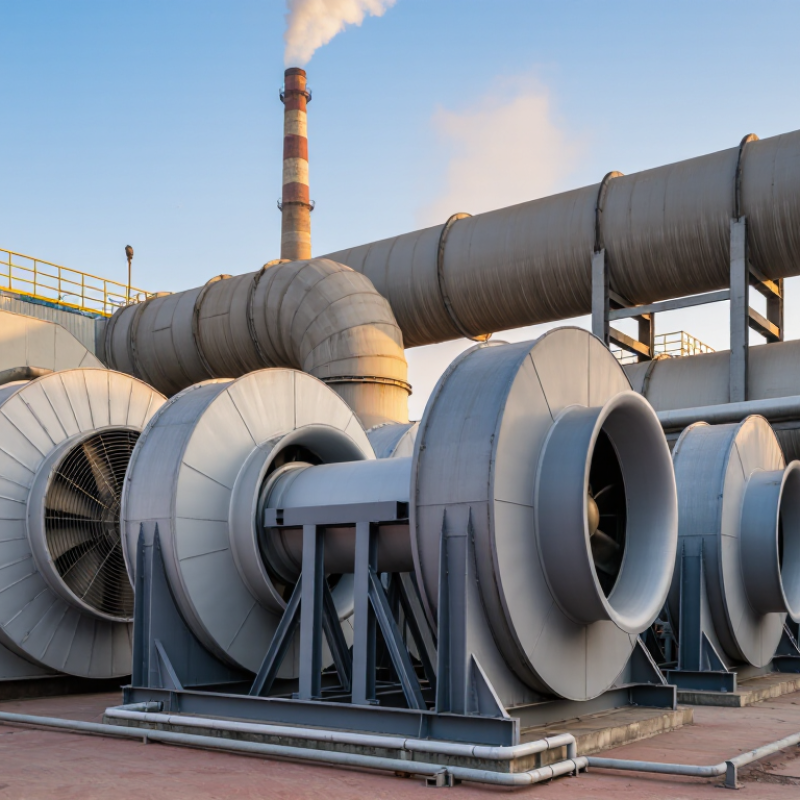
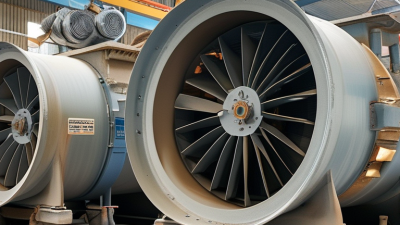
Choosing a kiln centrifugal fan starts with understanding how it works. The impeller draws hot, dusty air through the inlet. Rotating blades then push air outward by centrifugal force. This movement creates pressure for kiln exhaust, cooling, or combustion control.

In field inspections, I check airflow, static pressure, gas temperature, dust content, and operating hours. These values must match the kiln’s actual working conditions. A fan with excessive capacity may waste power and disturb kiln pressure. A weak fan may cause smoke leakage, unstable combustion, and slow material movement. Temperature determines the casing, impeller, shaft, and bearing requirements. Corrosive gases may require better surface protection. High dust levels also demand practical cleaning access.

Do not select by airflow alone. I once trusted a catalog capacity and overlooked pressure loss from a long duct. The installed fan ran loudly and delivered less air than expected. That mistake was avoidable. Check duct length, elbows, dampers, filters, and expansion joints before choosing a China kiln centrifugal fan. Direct-drive systems can simplify maintenance, while belt-drive designs may offer flexible speed adjustment. Both require correct alignment and guarding. During operation, record vibration, bearing temperature, motor current, and outlet pressure. Small changes often reveal wear early. The process is not perfectly predictable, especially when fuel and raw materials change. Leave a reasonable operating margin, but avoid oversized equipment that runs far from its efficient range.
China Best Kiln Centrifugal Fan: How to Choose?

Kiln Centrifugal Fan Basics and Key Operating Principles

How to read the chart: As airflow increases, the available static pressure of a centrifugal fan normally decreases. The shaded operating region represents a practical range in which airflow, pressure, and efficiency can be balanced for kiln exhaust or hot-air circulation applications.

Selection principle: Choose a fan based on the required airflow, system resistance, gas temperature, dust concentration, fan speed, and motor power. The operating point should remain close to the highest-efficiency region while allowing a safety margin for pressure loss caused by ducts, dampers, filters, and heat exchangers.

The plotted values are representative engineering operating points for a medium-size industrial centrifugal fan at constant speed. Actual selection must be verified against the manufacturer’s certified performance curve and the kiln system resistance calculation.

Main Types of Kiln Centrifugal Fans Available in China

China Best Kiln Centrifugal Fan: How to Choose?

Main Types of Kiln Centrifugal Fans Available in China

China’s kiln industry offers several centrifugal fan types for different process positions. Forced-draft fans push combustion air into the kiln. They usually require stable airflow and moderate pressure. Induced-draft fans remove hot gases and maintain negative kiln pressure. Their casings often need stronger sealing and heat resistance.

High-temperature fans handle hot air from preheaters, coolers, or exhaust channels. They may use air-cooled shafts, heat-resistant impellers, or external bearing housings. Dust-handling fans are designed for gas containing ash and fine particles. Their blades need wear protection, especially near raw-material grinding or clinker discharge. Backward-curved impellers commonly provide efficient operation. Forward-curved designs can offer compact airflow, but they may be less suitable for heavy dust.

Fan selection should begin with measured airflow, static pressure, gas temperature, dust concentration, and working hours. On-site readings are more useful than copying an old equipment list. Check whether the fan operates continuously or only during kiln startup. Confirm the impeller balance, shaft alignment, bearing cooling, and motor margin before ordering. A fan with excessive capacity may waste power and create unstable kiln pressure. A small fan may overheat.

The difficult part is often temperature fluctuation. Designers sometimes focus on rated temperature, then overlook sudden hot-gas peaks. I would also question vague terms such as “high efficiency” without test conditions. Ask for performance curves, material details, vibration limits, and inspection records. Needlessly strong specifications can increase cost, but weak protection can shorten service life.

How to Match Fan Capacity, Pressure, and Kiln Requirements

Choosing the best kiln centrifugal fan starts with the kiln’s real operating point, not the fan’s maximum rating. Measure required airflow in cubic meters per hour and system pressure in pascals. Include duct length, elbows, filters, dampers, and burner resistance. A fan with high capacity but insufficient pressure may still deliver weak kiln draft.

Check temperature and gas density carefully. Hot air occupies more volume, so the fan must be selected using operating-temperature conditions. Confirm the fan curve at the expected duty point, rather than comparing only free-air capacity. A small pressure margin is useful, but excessive capacity can waste power, disturb flame stability, and create uneven heating. Motor power should also cover startup and continuous operation. I have seen calculations fail because filter blockage was ignored. That mistake is common.

Tips: Measure twice. Do not guess. Record airflow, pressure, temperature, dust level, and working hours. Select materials suitable for the kiln atmosphere, and verify bearing protection near hot ducts. A variable-speed drive can improve control, but it cannot correct a fundamentally undersized fan. Recheck the system after installation with a manometer and airflow test. Real kiln conditions often differ from design drawings. That difference deserves attention.

China Best Kiln Centrifugal Fan How to Choose? - How to Match Fan Capacity, Pressure, and Kiln Requirements
Kiln Section Typical Fan Duty Design Airflow Required Static Pressure Gas Temperature at Fan Inlet Recommended Fan Arrangement Estimated Motor Rating Control Range Main Selection Checks
Drying Zone Circulation and moisture removal from green products 20,000 m³/h
5.56 m³/s
1,800 Pa
Includes duct, heat-exchanger, louver, and kiln resistance
80–120°C Single-inlet centrifugal fan with backward-curved blades;
direct drive for compact low-temperature systems
Approx. 18.5 kW
Based on 65% total efficiency and normal service margin
50–100% airflow using variable-frequency drive Confirm moisture load, recirculation ratio, leakage, and allowable air velocity across the product.
Preheating Zone Controlled hot-air circulation and uniform temperature distribution 35,000 m³/h
9.72 m³/s
2,400 Pa
Allowance for kiln channels and circulation ductwork
180–300°C Belt-driven centrifugal fan with high-temperature shaft seals;
backward-curved or airfoil impeller
Approx. 30 kW
Select motor after confirming actual gas density and efficiency
60–100% airflow using variable-frequency drive Check bearing temperature, shaft-seal design, thermal expansion, and the required minimum circulation rate.
Firing Zone Exhaust Removal of combustion products and process gases 55,000 m³/h
15.28 m³/s
2,800 Pa
Includes exhaust duct, damper, stack, and filtration resistance
250–350°C Heavy-duty centrifugal exhaust fan with backward-inclined impeller;
use a cooled bearing housing where required
Approx. 75 kW
Final rating should include fouling and operating-margin allowances
70–100% airflow; avoid prolonged operation below the fan’s stable range Verify negative kiln pressure, dust loading, corrosion risk, gas composition, and chimney draft.
Cooling Zone Rapid cooling and recovery of heated air for energy efficiency 80,000 m³/h
22.22 m³/s
3,500 Pa
Typical for long cooling passages and heat-recovery ductwork
100–220°C High-volume centrifugal fan with backward-curved blades;
separate cool-air and hot-air circuits where heat recovery is used
Approx. 132 kW
Based on approximately 70% total efficiency
50–100% airflow using variable-frequency drive Check cooling uniformity, recovered-air temperature, damper position, vibration, and maximum bearing temperature.
Kiln Pressure-Stabilizing Fan Maintaining slightly positive or negative pressure at selected kiln zones 12,000 m³/h
3.33 m³/s
1,500 Pa
Fine pressure control rather than maximum airflow
60–180°C Compact centrifugal fan with stable pressure curve;
modulating damper or variable-frequency drive
Approx. 7.5 kW
Allow additional margin for filter loading
40–100% airflow with automatic pressure feedback Use a pressure sensor near the controlled kiln zone and prevent unstable operation caused by excessive damper closure.
Dust-Loaded Exhaust Extraction of dusty air from charging, unloading, or cleaning areas 25,000 m³/h
6.94 m³/s
3,000 Pa
Includes cyclone, bag filter, duct, and hood resistance
40–150°C Wear-resistant centrifugal fan with replaceable liners;
radial or backward-curved impeller depending on particle size
Approx. 37 kW
Recheck after calculating filter pressure loss at the dirty condition
70–100% airflow; maintain the conveying velocity required by the dust system Confirm particle concentration, abrasion, dust explosibility, filter loss, access for cleaning, and fan balance.
Emergency Cooling or Purge Short-duration cooling or replacement of hot kiln atmosphere 45,000 m³/h
12.50 m³/s
2,000 Pa
Based on emergency duct and damper configuration
Up to 300°C for short periods High-temperature centrifugal fan with temperature-rated bearings and flexible connector;
install independent isolation and control devices
Approx. 45 kW
Select based on the emergency duty cycle and maximum gas temperature
30–100% airflow; interlock with kiln temperature and safety system Define emergency duration, fan restart requirements, hot-gas exposure, electrical protection, and fail-safe damper position.
Selection principle: Choose the fan at the intersection of the required airflow and static-pressure operating point, then verify gas temperature, density, dust content, corrosion, noise, speed, efficiency, and motor margin. Fan capacity should normally include approximately 5–10% airflow allowance and 10–15% pressure allowance only when justified by the system design; excessive oversizing can increase energy consumption and make kiln pressure control unstable.

Power reference: Estimated shaft power can be approximated by P = Q × ΔP ÷ η, where Q is airflow in m³/s, ΔP is fan pressure in Pa, and η is total fan efficiency. Final motor selection must use the actual operating-gas density, fan curve, transmission efficiency, altitude, starting method, and applicable safety requirements.

Essential Materials and Heat Resistance for Kiln Applications

China Best Kiln Centrifugal Fan: How to Choose?

A kiln fan faces heat, dust, vibration, and corrosive gases every day. Material selection must match the actual exhaust temperature, not a catalog estimate. Carbon steel works for moderate temperatures and dry gases. Stainless steel is safer when moisture or acidic compounds may appear. For hotter zones, heat-resistant alloys and refractory-lined casings offer better protection. The correct choice depends on exposure time.

The impeller deserves special attention. High-temperature steel can resist deformation, while balanced blades reduce vibration during continuous operation. A stainless steel shaft may improve corrosion resistance, but its strength must remain suitable at operating temperature. Bearings should stay outside the hot gas path whenever possible. Cooling plates, extended shafts, and proper seals can protect them. Small details matter.

From practical inspections, I have seen fans fail because the gas temperature was measured before the kiln changed fuel or loading conditions. A temperature chart alone is not enough. Measure startup, normal, and upset temperatures. Check dust size, gas chemistry, and pressure demand. Thermal expansion also needs room; rigid installation can distort the casing. Engineers sometimes focus too much on maximum heat resistance and overlook corrosion or maintenance access. That mistake is easy to repeat. Verify the materials, welding quality, balance grade, and test records before purchasing.

How to Evaluate Chinese Manufacturers, Quality, and Service

China Best Kiln Centrifugal Fan: How to Choose?

Choosing a Chinese kiln centrifugal fan requires more than comparing prices. Ask manufacturers for verified airflow, pressure, efficiency, noise, and temperature data. The U.S. Department of Energy’s fan-system guide notes that fans can consume 10% to 20% of industrial electricity in many facilities. Small efficiency losses can become expensive during continuous kiln operation. Request performance curves tested under ISO 5801 or AMCA 210 methods. Check whether the test conditions match your kiln’s actual temperature, dust load, and pressure.

Tips: Inspect the impeller balance certificate, material grade, bearing arrangement, and welding quality. Ask for vibration limits and a trial-run video. A factory visit can reveal uneven paint, loose wiring, or poor storage practices. These details matter.

Service quality separates a capable manufacturer from a low-cost supplier. Evaluate response times, commissioning support, spare-part availability, and warranty conditions. The IEA’s Energy Efficiency 2023 report identifies industry as responsible for about 37% of global final energy consumption in 2022. Efficient equipment supports both operating costs and energy targets. However, efficiency claims deserve careful review. Some suppliers publish peak efficiency, not the working-point efficiency. I have seen specifications look excellent on paper but perform poorly after installation. Request references from similar kiln projects, documented factory acceptance tests, and clear service contacts. A reliable supplier explains limitations, not only advantages.