Why Choose a Kiln Centrifugal Fan for Your Industrial Needs?
In the industrial sector, efficiency and reliability are paramount. The choice of equipment, like a Kiln Centrifugal Fan, can make a significant difference. Recent studies indicate that proper ventilation systems can improve operational efficiency by up to 30%. This highlights the importance of selecting the right type of fan for high-temperature environments.
Dr. Emily Thompson, a leading expert in industrial ventilation systems, stated, "A Kiln Centrifugal Fan is vital for maintaining optimal airflow in kiln operations." Her insights reinforce the critical role that these fans play. They not only facilitate the removal of hot gases but also improve fuel efficiency and product quality.
Understanding the operational requirements and environmental conditions for kiln processes is crucial. Many businesses overlook these details, leading to inefficiencies. Selecting a Kiln Centrifugal Fan could be the key to optimizing production and reducing energy costs. Enhancing reliability while adhering to safety standards is a complex yet important task in this field.
Understanding the Basics of Kiln Centrifugal Fans in Industry
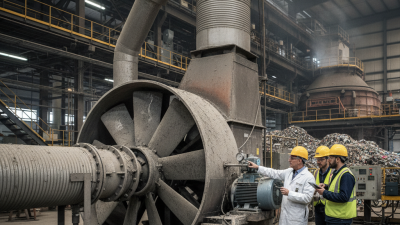
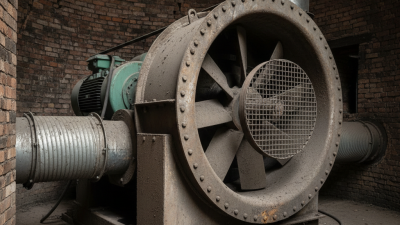
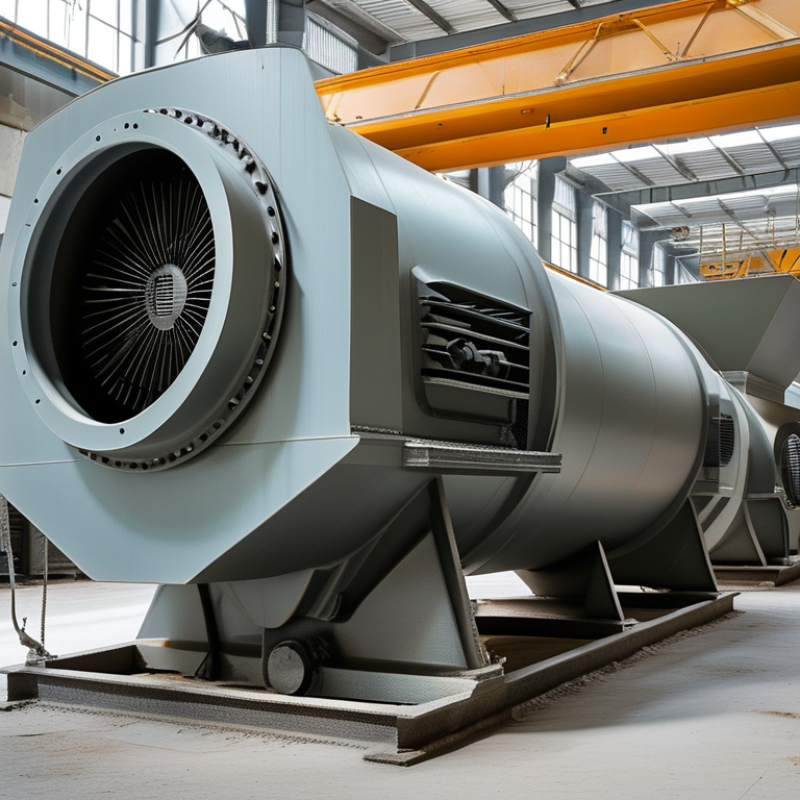
Kiln centrifugal fans play a crucial role in various industrial applications. They are designed to handle high temperatures and maintain effective airflow in kilns. These fans are essential for processes like drying, heating, and cooling. Their robust construction allows them to operate efficiently in harsh environments.
Choosing a kiln centrifugal fan means understanding its components. The fan blades are engineered to optimize airflow. Many fans include adjustable speed drives, allowing for flexible operation. However, improper installation can lead to inefficiency. Regular maintenance is also necessary to avoid potential issues. These fans must be cleaned regularly to prevent dust buildup.
While kiln centrifugal fans are reliable, challenges remain. Over time, wear and tear can impact performance. Monitoring performance metrics is vital to maintain efficiency. Industrial operators must be prepared to troubleshoot issues as they arise. With adequate knowledge and attention, the benefits of these fans can be fully realized.
Why Choose a Kiln Centrifugal Fan for Your Industrial Needs?
| Feature |
Description |
Benefits |
| High Efficiency |
Designed to maximize airflow with minimal energy consumption. |
Reduced operating costs and increased productivity. |
| Durability |
Built with robust materials to withstand harsh industrial environments. |
Longer lifespan and lower maintenance frequency. |
| Versatility |
Can be used in various applications such as drying, cooling, and material handling. |
Multi-purpose solutions that reduce the need for multiple fan systems. |
| Adjustable Speed |
Equipped with variable speed drives for optimized performance. |
Increased flexibility and energy savings based on specific operational needs. |
| Noise Reduction |
Designed to minimize noise levels while maintaining performance. |
Improved work environment and operator comfort. |
Key Benefits of Using Kiln Centrifugal Fans for Industrial Applications
Kiln centrifugal fans are essential for various industrial applications, offering unmatched efficiency and reliability. These fans are specially designed to operate in high-temperature environments, making them ideal for use in kilns and dryers. According to the American Society of Mechanical Engineers, the ability of kiln fans to handle gases up to 800°F significantly improves operational efficiency.
A major benefit of kiln centrifugal fans is their superior airflow management. They ensure consistent ventilation and maintain optimal temperature conditions, critical for product quality. The use of these fans can increase productivity by up to 25% in ceramic manufacturing. Their robust design withstands abrasive particles, reducing maintenance downtime, which is crucial in a competitive industrial landscape.
Tip: Regular maintenance checks can prevent unexpected failures. Inspect fan blades and housing for any wear or damage.
These fans also contribute to energy savings. Reports show that industries utilizing efficient kiln centrifugal fans can reduce energy consumption by 15-30%, depending on the application. They are sustainable choices that lower operational costs. However, the initial investment can be significant. Evaluating long-term savings versus upfront costs is vital.
Tip: Consider a lifecycle cost analysis to optimize your investment in kiln fans. Ensure your choice resonates with your operational needs.
Factors to Consider When Choosing a Kiln Centrifugal Fan
When selecting a kiln centrifugal fan, several crucial factors must be considered. Efficiency plays a significant role, as fans that provide high airflow rates can reduce energy costs significantly. In a recent report by the Industrial Fan and Blower Association, energy-efficient fans can lower energy consumption by up to 30%, making them ideal for continuous operations.
Durability is another vital aspect. Kiln environments are often harsh, characterized by extreme temperatures and dust. Choosing a fan made from corrosion-resistant materials can enhance longevity. Studies indicate that fans designed for sector-specific conditions can last 20-30% longer than standard options. This reliability can save industries considerable money in replacement and maintenance costs.
Moreover, noise levels should not be underestimated. High decibel levels can lead to unhealthy working conditions. A report from the Occupational Safety and Health Administration (OSHA) suggests that prolonged exposure to noisy environments can cause hearing loss. Therefore, selecting fans with sound-dampening features can greatly improve the workplace atmosphere. Balancing these factors ensures that the selected kiln centrifugal fan meets both operational needs and safety standards.
Why Choose a Kiln Centrifugal Fan for Your Industrial Needs?
Performance Metrics for Evaluating Kiln Centrifugal Fans
When selecting kiln centrifugal fans, performance metrics play a crucial role in operational efficiency. Key indicators, such as airflow rate and pressure rise, help assess a fan's ability to meet industrial demands. For instance, a typical kiln centrifugal fan can achieve airflow rates between 25,000 to 60,000 CFM. This capacity is essential for ensuring optimal combustion processes and reducing emissions.
Efficiency ratings also matter. A fan with a high total efficiency, often exceeding 85%, can significantly lower operational costs. Studies suggest that improving fan efficiency by just a few percentage points can yield substantial energy savings, sometimes reaching up to 20%.
Tip: Always evaluate the noise levels of your chosen fan. Excessive noise can indicate inefficiencies and may lead to costly downtimes.
Monitoring vibration levels is another critical metric. High vibrations can lead to premature wear or failure. Ideally, fans should operate with vibration levels below 0.5 inches per second. Regular monitoring can enhance fan longevity and reliability.
Tip: Conduct periodic assessments of your fan system. Adjustments made over time can align with evolving operational needs. Evaluating performance regularly can also highlight areas for improvement and ensure optimal functionality.
Common Applications of Kiln Centrifugal Fans in Various Industries
Kiln centrifugal fans are essential in various industries for effective airflow management. In cement production, they facilitate the drying process of raw materials. An industry report noted that these fans can enhance energy efficiency by up to 30%. This improvement lowers overall production costs, making them a favorable choice for cement manufacturers.
In the ceramics industry, kiln centrifugal fans play a crucial role in ventilation and temperature control. They help maintain optimal conditions for firing processes. This ensures uniform heating, which is vital for product quality. Studies indicate that consistent airflow can reduce defects by up to 20%. Such reliability makes these fans indispensable in manufacturing high-quality ceramic products.
The food processing sector also benefits from kiln centrifugal fans. They aid in drying fruits and vegetables, ensuring that moisture levels remain consistent. A well-dried product not only has a longer shelf life but also retains nutritional value. An analysis found that fans used in drying applications can reduce spoilage rates by 15-25%. This is critical for manufacturers aiming to meet both safety standards and consumer expectations.