7 Tips for Choosing the Right Scavenging Pump
Selecting the right Scavenging Pump is not a simple matter of comparing flow rates and purchase prices. The word “right” depends on the process.
Vacuum depth, gas composition, liquid carryover, temperature, duty cycle, and maintenance access all influence performance. A pump handling clean laboratory air faces different risks from one removing oil mist, condensate, or corrosive process gas. Small mismatches can create unstable vacuum, frequent shutdowns, or expensive seal damage.
Market evidence shows why this choice deserves closer attention. MarketsandMarkets estimates that the global vacuum pumps market will grow from about USD 6.2 billion in 2024 to USD 8.7 billion by 2029. Its analysis highlights rising demand from semiconductor, chemical, pharmaceutical, and industrial manufacturing applications. Grand View Research also reports continued growth in vacuum equipment, driven by automation and process quality requirements. These reports indicate a larger trend: pumping systems are becoming more integrated, monitored, and energy-conscious.
Energy use matters too. The U.S. Department of Energy identifies compressed-air and vacuum systems as major industrial energy users, especially when leaks, oversized equipment, or poor controls remain unnoticed. A larger pump is not automatically better. Sometimes, it only wastes power.
Real-world selection requires more than a catalog number. Operators should examine inlet pressure, target flow, contamination levels, noise, service intervals, and total ownership cost. Manufacturer curves are useful, but field conditions can differ. That gap deserves attention.
The following seven tips provide a practical framework for comparing pump technologies, reviewing specifications, and avoiding costly assumptions before installation. No checklist replaces engineering judgment, but a disciplined review can expose weak choices early.
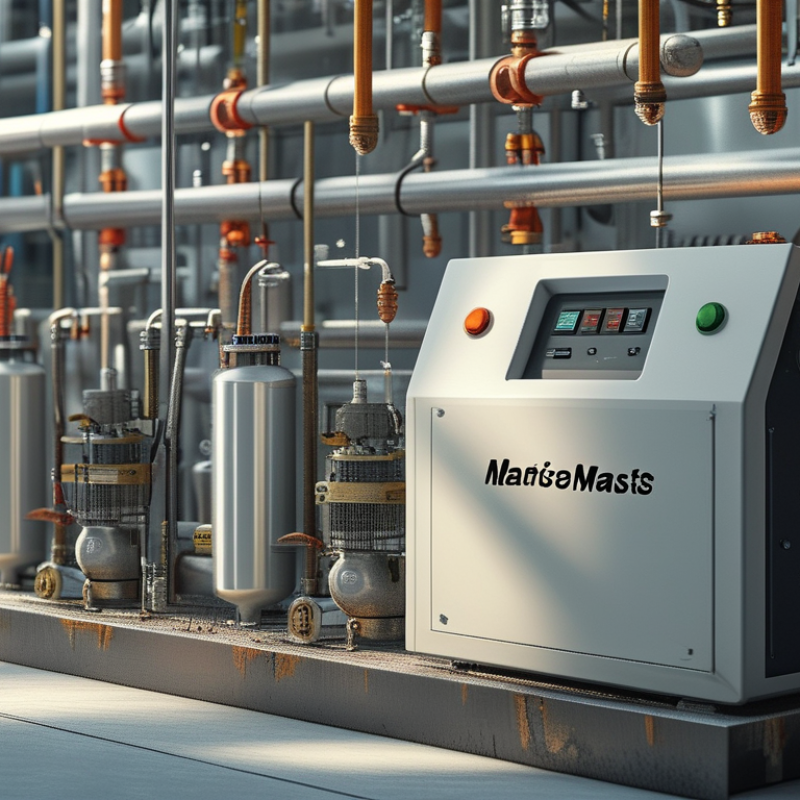
Define the Scavenging Pump’s Purpose and Operating Conditions
A scavenging pump should be selected according to its actual duty, not its catalog label. Define its job before comparing specifications. Is it returning lubricating oil, draining a sump, or removing an oil-air mixture? These duties are not interchangeable. In a dry-sump system, the pump may need to move aerated oil quickly while keeping the reservoir nearly empty. That purpose sets the required flow, inlet pressure, and acceptable gas content.
Record the operating conditions at their worst, not only during normal operation. Measure fluid viscosity, temperature, pressure, flow rate, and expected duty cycle. Check whether the fluid contains foam, particles, or condensed moisture. A hot, thin fluid can behave very differently from cold oil during startup. Inlet piping also matters. Long pipes, sharp bends, and small passages can increase losses and encourage cavitation.
I have seen pump selections fail because the average flow looked acceptable. Peak flow was the real problem. Leave practical margin, but avoid excessive oversizing. An oversized pump may pull harder than the system can supply, especially when the sump level falls. Review seal materials, housing compatibility, rotation speed, and maintenance access with the equipment engineer. Laboratory data helps, but field conditions are usually less tidy. The first calculation may be wrong. Test the assumptions before finalizing the pump.
Match Pump Capacity and Pressure to System Requirements
7 Tips for Choosing the Right Scavenging Pump
Match Pump Capacity and Pressure to System Requirements
A scavenging pump should remove fluid at the rate your system produces it. Capacity that is too low allows pooling, heat, and unstable operation. Capacity that is too high may waste power or pull air into the line. Measure real flow during startup, normal running, and shutdown. Do not rely only on catalog estimates. Conditions change.
Tip 1:
Record the highest expected flow, not just the average.
Tip 2:
Add a sensible margin after reviewing operating data with a qualified engineer.
Pressure requirements deserve equal attention. The pump must overcome static lift, pipe friction, valves, filters, and discharge restrictions. A high-flow pump may fail when the discharge line is narrow or unusually long. Check pressure at the pump inlet and outlet. A gauge near the connection gives better evidence than a distant reading. Keep inlet pressure within the stated operating range.
Tip 3:
Map every pressure loss.
Tip 4:
Confirm whether service is continuous or intermittent.
A brief test can mislead. I have seen systems perform well for minutes, then lose scavenging capacity as filters loaded.
Select materials and controls based on fluid temperature, viscosity, and possible solids. Use alarms for low flow, high temperature, or blocked discharge.
Tip 5:
Verify noise, maintenance access, and seal compatibility before installation.
Tip 6:
Compare performance at your actual duty point, not the maximum rating.
Tip 7:
Document assumptions and revisit them after commissioning.
The first selection is rarely perfect. Real measurements should be allowed to change it.
Evaluate Pump Type, Materials, and Fluid Compatibility
7 Tips for Choosing the Right Scavenging Pump
Evaluate Pump Type, Materials, and Fluid Compatibility
Choosing a scavenging pump starts with the fluid, not the pump catalog. Record viscosity, temperature, vapor pressure, solids, and required flow rate. Thin liquids may suit diaphragm or peristaltic designs, while thicker fluids often need stronger positive-displacement action. Intermittent service also changes the decision.
Check every wetted material against the fluid’s safety data and compatibility information. Do not rely on fluid names alone. Concentration, heat, and exposure time can change corrosion behavior. Stainless steel may perform well in one process, while an engineered polymer may last longer elsewhere. Seals matter too. A compatible housing cannot compensate for a degraded seal.
Look at suction lift, discharge pressure, and dry-running tolerance. A pump that meets flow requirements on paper may struggle with long hoses, narrow fittings, or trapped air. Small details matter. Inspect the inlet after installation, not only during testing. Field technicians often find unexpected restrictions there.
Use real operating conditions when possible. Test a fluid sample at its highest expected temperature and viscosity. Keep records of flow, noise, vibration, and seal condition. Even careful selection can miss a changing process. Review the choice after several maintenance cycles, especially when the fluid formula, temperature, or cleaning method changes.
Check Installation, Maintenance, Noise, and Energy Needs
7 Tips for Choosing the Right Scavenging Pump
Check Installation, Maintenance, Noise, and Energy Needs
A scavenging pump should match the equipment, pipe layout, and working environment. Tip 1: Check the inlet and outlet sizes before ordering. Misaligned connections create leaks and extra vibration. Tip 2: Measure the distance, height, and number of bends in the pipework. A short test on paper can prevent costly installation changes. Tip 3: Leave enough space around the pump for inspection and safe access. Crowded installations make simple repairs surprisingly difficult.
Tip 4: Ask how often filters, seals, and moving parts require attention. Maintenance intervals should fit your staff, schedule, and operating hours. Tip 5: Listen to the pump during a trial run. A harsh hum, rattling sound, or sudden pitch change may indicate poor mounting. Quiet operation matters in workshops, laboratories, and occupied facilities. Rubber feet and flexible connectors can reduce transmitted noise.
Tip 6: Compare power consumption under actual operating conditions, not only the maximum rating. A pump that runs continuously can raise energy costs quickly. Tip 7: Confirm that the pump handles the expected fluid, temperature, and flow range. I once saw an oversized unit waste energy while producing little practical benefit. Bigger is not always better. Installation guides are useful, but site conditions can expose gaps in the plan. Record noise, power use, and service findings during the first weeks. Those imperfect observations often reveal more than a specification sheet.
Compare Reliability, Safety Features, Cost, and Supplier Support
7 Tips for Choosing the Right Scavenging Pump
A reliable scavenging pump should match your actual duty cycle, not an ideal laboratory test. Check continuous operating hours, flow stability, pressure limits, and seal life. Ask for test data under similar temperatures and fluid conditions. Inspect the housing, fittings, and service access before purchase. Small maintenance details matter. A pump that is difficult to clean can lose reliability quickly. Confirm protection against dry running, overheating, overpressure, and unexpected shutdowns. Grounding and suitable electrical protection also deserve careful review, especially in wet work areas.
Compare the total cost, not only the invoice price. Energy use, replacement seals, downtime, installation, and technician hours can change the calculation. A cheaper pump may become expensive after repeated repairs. Request a clear warranty and realistic delivery times for spare parts. Supplier support is often the difference between a short delay and a halted process. Evaluate response times, technical documentation, commissioning help, and training availability. Ask whether the supplier can recommend compatible materials for your fluids. Do not rely on vague claims.
No checklist is perfect. Site conditions can expose hidden assumptions. Before deciding, speak with operators who will clean, monitor, and repair the pump. Their practical feedback may challenge the original specification. If possible, run a controlled trial with measured noise, temperature, flow, and power consumption. Record the results. Then compare reliability, safety, cost, and support using the same criteria for every option.
7 Tips for Choosing the Right Scavenging Pump
This technical screening model assigns a relative decision weight to seven practical criteria. Application compatibility, reliability, safety, flow capacity, vacuum performance, lifecycle cost, and supplier support should be reviewed together before selecting a scavenging pump.