How to Choose the Right Oxidation Blower for Your Needs?
Choosing the right Oxidation Blower is crucial for optimizing industrial processes. With the global demand for efficient wastewater treatment rising, the need for properly selected blowers increases. According to a recent report from the Environmental Protection Agency, 60% of energy costs in wastewater facilities stem from aeration processes. This underlines the importance of selecting an appropriate oxidation blower for operational efficiency.
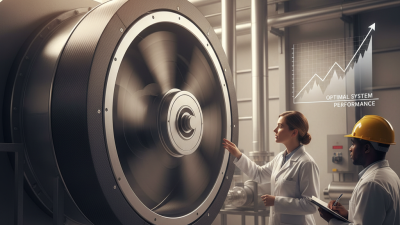
Dr. Emily Carter, a leading expert in the field, states, "The choice of an oxidation blower significantly impacts overall system performance." This highlights the responsibility of engineers to ensure they make informed decisions. Factors like airflow capacity, pressure requirements, and energy efficiency come into play. Selecting a blower that fits specific requirements can lead to measurable cost reductions and improved performance.
However, some may overlook critical aspects during selection. Misjudging the required flow rate or energy usage can lead to inefficiencies. It's important to take time to analyze specific needs thoroughly. Ultimately, an informed choice will lead to significant advantages in both cost and operational efficiency.

Understanding the Basics of Oxidation Blowers and Their Applications
Oxidation blowers play a crucial role in various industrial applications, including wastewater treatment, chemical processing, and aquaculture. They supply oxygen, facilitating aerobic processes. According to the Environmental Protection Agency, efficient oxygen supply can enhance biological activity by up to 50% in wastewater treatment facilities. This highlights the importance of selecting the right blower for optimal performance.
Understanding the specifics of oxidation blowers is essential. They come in different types, such as positive displacement and centrifugal blowers. Positive displacement blowers provide a constant flow, making them suitable for applications where stable oxygen levels are critical. However, they can be less energy-efficient compared to centrifugal blowers, which vary flow based on system requirements. A 2022 industry report showed that energy efficiency in blowers can affect operational costs significantly, sometimes by as much as 30%.
Proper sizing and airflow measurement are vital when choosing an oxidation blower. Oversized blowers can lead to unnecessary energy use, while undersized options may fail to meet oxygen demands. Inadequate oxygen levels can impair biological processes and slow down production, resulting in costly delays and inefficiencies. Regular maintenance is also necessary, as a well-maintained blower can enhance longevity and reliability. Investing in the right equipment pays off, yet many organizations still overlook proper assessments, leading to challenges in operations.
Evaluating Your Operational Requirements for Oxidation Blowers
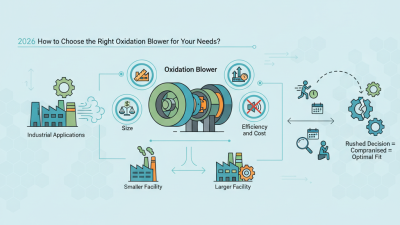
When evaluating your operational requirements for oxidation blowers, several key factors come into play. Understand your process needs. Blowers can serve different applications, from wastewater treatment to chemical processing. The right selection directly influences efficiency and cost-effectiveness. According to industry reports, inefficiencies in blower systems can increase operational costs by up to 30%. Focus on what suits your facility best.
Consider airflow requirements. This often involves determining the necessary cubic feet per minute (CFM) your system must handle. For example, a wastewater treatment facility may need blowers with a CFM rate of 1000 to 5000, depending on the scale of operations. Incorrect sizing can lead to ineffective aeration or energy waste. Seek a deeper understanding of how your requirements align with various blower performance metrics.
Tip: Always assess the noise levels of the blowers. Overly loud equipment can lead to uncomfortable workplace conditions and necessitate added soundproofing measures. Additionally, account for future scalability. As production needs change, ensure that your blower can adapt without complete replacement. This not only saves costs but also reduces downtime as operations grow.
How to Choose the Right Oxidation Blower for Your Needs?
| Criteria |
Consideration |
Example Values |
| Airflow Requirements |
Determine the volume of air needed for effective oxidation |
500 - 2000 CFM |
| Pressure Rating |
Identify the pressure required for the application |
5 - 15 PSI |
| Temperature Conditions |
Consider the operational temperature range |
Up to 120°F |
| Noise Levels |
Assess permissible noise levels in your facility |
60 - 80 dB |
| Energy Efficiency |
Evaluate the blower's energy consumption |
1 - 3 kW |
| Maintenance Needs |
Look into the frequency and type of maintenance required |
Quarterly inspections |
| Material Compatibility |
Check if the materials are compatible with the gases being handled |
Corrosion-resistant materials |
Key Features to Consider When Selecting an Oxidation Blower
Choosing the right oxidation blower is critical for efficient industrial processes. When selecting one, consider various key features that align with your operational needs.
One essential feature is flow rate. Most oxidation blowers operate within specific flow ranges. For example, the optimal flow rate for wastewater treatment applications typically falls between 3,000 to 6,000 cubic feet per minute (CFM). This measure directly impacts the efficiency of the oxidation process. Additionally, the blower's pressure capabilities should match your system's requirements. Blowers often operate at pressures between 1 to 2 psi. Understanding your system's demands is vital for choosing an appropriate model.
Another factor to consider is energy efficiency. Industry reports indicate that energy costs could account for up to 70% of the total operating costs of oxidation systems. Selecting an energy-efficient blower helps reduce long-term expenses. Moreover, noise levels are increasingly important. Ensuring your blower meets local regulations for noise control can save unexpected costs.
Tips: Always consult with a professional before making a purchase. Gather data on energy costs and maintenance requirements for the models you are considering. Test the blower in your environment if possible. An informed choice enhances operational reliability and efficiency, reducing the risk of costly downtime.
Oxidation Blower Selection: Key Features Comparison
Assessing the Efficiency and Performance Metrics of Blowers
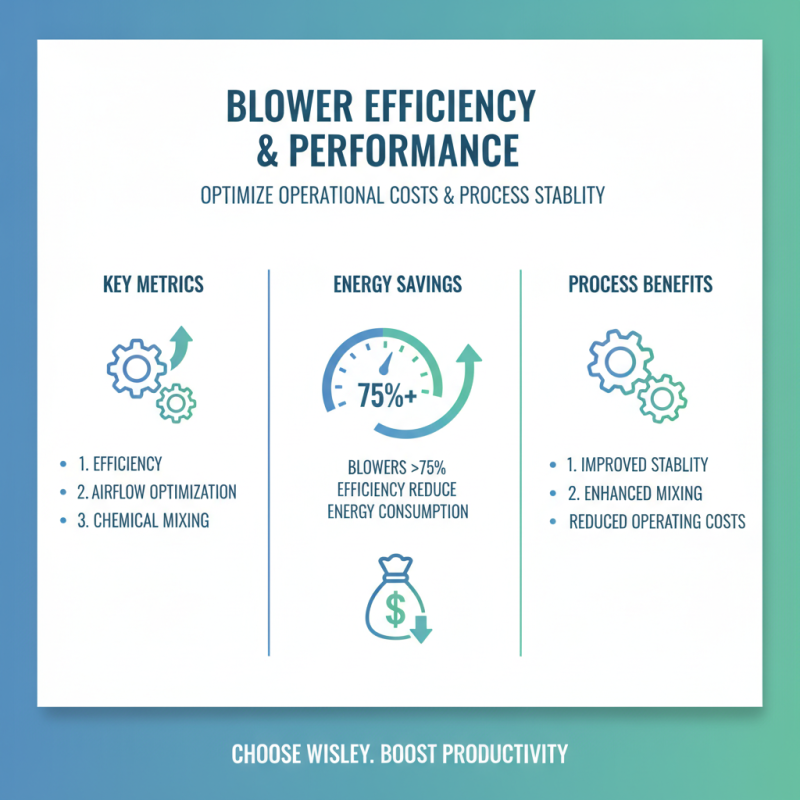
When selecting an oxidation blower, performance metrics are crucial. Efficiency directly affects operational costs. According to industry reports, blowers with an efficiency rating of 75% or higher can significantly reduce energy consumption. The right blower can optimize air flow, improve chemical mixing, and enhance overall process stability.
Different applications demand unique performance characteristics. For example, a blower designed for waste treatment might need a specific pressure range. Low-pressure blowers are efficient for aeration systems. Meanwhile, high-pressure models are essential for oxidation processes requiring robust airflow. Finding the right balance is essential for maximizing efficiency.
Tip: Always analyze the Specific Power Consumption (SPC) of potential blowers. This metric provides insights into energy use per airflow unit. Additionally, consider noise levels. Excessive noise may indicate inefficient operation. Finally, regularly assess and recalibrate blowers. Ignoring performance changes could lead to unexpected downtimes or inefficiencies in operations.
Budgeting and Maintenance Considerations for Oxidation Blowers
When selecting an oxidation blower, budgeting is crucial. These blowers vary widely in price, depending on their specifications and features. Consider the initial cost along with operational efficiency. High-performance models can reduce energy consumption, leading to savings over time. It's essential to evaluate the total lifetime cost, not just the purchase price.
Maintenance also plays a significant role in the long-term performance of oxidation blowers. Regular checks can help prevent unexpected breakdowns. A well-maintained blower operates more efficiently, extending its lifespan. Maintenance costs can accumulate, so plan accordingly. Utilizing a maintenance schedule can mitigate larger expenses down the line.
However, maintenance practices may require some trial and error. Not every approach works right away for every blower type. Keep thorough records of repairs and performance issues. This can aid in refining your maintenance strategy over time. Balancing initial investment with ongoing upkeep is key to optimizing your oxidation blower's functionality.