Top 5 Tips for Choosing the Right Coal Gas Blower?
Choosing the right Coal Gas Blower is crucial for many industries. Efficient blowers can significantly enhance operational capacity. According to industry reports, nearly 40% of energy costs can be influenced by the right equipment choice. This highlights the need for strategic decisions.
Understanding the specifics of a Coal Gas Blower can be overwhelming. Several factors, such as pressure requirements and flow rate, affect performance. An inappropriate selection may lead to operational inefficiencies. In fact, studies show that around 30% of companies experience reduced efficiency due to poor equipment choices.
Evaluating blower types and technologies is vital for optimal performance. Industry standards evolve rapidly, making continuous education essential. Seek expert opinions and consult reliable sources to avoid common pitfalls. Many organizations overlook maintenance needs, which can impact longevity. Thus, careful consideration is paramount in selecting the best Coal Gas Blower for specific applications.
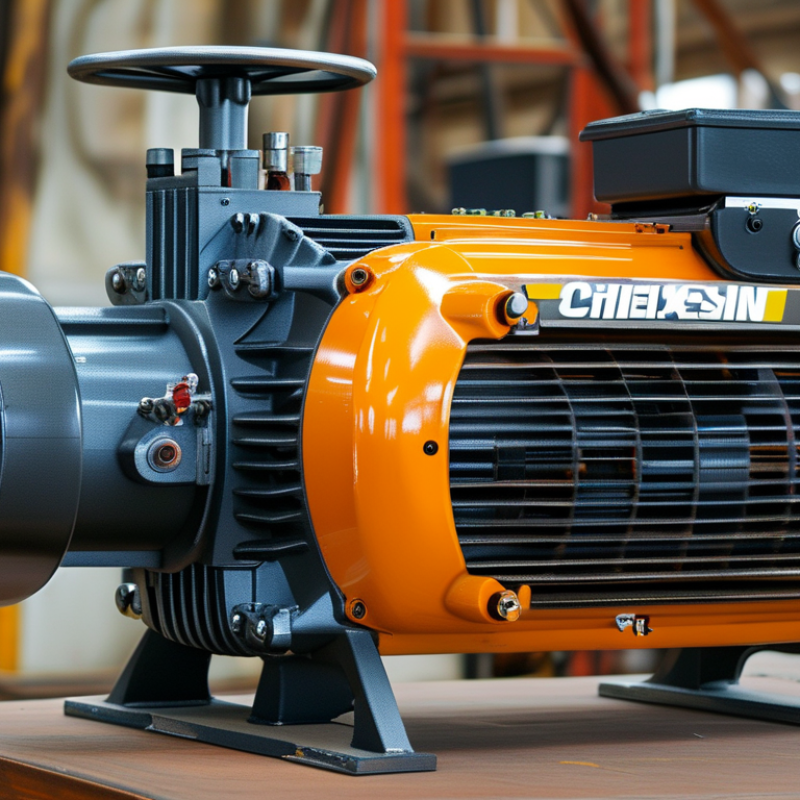
Understanding the Importance of Selecting the Right Coal Gas Blower
Selecting the right coal gas blower is crucial for efficient operation in coal gas applications. A well-chosen blower improves air flow, enhances combustion, and ultimately boosts energy output. Each application demands different airflow rates and pressure levels. This variability means that understanding your specific needs is essential.
When evaluating blowers, consider factors like capacity and efficiency. A blower that does not meet your capacity needs can lead to underperformance. It's common to overlook compatibility with existing systems. This oversight can impact the performance drastically. Seeking expert advice may help avoid potential pitfalls during selection.
Further, the material and construction quality of the blower matter significantly. High temperatures and corrosive environments are common in coal gas applications. Choosing a blower made from durable materials can prolong equipment life. Experience has shown that inappropriate selections can lead to increased maintenance costs. It's essential to reflect on your long-term operational goals when making a decision.
Top 5 Tips for Choosing the Right Coal Gas Blower
| Tip Number |
Tip Description |
Considerations |
Importance |
| 1 |
Determine the Required Airflow |
Calculate the necessary CFM based on your application. |
Ensures efficient operation and optimal performance. |
| 2 |
Assess the System Compatibility |
Check compatibility with existing systems and equipment. |
Prevents system failures and enhances longevity. |
| 3 |
Evaluate Noise Levels |
Look for blowers with low operational noise ratings. |
Improves workplace comfort and safety. |
| 4 |
Consider Energy Efficiency |
Select blowers with high efficiency ratings to reduce costs. |
Saves energy and reduces operational costs. |
| 5 |
Check Maintenance Requirements |
Inquire about maintenance schedules and parts availability. |
Ensures long-term reliability and performance consistency. |
Key Specifications to Consider When Choosing a Coal Gas Blower
When selecting a coal gas blower, several key specifications should guide your decision. One of the most critical factors is the blower's airflow capacity, measured in cubic feet per minute (CFM). According to industry reports, a quality coal gas blower typically ranges from 500 to 5,000 CFM, depending on the application. Higher CFM ratings are essential for larger systems that require more air for efficient combustion.
Another important specification is the blower's pressure rating, often indicated in inches of water column. A reliable coal gas blower should provide sufficient static pressure to overcome system resistance. Data shows that a standard pressure range lies between 5 to 15 inches. Too low a pressure may lead to incomplete combustion, resulting in wasted fuel and increased emissions.
Material construction is also vital for durability and efficiency. Advanced materials like stainless steel or high-grade aluminum resist corrosion and withstand high temperatures, enhancing longevity. Be cautious, as some blowers may not withstand harsh conditions, leading to premature failure.
Consider also the blower's noise levels. According to research, a quieter operation typically ranges below 70 decibels. A noisier blower can disrupt work environments and degrade overall user experience.
Choose wisely. Investing in a proper coal gas blower is crucial. Taking these specifications into account will guide you to make a well-informed decision.
Evaluating Performance Metrics for Optimal Efficiency
When selecting a coal gas blower, performance metrics play a crucial role in ensuring optimal efficiency. It's essential to consider factors such as airflow rate, pressure capability, and power consumption. Airflow rate indicates how much coal gas can be moved. A higher airflow rate often correlates with better efficiency in gas delivery systems.
Pressure capability is another critical metric. It determines how effectively the blower creates and maintains the necessary pressure needed for operations. An insufficient pressure rating may lead to subpar performance, manifesting as increased energy costs. Additionally, monitor power consumption. A blower that consumes excessive power for its output is not a viable option for a long-term setup.
Efficiency can vary widely among different models. Evaluating user reviews and performance tests can provide valuable insights. Yet, data may not always tell the whole story. Some blowers note impressive specifications but fail under real-world stress. Investigating real-world scenarios where similar equipment has been deployed can uncover hidden inefficiencies. Always reflect on your operational needs and capabilities. It’s important to align these with the blower’s specifications to make an informed choice.
Assessing Maintenance Needs and Durability of Coal Gas Blowers
When selecting a coal gas blower, assessing its maintenance needs and durability is crucial. Many operators are often unaware that routine upkeep can significantly impact blower performance. According to a report by the American Society of Mechanical Engineers, improper maintenance can reduce equipment lifespan by up to 50%. Choosing a blower with easily accessible components for maintenance will save time and money in the long run.
Durability is another critical factor. Industry data indicates that blowers specifically designed for high-temperature applications last longer due to the selection of robust materials. Steel casings or heat-resistant alloys can withstand extreme conditions. Consider consulting durability ratings for various models, as some blowers may require replacement every five years if not carefully chosen. The consequences of overlooking these details could mean increased downtime and unexpected repair costs.
Operators should also reflect on their operating environment. Blowers in harsh conditions may require more frequent maintenance checks. This is a reality many operators face but often neglect. Balancing performance needs with maintenance capabilities leads to better efficiency. Investing time to evaluate these aspects can yield significant benefits for operation longevity and cost-effectiveness.
Comparing Costs and Brands for Budget-Friendly Options
Choosing the right coal gas blower involves understanding your budget and brand options. According to industry reports, prices can vary significantly. For instance, basic models may start at around $300, while high-end versions could exceed $1,500. This wide range highlights the need for careful comparison.
When evaluating brands, factor in not only price but also efficiency and maintenance costs. A blower with a higher upfront cost may offer better durability and lower long-term expenses. Research indicates that effective maintenance can improve lifespan by up to 30%. It’s essential to weigh these factors against initial costs.
Many users overlook energy consumption. A blower that consumes less power can lead to significant savings over time. In fact, the U.S. Department of Energy suggests that choosing energy-efficient equipment can result in up to 20% savings on utility bills. Keep in mind that a cheaper blower may end up costing more through increased energy usage. Balancing these aspects is vital for a smart financial decision.
Top 5 Tips for Choosing the Right Coal Gas Blower
This chart highlights the key considerations when comparing costs associated with different coal gas blower options. The data represents average costs (in USD) for various features that impact the selection of an appropriate blower, helping potential buyers make informed decisions.