Leave Your Message

China Top 10 Oxidation Blower Suppliers for Global Buyers

Selecting a reliable Oxidation Blower supplier requires more than comparing prices or browsing polished product pages.

Global buyers need evidence from operating conditions, factory testing, and after-sales performance. An Oxidation Blower must deliver stable air volume, suitable pressure, and efficient operation. Small differences matter. A noisy machine can signal poor balancing or inadequate installation. Excessive heat may reveal ventilation problems, lubrication issues, or an unsuitable duty cycle.

Dr. Bruce E. Rittmann, a leading environmental biotechnology researcher, states, “Biology is the engine of wastewater treatment.” His observation explains why blower selection deserves careful engineering. Aeration equipment supports the microorganisms that remove pollutants. If airflow fluctuates, treatment performance can decline. Energy costs can also rise quietly over time.

This guide introduces China’s top 10 Oxidation Blower suppliers for global buyers. The evaluation considers manufacturing experience, Roots and turbo blower capabilities, airflow control, motor efficiency, noise levels, certifications, customization, and export support. It also examines practical details, including spare-parts availability, commissioning guidance, and response time after delivery.

Not every supplier fits every project. A food-processing plant may need different airflow control than a municipal wastewater facility. A catalog rating alone cannot confirm field performance. Buyers should request performance curves, testing records, material specifications, and references from comparable installations.

The ranking is useful, but not flawless. Supplier data can change. Independent verification remains necessary. Careful buyers should also review local electrical requirements and service conditions before signing a purchase contract. That extra step may prevent expensive surprises later.
China Top 10 Oxidation Blower Suppliers for Global Buyers

What Oxidation Blowers Are and Why They Matter in Industrial Treatment

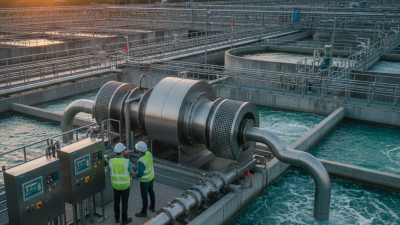
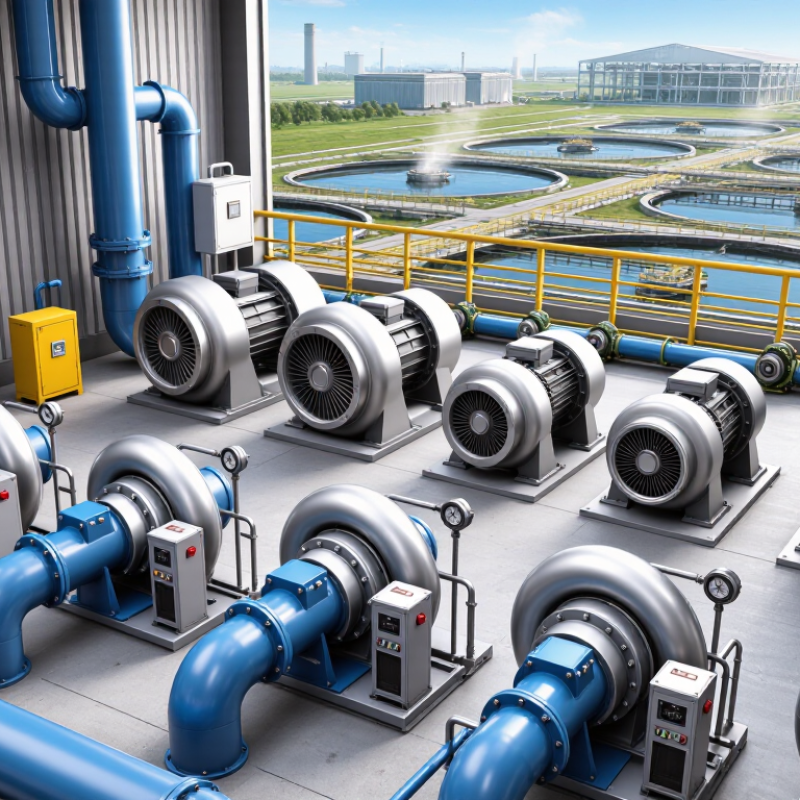
Oxidation blowers are mechanical devices that move air or oxygen into industrial treatment systems. In wastewater plants, they feed aerobic microorganisms that break down biodegradable pollutants. The air often enters through fine-bubble diffusers at the tank bottom. Bubbles rise slowly, improving oxygen transfer and mixing.

The details matter.

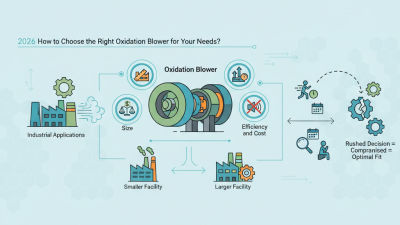
A blower with unstable pressure can reduce dissolved oxygen and weaken biological treatment. Excessive airflow wastes electricity, increases noise, and may stress diffusers. Global buyers should compare flow rate, discharge pressure, motor efficiency, control range, materials, and maintenance access. Site altitude and water depth also affect performance. A unit suitable for a shallow food-processing basin may struggle in a deeper municipal tank.

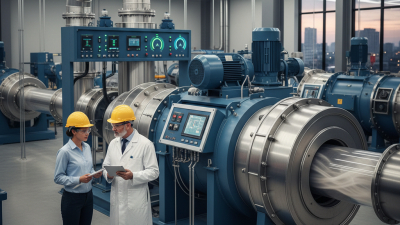
Operators usually monitor dissolved oxygen, vibration, temperature, and filter condition. These readings reveal problems before a shutdown occurs. In practice, the cheapest purchase is not always the lowest-cost choice. Energy can dominate operating expenses over several years. However, efficiency data should be checked under real operating conditions, not only ideal test points.

There is no perfect blower selection.

Demand changes with production schedules, seasonal temperatures, and pollutant loads. A reliable specification should include peak demand, normal demand, standby capacity, and local service requirements. Buyers sometimes focus heavily on rated output and overlook controls. That mistake can make a technically strong system harder to operate. Clear documentation and verified testing remain essential for dependable industrial treatment.
China Top 10 Oxidation Blower Suppliers for Global Buyers

What Oxidation Blowers Are and Why They Matter in Industrial Treatment

Oxidation blowers supply controlled air or oxygen to industrial treatment processes. The chart shows indicative operating discharge-pressure ranges commonly associated with major applications. Pressure requirements vary with basin depth, diffuser resistance, piping losses, gas composition, and process design.

Unit: bar(g). Ranges are typical engineering reference values rather than fixed equipment specifications.

How the Top 10 Oxidation Blower Suppliers Are Selected and Compared

Selecting the top 10 oxidation blower suppliers requires more than checking catalog prices. The comparison begins with verified airflow, pressure stability, motor efficiency, noise, materials, and service coverage. Each supplier should provide test curves at the buyer’s actual operating point, not only a laboratory maximum. This matters because oxidation systems often run continuously, while a small efficiency gap becomes a large annual cost. The International Energy Agency reported that industry used about 37% of global final energy in 2022, making operating efficiency a practical procurement measure.

Performance is scored against measured evidence. We compare ISO 1217 test documentation, control compatibility, vibration limits, spare-parts availability, installation records, and response times. The U.S. Environmental Protection Agency’s industrial energy guidance also emphasizes system-level efficiency, so motor ratings alone cannot decide the ranking. Field experience matters: an operator should inspect bearing temperature, filter dust, and discharge pressure during a site trial. Keep records.

Supplier reliability receives a separate score. Audited quality systems, traceable components, documented factory testing, and transparent warranty terms strengthen confidence. However, no ranking is perfect. Published efficiency data may use different air conditions, and service claims can be difficult to verify across countries. A fair comparison therefore combines third-party reports, reference-site interviews, technical submittals, and total cost over the expected operating life. The final list reflects evidence, but buyers should still challenge the assumptions.

China Top 10 Oxidation Blower Suppliers for Global Buyers - How the Top 10 Oxidation Blower Suppliers Are Selected and Compared

This comparison uses anonymized supplier profiles and public industry evaluation criteria commonly applied to oxidation blower procurement. The assessment focuses on technical capability, energy performance, manufacturing quality, export readiness, service capacity, and total purchasing value.

Rank Anonymized Supplier Profile Typical Blower Types Airflow Range Pressure Range Motor Power Range Typical Efficiency Recommended Applications Quality & Testing Export Readiness Lead Time Warranty Overall Score
1 Supplier Profile 01
Large-scale industrial manufacturer with broad wastewater equipment coverage
Roots blower Turbo blower Magnetic suspension 2–260 m³/min 9.8–98 kPa 5.5–315 kW Up to 78% for turbo models Municipal wastewater, industrial aeration, large oxidation basins Performance testing, vibration checks, insulation testing, balancing Standard export packaging; multilingual technical documents 25–45 days 12–24 months 91/100
2 Supplier Profile 02
Established rotary blower producer focused on stable continuous operation
Three-lobe Roots Helical rotor Oil-free 0.8–180 m³/min 9.8–98 kPa 2.2–250 kW Up to 72% Activated sludge systems, food processing, aquaculture, pneumatic conveying Factory acceptance testing, pressure testing, noise and vibration inspection Strong distributor support in Asia, Europe, and the Middle East 20–40 days 12–18 months 89/100
3 Supplier Profile 03
Energy-focused supplier offering variable-speed aeration packages
High-speed turbo Permanent-magnet motor VFD package 10–240 m³/min 30–120 kPa 15–400 kW Up to 82% Large wastewater plants, energy-saving retrofit projects, biological treatment Motor efficiency verification, aerodynamic testing, control-panel inspection PLC documentation and remote commissioning available 30–55 days 12–24 months 88/100
4 Supplier Profile 04
Mid-to-large manufacturer providing customized blower stations
Roots blower Screw blower Containerized system 1–220 m³/min 10–100 kPa 3–355 kW Up to 75% Municipal treatment, chemical plants, sludge stabilization, aquaculture Dimensional inspection, coating inspection, load testing, final assembly checks OEM/private-label documentation available without public brand display 25–50 days 12–18 months 86/100
5 Supplier Profile 05
Cost-competitive producer serving standard oxidation applications
Roots blower Low-pressure blower 0.5–150 m³/min 9.8–80 kPa 1.5–200 kW Up to 70% Small and medium wastewater plants, livestock farms, aquaculture Routine pressure, leakage, insulation, and running tests Common export documents; standard wooden-case packaging 18–35 days 12 months 84/100
6 Supplier Profile 06
Application-oriented supplier with strong customization for harsh environments
Corrosion-resistant Roots Belt-driven Direct-coupled 1–130 m³/min 10–90 kPa 2.2–160 kW Up to 69% Industrial effluent, chemical processing, corrosive gas handling Material certificates, coating checks, noise measurement, operating test Project-based engineering and overseas installation support 30–60 days 12 months 82/100
7 Supplier Profile 07
Specialist in compact, low-maintenance aeration equipment
Compact Roots Side-channel Package blower 0.2–80 m³/min 10–70 kPa 0.75–110 kW Up to 68% Packaged treatment systems, laboratories, small industrial facilities Functional testing, sound-level testing, motor protection verification Suitable for container and small-project exports 15–30 days 12 months 80/100
8 Supplier Profile 08
OEM-capable manufacturer emphasizing flexible specifications and pricing
Roots blower Screw blower Custom skid 1–190 m³/min 10–100 kPa 2.2–250 kW Up to 73% General wastewater, cement plants, pneumatic conveying, aquaculture Pressure-flow testing, shaft alignment, electrical safety inspection OEM packaging, export labeling, and documentation support 25–45 days 12 months 79/100
9 Supplier Profile 09
Regional manufacturer focused on reliable standard models and replacement supply
Three-lobe Roots Belt-driven 0.8–100 m³/min 9.8–80 kPa 1.5–132 kW Up to 67% Small municipal plants, agricultural wastewater, replacement projects Routine factory testing and spare-parts compatibility checks Basic export capability; buyer-side commissioning often required 20–35 days 12 months 76/100
10 Supplier Profile 10
Entry-level supplier offering economical blower packages for standard conditions
Roots blower Side-channel 0.2–70 m³/min 10–60 kPa 0.75–90 kW Up to 64% Small oxidation tanks, decentralized treatment, aquaculture, farm applications Basic running, pressure, leakage, and electrical tests Standard export packing with limited engineering support 15–30 days 12 months 73/100
Selection and comparison criteria: technical range and suitability 25%, energy efficiency 20%, manufacturing and testing capability 15%, customization 10%, export and documentation capability 10%, delivery performance 10%, warranty and after-sales support 10%. Airflow, pressure, efficiency, lead-time, and warranty figures are representative procurement ranges and should be confirmed against the final model, operating point, motor configuration, destination standards, and project conditions before purchase.

Profiles of China’s Top 10 Oxidation Blower Suppliers

China’s top ten oxidation blower suppliers serve different industrial needs. One focuses on compact blowers for laboratory oxidation tests. Another builds high-flow units for wastewater aeration. A third supplies corrosion-resistant systems for chemical plants. Its coated housings matter where humid gas attacks ordinary steel. A fourth supplier develops low-noise blowers for enclosed facilities. Noise levels matter.

A fifth supplier offers customized impellers for uneven operating pressures. A sixth supports high-temperature gas handling with reinforced bearings and improved seals. A seventh concentrates on energy-saving motors and variable-frequency drive compatibility. An eighth provides skid-mounted packages, including filters, valves, gauges, and control cabinets. A ninth serves food-processing plants, where cleanable surfaces and oil-free operation receive close attention. The tenth supplier targets export projects and usually provides manuals, test records, and spare-parts lists in English.

Experienced buyers should examine more than catalog airflow. Ask for pressure curves, motor efficiency data, vibration readings, and factory test procedures. Check whether the quoted performance uses standard air or the actual process gas. That detail can change selection results. Installation experience also reveals practical weaknesses, such as difficult belt access or fragile cable connections. Some suppliers respond quickly but offer limited field documentation. Others produce excellent equipment but need longer manufacturing periods. This difference deserves honest review. A site visit, sample inspection, or witnessed performance test can expose gaps before shipment. Something may be overlooked.

Key Products, Technologies, and Industries Served by These Suppliers

China’s leading oxidation blower suppliers serve wastewater, chemical, food-processing, and aquaculture plants. Their product ranges often include tri-lobe rotary blowers, screw blowers, turbo blowers, and oil-free centrifugal units. Each design answers a different operating need. Rotary models suit stable aeration loads and moderate pressure. Screw and turbo models can reduce energy use under suitable control conditions. Performance depends on more than a catalog rating.

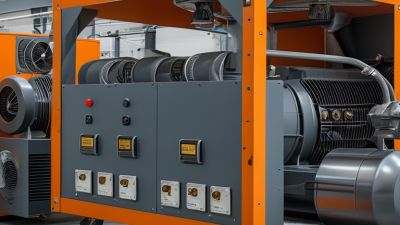
Experienced suppliers usually provide airflow testing, pressure mapping, acoustic data, and motor matching. Variable-frequency drives adjust oxygen delivery when biological demand changes during the day. Integrated skid packages may include filters, check valves, silencers, sensors, and remote monitoring. In wastewater basins, operators monitor dissolved oxygen, discharge temperature, vibration, and oil carryover risks. Food and pharmaceutical facilities may require cleaner air paths and documented materials. Chemical plants need corrosion-aware selection and careful enclosure design. Conditions change.

Global buyers should request performance curves at their actual altitude, inlet temperature, and discharge pressure. Factory acceptance testing can reveal gaps between advertised and installed performance. Spare-part access, commissioning support, and language-ready manuals also affect uptime. A catalog number is not a field result. Not every test transfers. Some energy claims rely on ideal load profiles. Buyers should compare ownership cost, service response, and measured efficiency over time. Reliable suppliers explain limitations clearly instead of promising one solution for every site.

How Global Buyers Can Evaluate and Purchase from Chinese Suppliers

When evaluating China’s top oxidation blower suppliers, global buyers should begin with process data, not attractive prices. Confirm required airflow, discharge pressure, gas composition, operating temperature, voltage, noise limits, and continuous-duty conditions. A supplier should explain how the blower performs under your actual workload. Ask for performance curves, material specifications, motor details, and test records. Generic catalogs are useful, but they cannot replace application-specific calculations.

During purchasing, request a written quotation with model, capacity, efficiency, delivery time, warranty terms, packaging, and spare-parts availability. Check whether the factory can provide factory acceptance testing, serial-number traceability, and clear inspection procedures. Independent pre-shipment inspection can reduce risk, especially for first-time orders. Review export documents carefully and agree on suitable shipping terms before payment. Video calls, sample testing, and production photos may reveal useful details, although none proves long-term reliability. A perfect supplier rarely exists. Some buyers also underestimate after-sales communication and installation support.

Tips: Compare at least three technical offers. Ask for references from similar industries. Confirm electrical standards early. Keep every promise in writing. Do not choose the lowest quotation automatically. Evaluate response speed, technical patience, and willingness to admit limitations. A supplier that avoids difficult questions may create larger costs later. Recheck the final specifications before production, because small errors in pressure or voltage can stop an entire system.