Top Tips for Choosing the Right Oxidation Blower for Your Needs?
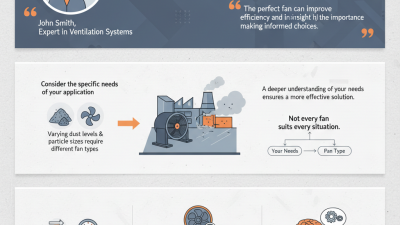
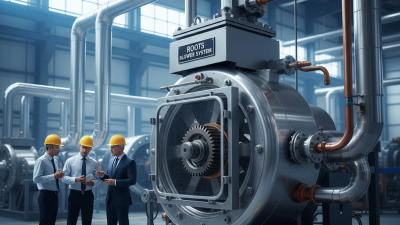
Choosing the right oxidation blower can significantly impact operational efficiency. John Smith, a leading expert in air management solutions, emphasizes, “A well-chosen oxidation blower can transform your waste treatment process.” This advice highlights the importance of selecting an appropriate blower tailored to your specific needs.
When looking for an oxidation blower, consider its specifications carefully. The right blower should align with your airflow requirements and pressure needs. Many companies overlook these critical details, leading to inefficient operations. A blower that is too powerful can waste energy, while one that is underpowered may not adequately serve its purpose.
Additionally, durability and maintenance are often underestimated aspects. An oxidation blower should withstand harsh environments and require minimal upkeep to maximize performance. Investing in quality equipment may seem costly upfront, but it pays off in the long run through lower operational costs and reduced downtime. Always keep in mind the importance of reliability when making your choice.
Understanding the Purpose of Oxidation Blowers in Industrial Applications
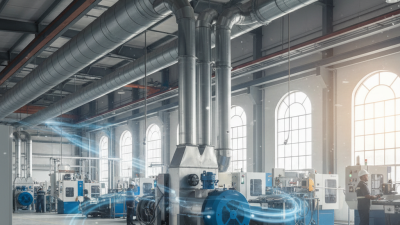
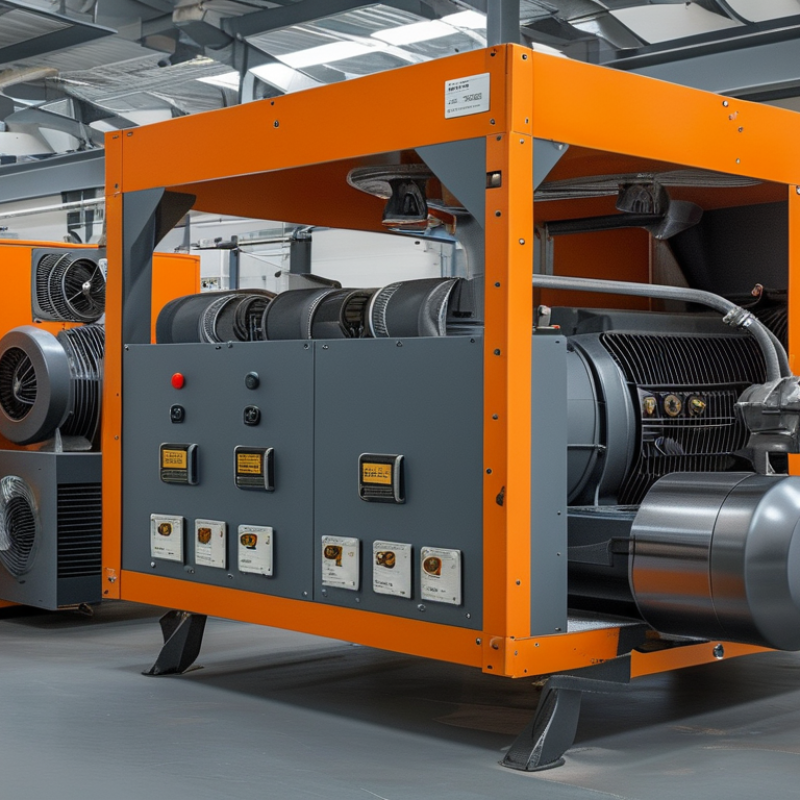
Oxidation blowers play a crucial role in various industrial applications, particularly in wastewater treatment and chemical processing. These blowers enhance oxygen levels in tanks, fostering the growth of microorganisms that break down pollutants. According to a report by the Environmental Protection Agency, proper aeration improves the efficiency of biological treatment processes by up to 40%. This underscores how integrated systems can significantly boost operational performance in industries.
Understanding blower specifications is essential. Factors like airflow rate, pressure, and energy efficiency determine how well a blower performs in specific settings. A recent study found that variable frequency drives can optimize blower operation by improving energy use by 20%. Yet, choosing the right blower requires attention to detail. An oversized unit can lead to energy waste, while an undersized one may not meet the necessary operational requirements.
Despite advancements, not every solution fits all scenarios. Industries sometimes face challenges in balancing cost and efficiency. Users might initially select blowers based on price, only to discover functionality issues later. Conducting thorough research and pilot testing can mitigate such discrepancies. It's critical to evaluate options with an analytical mindset to ensure a reliable choice.
Key Factors to Consider When Selecting an Oxidation Blower
When selecting an oxidation blower, there are several key factors to keep in mind. Understanding airflow requirements is crucial. A typical oxidation process requires a consistent air supply. According to recent industry reports, improper airflow can lead to inefficiencies, causing up to a 30% increase in operational costs. This highlights the importance of accurately assessing your specific needs before making a decision.
You should also consider the blower's energy efficiency. The U.S. Department of Energy notes that energy-efficient blowers can reduce electricity consumption by 15-25%. Selecting an efficient unit not only cuts down on costs but also extends the lifespan of your equipment. Additionally, maintenance and durability play vital roles. A blower that requires frequent repairs can disrupt operations and incur significant downtime. Reports indicate that up to 40% of maintenance costs in industrial settings stem from poor blower choices.
Finally, noise levels matter. Many industries face stringent regulations regarding noise pollution. Choosing a blower designed for quiet operation can help in maintaining compliance while ensuring a comfortable working environment. Balancing these factors may require some trial and error. Prioritizing one aspect might lead to neglecting another. Therefore, careful evaluation and consultation with experts can provide clarity and guidance for your selection process.
Top Tips for Choosing the Right Oxidation Blower for Your Needs
| Factor |
Description |
Importance Level |
| Airflow Requirement |
Determine the required airflow for your application, measured in CFM (cubic feet per minute). |
High |
| Pressure Needs |
Identify the pressure needed for effective oxidation, typically measured in PSI (pounds per square inch). |
High |
| Material Compatibility |
Ensure the blower is made of materials that are resistant to oxidation and the chemicals involved. |
Medium |
| Noise Level |
Consider the noise produced by the blower and how it is acceptable within your environment. |
Medium |
| Efficiency Rating |
Look for blowers with high efficiency ratings to reduce energy consumption and operating costs. |
High |
| Maintenance Requirements |
Evaluate how often maintenance is required and the complexity of maintenance procedures. |
Medium |
| Size and Portability |
Consider the size of the blower and whether portability is necessary for your operations. |
Low |
Evaluating Performance Specifications and Capacity Requirements
Choosing the right oxidation blower involves careful consideration of performance specifications and capacity requirements. Understanding the airflow rates is critical. The ideal blower should handle the necessary cubic feet per minute (CFM) for your specific application. Reports indicate that optimizing CFM can lead to energy savings of up to 30%. This is significant when calculating operational costs.
Another essential aspect is the pressure specifications. Most applications require a blower capable of producing pressure ranging from 1 inch to over 15 inches of water column. Inadequate pressure can result in insufficient oxidation, while excess pressure can lead to system wear. Experts often recommend conducting a thorough demand analysis to prevent over-specifying your equipment. This not only reduces initial investment costs but also enhances longevity.
Noise levels also warrant attention. Many models operate at varying decibel levels. Understanding your workplace's noise tolerance is vital for compliance and comfort. Selecting a blower with high efficiency and low noise can enhance working conditions. Still, some users overlook this aspect, ultimately requiring adjustments after installation. Proper evaluation of these factors ensures the chosen blower meets both current and future needs.
Assessing Energy Efficiency and Operational Costs
When selecting an oxidation blower, energy efficiency is a crucial factor. A high-efficiency blower can lower operational costs and reduce energy consumption. Look for blowers that offer adjustable speed settings. This feature allows you to optimize airflow based on specific needs, providing flexibility in performance and expenses. Understanding the energy ratings of different models is also essential.
Operational costs don't just include energy usage. Maintenance expenses add up over time. Regular checks and parts replacement ensure long-term reliability. Some models seem cost-effective but may require frequent repairs, leading to unforeseen expenses. Investigate the total cost of ownership before making a decision.
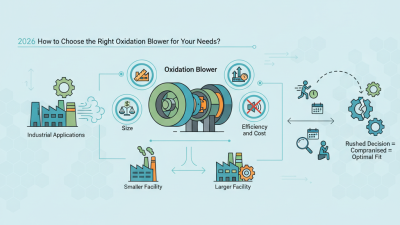
Assessing your unique requirements is vital. A blower that's perfect for one application might not fit another. Consider the environment where it will be used. Is it an industrial site or a smaller facility? Each context presents different demands. Reflect on these variables as you make your choice.
Exploring Maintenance Needs and Reliability of Different Models
When choosing an oxidation blower, maintenance needs and reliability are critical. Many models vary significantly in these areas. According to recent industry reports, nearly 30% of maintenance issues arise from improper selection of components, leading to frequent downtime and repair costs.
Regular inspection is vital. A blower should be serviced at least once every six months. This ensures optimal performance and reduces the risk of unexpected failures. Research indicates that well-maintained blowers can last up to 25% longer than those neglected. However, some models may have complex designs that complicate maintenance processes. Users should consider ease of access to essential components.
Reliability often correlates with the materials used in construction. Higher-quality materials can withstand corrosion better and enhance longevity. Reports note that blowers exposed to harsh conditions have a 40% increased failure rate. Therefore, evaluating the long-term reliability of different models is essential. Users should actively reflect on their unique environments and operational demands to avoid costly mistakes in their choice.