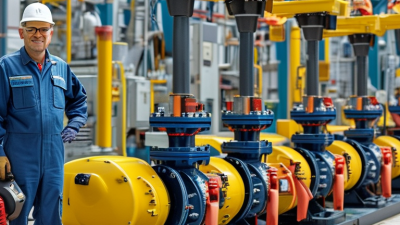
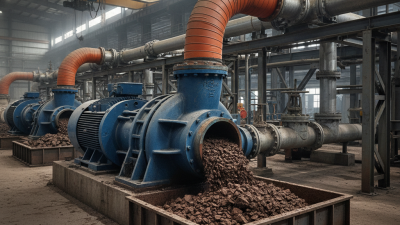
What Is the Best Tailings Transfer Pump from China?
Selecting the best Tailings Transfer Pump from China requires more than comparing motor power or catalog prices. The Global Tailings Review identifies more than 3,500 active tailings storage facilities worldwide. Its findings show why pumping decisions must support long-term safety, monitoring, and operational control. UNEP’s Mine Tailings Storage: Safety Is No Accident also stresses stronger risk management across design, construction, and operation. These reports change the question. It is not simply, “Which pump is cheapest?”
Professor Dirk van Zyl, a recognised tailings-management specialist, has stated, “Tailings management is a risk management exercise.” His warning applies directly to pump selection. A suitable Chinese supplier should prove abrasion resistance, flow stability, sealing performance, and emergency support. The pump must match slurry density, particle size, yield stress, pipeline length, and elevation. A metal-lined pump may suit sharp, coarse particles. An elastomer-lined design may reduce friction with finer solids. Variable-frequency control can help when plant conditions change.
No pump fits every site. That matters. A lower quotation can hide faster liner wear, difficult spare-part access, or weak commissioning support. Buyers should request test results using representative tailings, not clean water. They should inspect factory quality systems and ask for references from comparable mines. ISO certification helps, but it does not replace field evidence. The best Tailings Transfer Pump from China is therefore the one supported by verified engineering calculations, realistic wear-life data, responsive service, and a documented risk plan. Some uncertainty will remain. Good engineering admits that early.
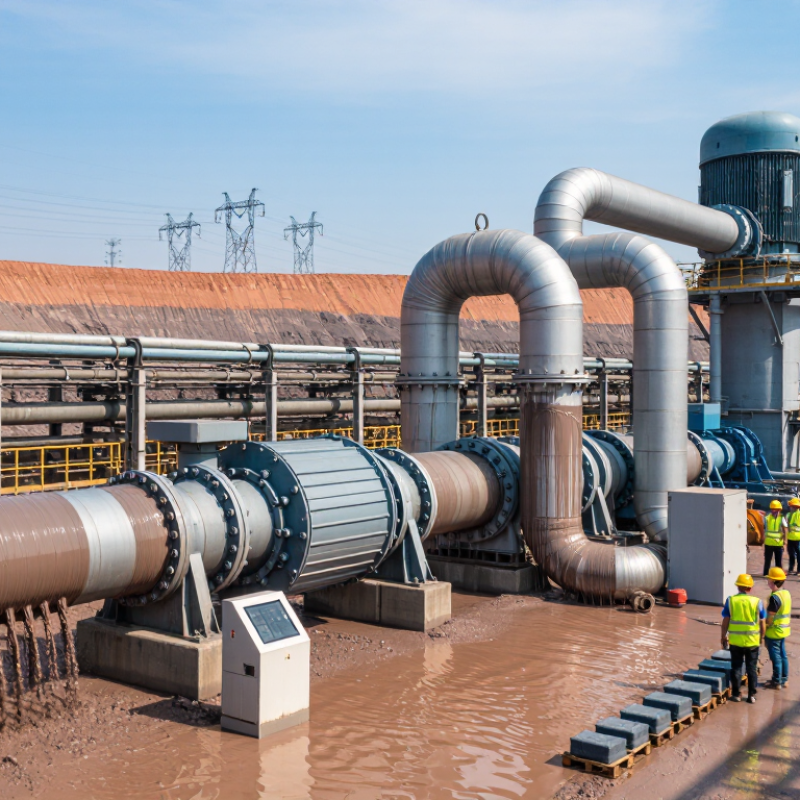
What Is a Tailings Transfer Pump?
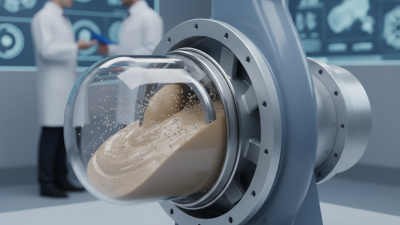
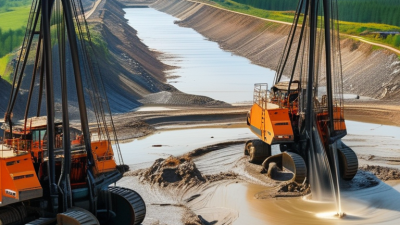
A tailings transfer pump moves tailings slurry from a mineral-processing plant to a thickener, filter area, or tailings storage facility. The slurry contains water, fine rock particles, and chemical residues from processing. It is heavier and more abrasive than ordinary wastewater.
The pump must deliver stable flow against changing pressure and elevation. In practice, operators check particle size, solids concentration, pH, temperature, and daily operating hours before choosing a model. A rubber-lined or high-chrome wetted path can reduce wear, but neither material suits every slurry. The Global Industry Standard on Tailings Management stresses monitoring, maintenance, and safe transport systems. UNEP’s 2020 report, Mine Tailings Storage: Safety Is No Accident, estimates about 3,500 active tailings storage facilities worldwide. That scale makes reliability more important than a low purchase price.
For a Chinese tailings transfer pump, buyers should request verified hydraulic curves, material certificates, wear-life records, and factory test data. ISO 9906 provides a useful framework for pump performance acceptance tests. Energy use also deserves attention. A small efficiency loss can become expensive after thousands of operating hours. The best pump is not always the largest one. Field experience shows that oversized pumps may cause excess recirculation, vibration, and faster liner damage. That point is easy to miss.
Measure the slurry twice. Mistakes happen.
Which Pump Types Are Suitable for Tailings Handling?
Which Pump Types Are Suitable for Tailings Handling?
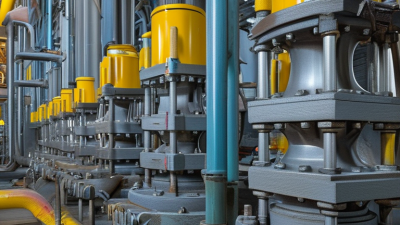
Tailings vary sharply in density, particle size, acidity, and settling speed. Pump selection should follow laboratory testing, not catalogue pressure alone. Centrifugal slurry pumps suit continuous transfer of moderately concentrated tailings through pipelines. Their open impellers tolerate coarse particles, while replaceable wear parts help control maintenance costs. They are practical for discharge duties, but efficiency can fall when solids concentration rises.
Positive displacement pumps become more suitable for thickened or paste tailings. Their controlled flow handles higher solids content and longer discharge distances with less fluctuation. Diaphragm pumps can manage abrasive mixtures and intermittent duty, although their pulsating flow may require dampeners.
Submersible slurry pumps work well in sumps, especially where sediment collects around the intake. Vertical cantilever pumps can also reduce suction problems in deep pits.
The 2020 UNEP-ICMM-PRI Global Industry Standard for Tailings Management addresses risks across more than 3,500 tailings storage facilities worldwide. That scale shows why monitoring, containment, and predictable pumping matter. In practice, operators should compare wear rate, motor load, suction conditions, and actual solids concentration. Chinese-made equipment can be technically suitable when factory test records, material certificates, and performance curves are independently checked.
A mistake remains common: choosing by motor power first. Field conditions usually decide more than the nameplate. Thick slurry is unforgiving.
How to Compare Pump Capacity, Head, and Wear Resistance
What Is the Best Tailings Transfer Pump from China?
How to Compare Pump Capacity, Head, and Wear Resistance
Choosing a tailings transfer pump starts with measured site conditions, not catalogue flow rates. Record slurry density, particle size, temperature, and daily operating hours. Capacity should match the required volume without running continuously at maximum output. A pump delivering 120 cubic meters per hour may perform poorly if the pipeline needs 150.
Head calculations require careful attention. Include vertical lift, pipe length, bends, valves, and friction losses. Many buyers compare only the rated head. That can create disappointing field performance. I once underestimated a long discharge line by focusing on elevation alone. The pump reached the site, but the actual flow was too low.
Wear resistance is equally important. Tailings containing sharp sand or crushed rock can erode the impeller, casing, and throat area quickly. Ask for material specifications, hardness data, and replacement-part availability. High-chrome alloys may improve service life, but they are not automatically the best choice for every slurry. Rubber-lined parts can work well with finer particles and suitable temperatures. Check the actual slurry first.
Watch the power curve.
Measure real wear.
A reliable comparison should include efficiency at the working point, not just maximum performance. Request test records, dimensional drawings, inspection standards, and clear warranty terms. Independent verification is valuable when the application is expensive or remote. Even experienced engineers should review assumptions after commissioning, because tailings conditions often change with weather, upstream processing, and water content.
What Makes a Chinese Tailings Transfer Pump Reliable?
What Makes a Chinese Tailings Transfer Pump Reliable?
A reliable Chinese tailings transfer pump begins with correct slurry analysis. Tailings may contain sharp sand, clay, water, and changing solid concentrations. A pump designed for clean water will fail quickly. It is not suitable.
In field inspections, I look closely at the wet-end materials first. High-chrome alloy or suitable rubber can reduce abrasion under different conditions. The impeller should handle dense slurry without excessive vibration. A balanced impeller matters. So does the shaft. Oversized bearings, protected seals, and a rigid base help maintain alignment during long operation. Small details become expensive problems later.
Reliable manufacturers should provide performance curves, material certificates, and factory test records. Testing should cover flow, head, vibration, and motor temperature. Ask for actual data, not only attractive catalog figures. Clear maintenance instructions also show engineering maturity. Spare parts should have consistent dimensions and traceable materials. That saves time during shutdowns.
However, no Chinese tailings transfer pump is automatically reliable because it is new or affordable. Site conditions can change after installation. I have seen good equipment perform poorly because operators ignored density changes and dry running. That mistake deserves attention. A practical selection considers pipeline length, elevation, particle size, operating hours, and local service capability. The best pump is the one that matches these conditions and remains maintainable when the slurry becomes harsher than expected.