Top 10 Tips for Choosing the Right Centrifugal Slurry Pump?
Choosing the right centrifugal slurry pump is crucial for various industries, including mining and wastewater treatment. According to a report from Global Market Insights, the centrifugal slurry pump market is projected to grow significantly, reaching over $2 billion by 2027. This reflects a rising demand for efficient pumping solutions.
Expert John Smith, a renowned engineer in pump technology, emphasizes, “Selecting the right centrifugal slurry pump can enhance productivity and reduce costs.” His insights highlight the significance of understanding pump specifications. It's vital to consider factors like viscosity and flow rates. These variables impact performance and longevity.
Many users encounter challenges when selecting the proper pump. Some overlook critical features, leading to inefficiencies. Proper evaluation is necessary, as optimizing pump selection can result in substantial savings over time. A poor choice can increase operational risks and maintenance costs, proving that a well-informed decision is not just beneficial but essential.

Understanding Centrifugal Slurry Pumps: Key Functionality and Applications
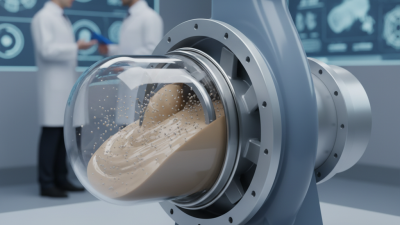
Centrifugal slurry pumps play a vital role in various industries, including mining, construction, and wastewater treatment. These pumps are designed to handle thick, abrasive mixtures like mud, sand, and chemicals. Understanding their key functionality is crucial for effective operations. Their design typically includes a rotating impeller, which creates a vortex, drawing in the slurry and pushing it through the discharge pipe. This mechanism is essential for transporting high-density materials efficiently.
When selecting a centrifugal slurry pump, consider its efficiency and durability. Pump performance directly impacts operational costs. A more efficient pump minimizes energy consumption. Durability is crucial, as slurry materials can be highly abrasive, leading to wear and tear. Always consult with experts to assess material compatibility with pump components. This ensures long-term reliability.
Evaluate the pump's capacity and head. Each application has unique requirements. Ensure the pump can handle the desired flow rate and the distance the slurry must travel. Check user reviews and case studies for insight into pump performance in similar applications. Proper analysis of functionality and application is key to choosing the right pump for your needs.
Factors to Consider: Slurry Properties and Their Impact on Pump Selection
When choosing a centrifugal slurry pump, understanding slurry properties is crucial. Slurry viscosity can significantly affect pump performance. High-viscosity slurries require pumps with robust design features. These pumps often have larger impeller sizes and are made from durable materials to handle the flow.
Another important factor is the solid content in the slurry. Slurries with high solid concentrations can lead to increased wear and tear on the pump components. Operators should consider the size and shape of the solids, as irregular shapes can cause clogging. It's vital to balance the pump's capability with the slurry's characteristics to ensure efficient operation.
Additionally, the temperature of the slurry should not be overlooked. Higher temperatures can alter the viscosity and chemical properties, impacting the pump's efficiency. If the slurry is abrasive or corrosive, selecting materials that resist wear and degradation is essential. Each choice can affect the pump’s longevity and reliability, requiring careful consideration and potential adjustments during operation.
Evaluating Pump Materials: Ensuring Durability and Compatibility
When selecting a centrifugal slurry pump, material evaluation is crucial. The longevity of the pump largely depends on the materials used in its construction. Industry reports indicate that inappropriate material selection can lead to premature failures. For instance, a study from the Hydraulic Institute found that nearly 30% of pump failures are related to corrosion or abrasion issues.
Choosing compatible materials can significantly enhance durability. For abrasive slurries, high-chrome alloys and rubber liners are often recommended. These materials can withstand harsh environments, reducing maintenance costs. A survey by Flow Control magazine highlights that pumps made of these materials last 20% longer than standard variants.
Incompatibility can cause chemical reactions, leading to material degradation. It’s essential to analyze the slurry's chemical composition before deciding on pump materials. Many professionals overlook this step, leading to failures that could have been avoided. Industry best practices advocate for thorough compatibility testing to ensure optimal performance.
Assessing Pump Performance: Flow Rate, Head, and Efficiency Specifications
When selecting a centrifugal slurry pump, assessing pump performance is crucial. Flow rate is one of the primary factors to consider. It indicates how much fluid the pump can transport over time. A higher flow rate can mean better efficiency for your operation. However, it's essential to balance this with the specific needs of your system. Not all applications require maximum flow; sometimes, lower rates might perform better.
Head is another vital specification. It represents the height that the pump can effectively lift the slurry. Knowing the required head for your application helps in determining the suitable pump type. For example, high-head pumps are designed for applications involving greater vertical distance. Additionally, consider the efficiency rating. An efficient pump minimizes energy costs. However, be cautious; sometimes, manufacturers may overstate efficiency claims. Always review real-world performance data and user feedback. Understanding these specifications can help ensure your investment aligns with operational goals.
Cost-Benefit Analysis: Balancing Price Against Quality and Longevity
When considering the cost-benefit analysis of a centrifugal slurry pump, price is an essential factor. However, focusing solely on upfront costs may lead to future regrets. A low-priced pump might save money initially but could incur significant maintenance expenses later. Assessing the longevity of the pump is crucial; a reliable unit can outperform cheaper options over time.
Evaluating quality versus price is key. Look for pumps made from durable materials. These pumps often withstand high wear and extend your operational timeline. Don’t compromise on performance; find that sweet spot where price and quality meet.
In choosing the right pump, consider the application environment. Understand the nature and composition of the slurry you will handle. This will influence your selection significantly. Evaluate the manufacturer’s specifications thoroughly. A well-informed decision ensures avoided pitfalls down the line. While cost savings can be tempting, investing in quality often yields greater rewards in the long run.