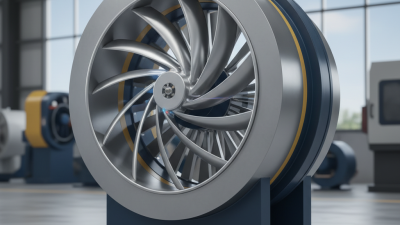
Top Cooling Centrifugal Fan Models for 2026 Buyers Guide?
As we approach 2026, the demand for effective and efficient cooling solutions continues to rise. The global market for Cooling Centrifugal Fans is projected to grow significantly. According to industry reports, this market is expected to reach over $5 billion by 2026. Factors driving this growth include increased industrialization and the need for climate control in various sectors.
Cooling Centrifugal Fans play a crucial role in many applications. They ensure optimal cooling in HVAC systems, manufacturing processes, and data centers. The efficiency of these fans directly impacts energy consumption and operational costs. A recent study indicated that well-designed centrifugal fans could reduce energy usage by up to 25%. However, buyers must navigate a crowded marketplace filled with diverse models and varying specifications.
In selecting the right Cooling Centrifugal Fan, it is vital to consider both performance and reliability. Not all fans are created equal; some may fall short of expectations. Researching industry standards and product reviews can provide essential insights. Balancing cost and quality often requires careful thought. The right choice can enhance productivity and ensure long-term satisfaction.
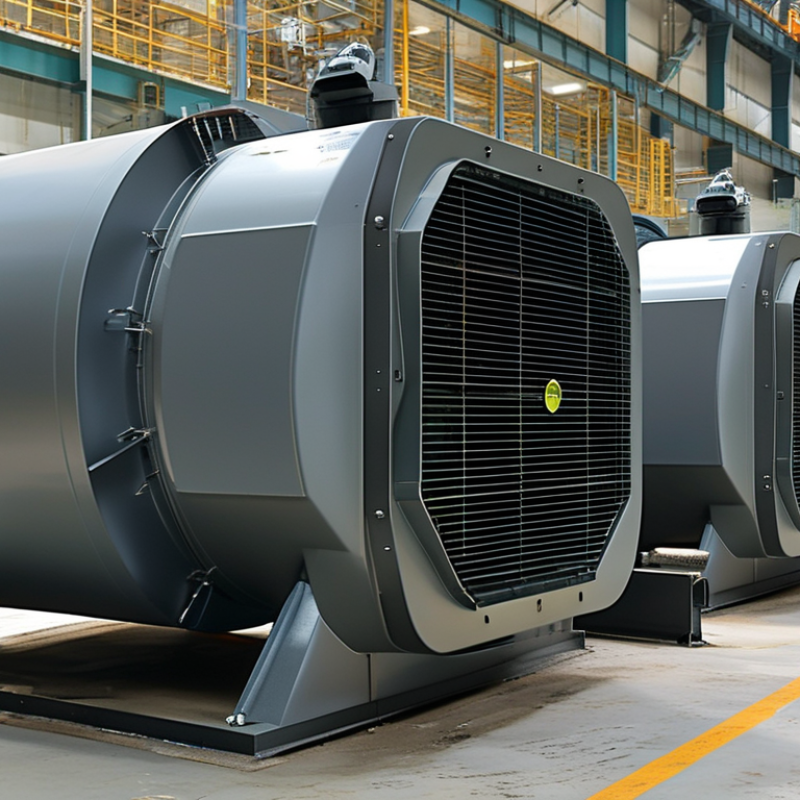
Top Cooling Centrifugal Fan Models: Key Features to Consider for 2026
When shopping for a centrifugal fan in 2026, it's crucial to focus on key features that impact performance. The fan's airflow efficiency, typically measured in cubic feet per minute (CFM), is a leading indicator of its effectiveness. According to the Air Movement and Control Association (AMCA), fans can lose up to 20% efficiency due to improper sizing or installation. Ensuring the right fit for your space can lead to better energy savings and increased cooling performance.
Noise level is another essential aspect. Many users overlook this factor. A report by the American Society of Heating, Refrigerating and Air-Conditioning Engineers (ASHRAE) indicates that excessive noise can lead to lower productivity and increased stress levels. Look for fans designed to operate quietly, ideally under 60 decibels. This detail can significantly impact comfort in residential and commercial settings.
Motor efficiency is also a game-changer. Variable speed motors offer flexibility, adapting airflow to different needs. Data from Energy Star suggests that the right motor can cut energy costs by up to 30%. However, awareness of installation errors or insufficient maintenance is vital. Regular checks can prevent potential issues, ensuring longevity and consistent performance of your centrifugal fan.
Understanding the Advantages of Centrifugal Fans in Industrial Applications
Centrifugal fans play a crucial role in various industrial applications. Their design allows them to move air efficiently, making them popular in HVAC systems, drying processes, and material handling. According to a report by MarketsandMarkets, the global industrial fan market is expected to grow significantly, reaching over $10 billion by 2026. This growth showcases the increasing reliance on centrifugal fans for high-performance cooling.
The advantages of centrifugal fans include their ability to handle large volumes of air at high pressures. They can operate continuously and manage varying airflow requirements. Industries like manufacturing and energy depend on these fans for maintaining optimal working conditions. A study from Research and Markets highlights that these fans' efficiency can exceed 80%, reducing energy costs. However, the right specifications are vital. Over- or under-sizing fans can lead to inefficiencies. Proper selection based on airflow and pressure demands is necessary for optimal performance.
Another important aspect is noise levels. While modern centrifugal fans are quieter than older models, excessive noise can still be an issue in some settings. According to the American Society of Heating, Refrigerating and Air-Conditioning Engineers (ASHRAE), excessive noise can impact worker productivity. This highlighted the need for selecting reliable fan models that meet both performance and acoustic standards. Regular maintenance is also essential to ensure their longevity and efficiency.
Market Trends: Projected Growth and Demand for Cooling Fans by 2026
As we approach 2026, the cooling fan market is witnessing significant projected growth. Increasing awareness regarding energy efficiency drives demand for innovative cooling solutions. Consumers are now more attuned to the environmental impact of their choices. This shift is reshaping how manufacturers develop cooling fans.
Market analysts predict a surge in sales of centrifugal fans. Their efficiency and versatility make them a preferred choice for various settings. However, not all products will meet the rising standards. Buyers need to remain vigilant about quality and performance. The challenge lies in distinguishing reliable products from those that make exaggerated claims.
Technological advancements play a pivotal role in this growth. Smart fans with IoT capabilities are becoming popular. Yet, there is a potential downside. With so many options, consumers may feel overwhelmed. It’s vital to approach purchases with a discerning eye. Reflecting on user reviews and conducting proper research will be crucial in making informed decisions.
Performance Metrics: Airflow Capacity and Efficiency Ratings Explained
When selecting a cooling centrifugal fan, performance metrics are essential. Two key factors include airflow capacity and efficiency ratings. Airflow capacity refers to the volume of air the fan can move in a specific time. It is usually measured in cubic feet per minute (CFM). A higher CFM indicates improved cooling effectiveness.
Efficiency ratings assess how well a fan converts electrical energy into airflow. This is measured in Watts per CFM. A fan with a lower rating is less efficient, leading to higher energy costs. Understanding these metrics helps in making informed decisions.
**Tips:** Choose a fan with a balance of high airflow and efficiency. Consider your space's size for optimal cooling. Regularly cleaning and maintaining your fan can enhance its performance and longevity. Remember, the most expensive fan isn't always the best choice; evaluate both metrics carefully.
Leading Brands: Comparing Popular Centrifugal Fan Models for Buyers in 2026
When choosing a centrifugal fan, it’s essential to compare models from different brands. Popular options vary in design and efficiency. Buyers need to evaluate airflow capacity and noise levels. Some fans excel at moving large volumes of air. Others focus on quiet operation, which is vital in certain environments.
It’s important to consider not just performance, but also ease of maintenance. Some designs are more user-friendly for cleaning and upkeep. Durability plays a significant role as well; some models may wear out faster under heavy use. Evaluating warranty options can provide insight into overall reliability.
Buyers should remember that the best model for one situation may not be ideal for another. Personal preferences, such as aesthetics or specific features, can impact satisfaction. A thorough review of specifications and user feedback is vital. This helps ensure a smart, informed choice when selecting a centrifugal fan.
Top Cooling Centrifugal Fan Models for 2026 Buyers Guide
| Model |
Airflow (CFM) |
Static Pressure (inches H2O) |
Motor Power (HP) |
Noise Level (dB) |
Efficiency Rating (%) |
| Model A |
1200 |
5.0 |
1.5 |
65 |
85 |
| Model B |
1500 |
6.5 |
2.0 |
70 |
90 |
| Model C |
1800 |
4.0 |
2.5 |
72 |
88 |
| Model D |
2000 |
7.0 |
3.0 |
68 |
92 |
| Model E |
1600 |
5.5 |
2.2 |
66 |
87 |