2026 Top Cooling Centrifugal Fan Buying Guide for Global Buyers
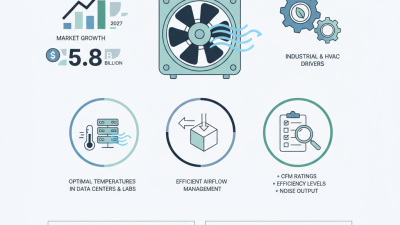
When selecting a Cooling Centrifugal Fan, buyers face a variety of choices influenced by industry trends. The global centrifugal fan market is projected to reach USD 6.8 billion by 2026, as reported by MarketWatch. This growth highlights the rising demand for efficient cooling solutions across multiple sectors, including HVAC and industrial applications.
To navigate the myriad of options, understanding key performance metrics is essential. Factors such as wind speed, pressure, and efficiency ratings play pivotal roles in fan selection. Surprisingly, many buyers overlook these details, leading to suboptimal choices. In fact, research indicates that nearly 30% of fans purchased do not meet performance expectations, resulting in increased operational costs.
Furthermore, the importance of reliability cannot be overstated. Quality assurance from reputable manufacturers ensures longevity and efficiency. However, it’s challenging to balance budget constraints with the necessity for high-quality components. As you embark on your journey to select the best Cooling Centrifugal Fan, a focus on expert guidance and thorough research will enhance your decision-making process.
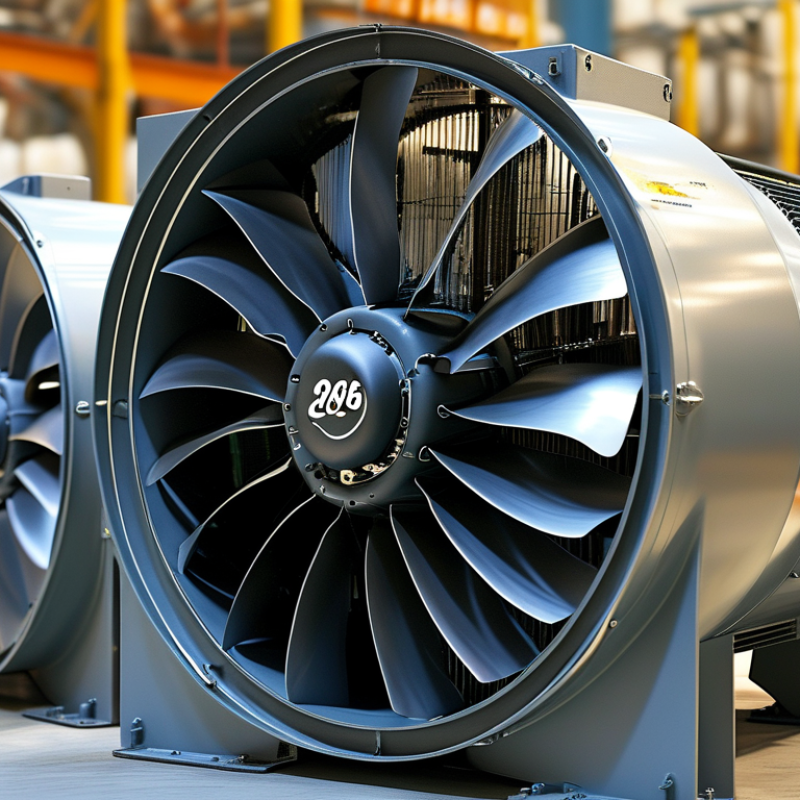
Understanding Cooling Centrifugal Fans: Fundamentals and Applications
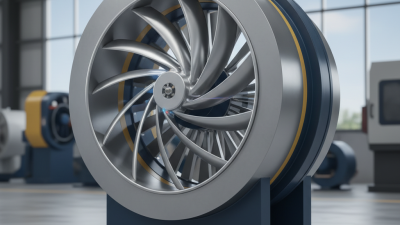
Cooling centrifugal fans play a vital role in various applications, from industrial to residential. These fans are engineered to move air efficiently, ensuring optimal cooling and ventilation. Understanding their fundamentals is crucial for anyone in the market for one. A centrifugal fan utilizes a rotating impeller to generate airflow. This mechanism allows them to perform well even in turbulent conditions.
When selecting a cooling centrifugal fan, consider the specific needs of your application. Factors such as air volume, pressure requirements, and space constraints are essential. Fans come in different shapes and sizes, so selecting the right type is necessary for effectiveness. Look for performance curves that detail how a fan operates under various conditions. This data will guide you in finding a fan that meets your requirements without compromising safety or performance.
Tips: Always check for product certifications. They assure quality and reliability. Use fans within their specified limits. Overloading can lead to faster wear and failure. Regular maintenance is necessary too. A clean fan operates more efficiently and lasts longer.
Key Features to Consider When Buying a Centrifugal Fan
When choosing a centrifugal fan, several key features come into play. Efficiency is crucial. Look for fans that offer high airflow while consuming minimal energy. This balance can lead to cost savings over time. Consider the size of the fan as well. A fan that’s too small may underperform, while an oversized unit can waste energy.
Another important aspect is noise levels. Fans with lower decibel ratings are preferable for quiet environments. Also, pay attention to the build quality. Fans made with high-quality materials tend to last longer and require less maintenance.
Finally, think about the fan's application. Specific tasks may require unique designs or performance specifications. Reflect on your needs and choose a fan that aligns with them. It’s easy to overlook these factors in the excitement of making a purchase, yet they significantly affect performance and satisfaction.
Comparative Analysis of Leading Brands in the Cooling Fan Market
Choosing the right cooling centrifugal fan can significantly impact performance. The market includes several leading brands, each offering distinct features. Potential buyers should consider efficiency ratings, noise levels, and durability. Comparing specifications helps gauge each fan's capabilities.
Tips: Focus on energy efficiency. A fan that consumes less power can save on long-term costs. Noise levels should match your environment. A quieter fan may be essential for residential or office spaces.
Examining user reviews is crucial. They reveal reliability and performance. Some models may fail to meet expectations, while others exceed them. It's essential to reflect on both positive and negative feedback. This will guide informed decisions.
Tips: Look for warranties and customer support options. A strong warranty can be a sign of quality. Also, pay attention to maintenance requirements—some fans may require more care than others.
Evaluating Performance Specs: Airflow, Efficiency, and Noise Levels
When selecting a cooling centrifugal fan, understanding its performance specs is crucial. Airflow is a primary concern. A fan's ability to move air efficiently affects its cooling capabilities. Buyers should look for fans that provide clear data on CFMs (cubic feet per minute). Higher CFMs indicate better airflow. However, do not overlook the space and application. A fan with excessive airflow might be wasteful or too noisy for smaller environments.
Efficiency is another vital factor. Fans with higher energy efficiency reduce operational costs. Check the fan's power consumption against its airflow output. This data can reveal how well a fan will perform over time. Efficiency can vary, with many products offering different ratings. Reflect on your specific needs. Sometimes high efficiency comes at a higher price.
Noise levels must not be ignored either. Find a balance between performance and noise. Many fans will have decibel ratings available. Lower decibel levels contribute to a quieter environment. However, there can be trade-offs between airflow and noise. Sometimes a powerful fan makes more noise. Understanding these dynamics helps in making an informed choice. Always assess your environment and comfort preferences.
Tips for Maintenance and Longevity of Cooling Centrifugal Fans
Cooling centrifugal fans are vital in various industries. They ensure efficient airflow and temperature control. However, many users neglect proper maintenance, which impacts performance. According to industry reports, regular maintenance can increase fan lifespan by up to 25%. This statistic highlights the importance of care for these fans.
Routine checks on bearings and belts can prevent common failures. Lubricating bearings every six months is recommended. Dust buildup can reduce efficiency by 20% or more. Cleaning fan blades regularly is crucial to maintain optimal airflow. Users often overlook these simple tasks, leading to costly replacements.
Monitoring fan vibrations is key to spotting issues early. A rise in vibration levels often indicates wear or misalignment. Small adjustments can mitigate these problems. Consistent monitoring can save businesses considerable repair costs. Simple maintenance strategies can lead to smoother operation and longer fan life.
2026 Top Cooling Centrifugal Fan Buying Guide
| Fan Model |
Airflow (CFM) |
Static Pressure (in WG) |
Power Consumption (W) |
Noise Level (dB) |
Weight (lbs) |
| Model A |
1200 |
3.5 |
150 |
48 |
30 |
| Model B |
1500 |
4.0 |
180 |
50 |
35 |
| Model C |
1400 |
3.8 |
160 |
49 |
32 |
| Model D |
1300 |
3.2 |
170 |
47 |
29 |
| Model E |
1100 |
3.0 |
140 |
45 |
28 |