How to Choose the Right Incinerator Fan for Your Needs?
Choosing the right incinerator fan is crucial for efficient waste management. The global incineration market is expected to grow significantly, with a report indicating a compound annual growth rate (CAGR) of 4.3% by 2027. The right fan ensures proper airflow, enhancing combustion efficiency while reducing emissions.
In the realm of industrial applications, different types of incinerator fans serve specific purposes. For instance, axial fans are ideal for high-volume applications, while centrifugal fans are suited for high-pressure systems. According to industry standards, selecting a fan with the correct specifications can significantly impact operational costs and safety.
However, many facilities struggle with fan selection, often facing challenges in balancing performance and energy use. An overly powerful fan can lead to unnecessary energy expenditures, while an undersized fan may hinder combustion, affecting waste processing efficiency. Therefore, understanding your unique operational needs is essential for making informed choices about incinerator fans, contributing to sustainability and compliance.
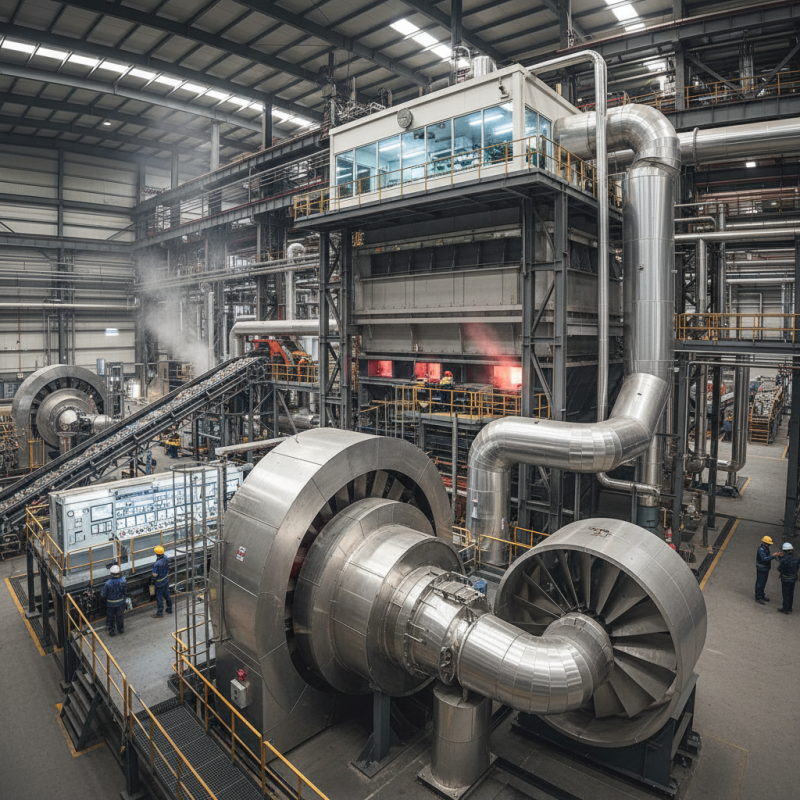
Understanding the Role of Incinerator Fans in Waste Management
In modern waste management, incinerator fans play a crucial role in ensuring effective combustion and air circulation.
These fans help maintain the necessary airflow for optimal burning of waste materials.
A well-functioning fan enhances combustion efficiency and minimizes harmful emissions, leading to greener waste disposal solutions.
According to the U.S. Environmental Protection Agency, improper airflow can result in incomplete combustion.
This, in turn, increases emissions of harmful pollutants like dioxins and furans.
Efficient incinerator fans can reduce these emissions by up to 80%.
However, selecting the right fan involves more than just performance metrics. Factors like fan type, motor size, and design must align with the specific waste composition being processed.
While data shows the overall benefits of effective incinerator fans, it is essential to acknowledge potential issues.
Regular maintenance is vital to prevent fan failures, which can disrupt operations.
Additionally, the energy consumption of these fans can be significant, ranging from 0.5 to 2 kWh per ton of waste.
Thus, a delicate balance must be struck between efficiency and sustainability in the choice of incinerator fans.
This reflection highlights the complexity of making informed decisions in waste management practices.
Key Factors to Consider When Selecting an Incinerator Fan
Choosing the right incinerator fan requires careful consideration of several key factors. Efficiency is crucial. According to the Energy Research Centre, incinerator fans can impact energy use by up to 30%. A higher efficiency fan can greatly reduce operational costs and prolong equipment life.
Airflow is another critical aspect. The required airflow largely depends on the type of waste being incinerated. For instance, solid waste typically requires a higher airflow to ensure complete combustion. Failing to account for airflow needs can lead to incomplete burning and increased emissions.
Durability also matters. Incinerator fans operate in harsh environments with high temperatures and corrosive materials. Selecting fans made from quality materials can mitigate maintenance issues. For example, stainless steel is often recommended for its resistance to corrosion. However, it’s essential to regularly inspect and maintain these fans to avoid unexpected failures. Each factor plays a pivotal role. Ultimately, understanding and choosing the right specifications can greatly enhance the incineration process.
How to Choose the Right Incinerator Fan for Your Needs?
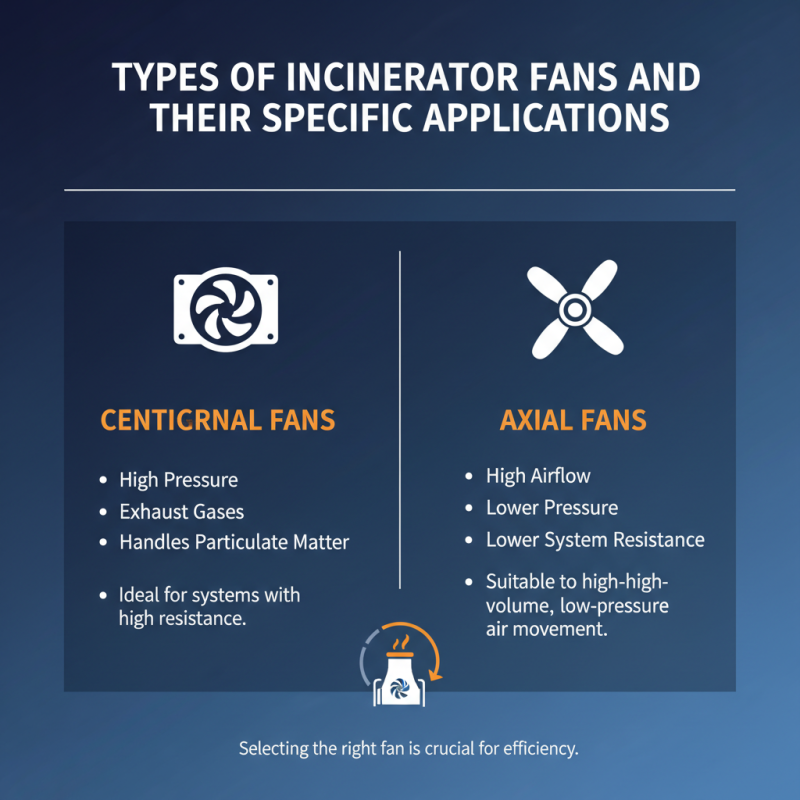
Types of Incinerator Fans and Their Specific Applications
When selecting an incinerator fan, understanding the different types available is crucial. Centrifugal fans are often used in incineration systems due to their ability to manage high pressures. They work efficiently with exhaust gases, and they can handle particulate matter. Axial fans, on the other hand, provide a higher airflow at lower pressures, making them suitable for facilities with lower resistance in their air systems.
It’s essential to match the fan type to your specific application. For example, industrial waste incineration may necessitate a fan designed to work with corrosive gases. According to a report by the International Energy Agency, the wrong type of fan can lead to increased operational costs by up to 25%. Selecting appropriately can enhance performance and longevity.
Tips: Always assess the operational environment. Corrosive materials can wear down fans quickly. Periodic maintenance and inspection are vital. Moreover, consider energy efficiency ratings; fans accounted for about 22% of global electricity consumption in industrial applications. Choosing energy-efficient fans can lead to significant savings.
Assessing Performance Metrics for Incinerator Fans
When selecting an incinerator fan, understanding performance metrics is essential. Efficiency ratings indicate how well the fan operates under specified conditions. Look for both airflow capacity and static pressure. These factors illustrate how effectively the fan can move air and manage combustion gases. High airflow ensures adequate oxygen supply, which is vital for complete incineration.
Tip: Always compare specifications, but also consider real-world performance. Sometimes, numbers on paper do not reflect actual operation.
Noise levels are another crucial metric. An efficient fan should minimize operational noise while maintaining performance. High noise can indicate inefficiencies or mechanical issues. This aspect impacts not only your work environment but also regulatory compliance. Monitoring sound levels can help identify potential problems.
Tip: Don't overlook installation ease. A fan that is complicated to install can lead to improper use, impacting efficiency. Always consider long-term maintenance needs too.
Understanding these metrics will guide you in selecting the right fan for your incinerator, ensuring optimal performance and reliability. It’s worth noting that different applications might have varying requirements, making it necessary to adapt your choice to specific needs.
Maintenance and Longevity: What to Look for in an Incinerator Fan
When selecting an incinerator fan, maintenance and longevity should be top priorities. A reliable fan ensures optimal performance and efficiency over time. You want a fan that can withstand harsh environments and deliver consistent airflow. Look for materials that resist corrosion and wear. Stainless steel construction is often recommended for durability.
Regular maintenance is vital for longevity. Examine the fan's components routinely. This includes checking bearings, electrical connections, and blades. A fan that requires minimal intervention is ideal for consistent operation. Operations can sometimes be forgotten during busy periods. However, neglect can lead to increased repair costs and downtime.
Also, consider the fan's noise levels. A quieter fan can improve the working environment. But it might also indicate lower performance. It’s essential to balance efficiency with comfort. Sometimes, a fan that seems perfect on paper may not live up to expectations. Always research user experiences and gather insights before making a decision.