Leave Your Message

How to Choose the Right Methane Blower

Choosing the right Methane Blower starts with the conditions at the inlet, not a catalog headline. Gas composition, flow rate, pressure rise, temperature, and moisture all affect performance. A unit sized for the average flow may struggle when production changes. One sized too large can waste energy and cycle poorly. Those details matter.

The selection also depends on the installation. Measure the pipework, check the available footprint, and consider noise, vibration, controls, and maintenance access. A blower should meet the required duty point while operating within its manufacturer’s limits. Ask suppliers to show performance data for your actual gas conditions, not just a general model range. Small print matters.

A practical selection principle is: “Choose for the real operating range, not a single ideal point.” This is an editorially written engineering principle, not a verified quotation. No source articles or named expert were provided, so attributing it to a specific Methane Blower specialist would be unreliable. A verified expert name and exact quotation should be added before publication. The choice deserves careful review; one assumption can change the result.
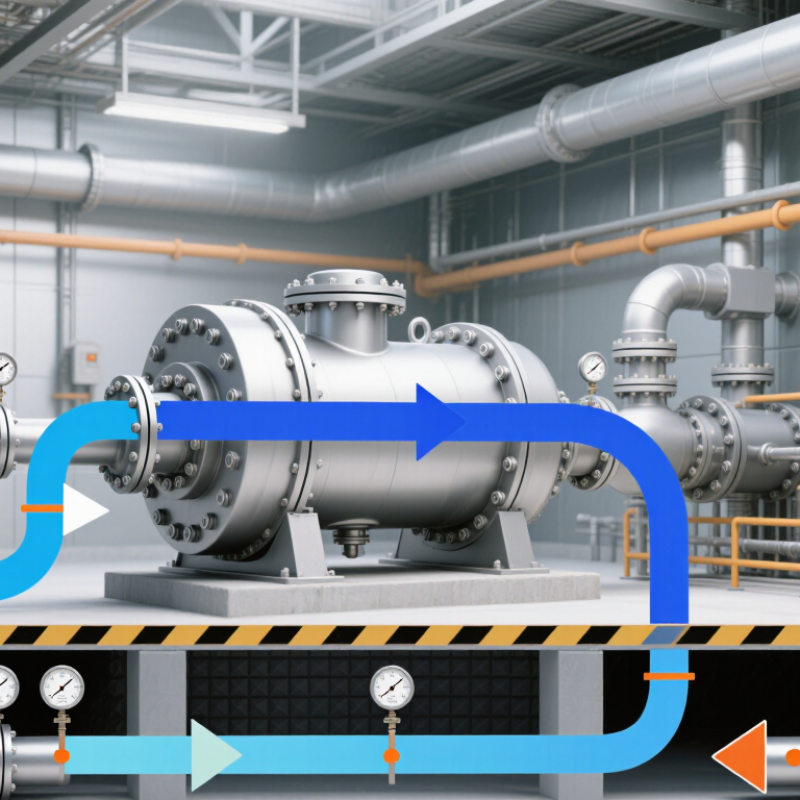
How to Choose the Right Methane Blower

Characterize the Gas: Methane’s 5–15 vol% Flammable Range in Air

Choosing a methane blower starts with the gas, not the nameplate. Methane’s flammable range in air is about 5–15% by volume, according to the NIOSH Pocket Guide to Chemical Hazards. The International Chemical Safety Card for methane reports the same limits. These figures describe methane mixed with air; they are not a safe operating target. Small differences matter. A stream below 5% can become flammable as air enters, while a concentrated stream may cross the range during dilution.

Measure composition at representative points and operating conditions. A single reading can miss startup changes, leaks, or uneven mixing. I would not treat one clean reading as the whole story. Record methane concentration, flow, pressure, temperature, and expected contaminants before comparing blower capacity. Use instruments suited to the gas and sampling location, and have qualified personnel assess the measurement plan.

The flammable range also affects equipment selection. Confirm that the blower and connected system are appropriate for the expected gas mixture, pressure, and temperature, with ignition risks addressed through the applicable engineering controls. NIOSH’s limits are useful screening data, not a substitute for site-specific hazard analysis. A blower selected from average composition alone may not reflect the conditions at startup or during process upsets.

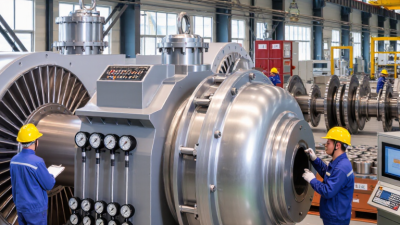
How to Choose the Right Methane Blower

Characterize the gas: methane’s approximate flammable range in air is 5–15 vol%.

The chart shows approximate methane concentration bands by volume in air. Actual flammability limits vary with conditions such as temperature, pressure, and oxygen content; use site-specific gas analysis and qualified safety guidance when selecting equipment.

Define the Duty Point: Required Flow, Inlet Pressure, and Pressure Rise

A methane blower should be selected around a measured duty point, not a single catalog flow number. Record minimum, normal, and peak flow, then note inlet pressure and required discharge pressure. Pressure rise is discharge pressure minus inlet pressure; keep both readings on the same gauge or absolute basis. Include pressure losses through piping, filters, valves, and downstream equipment. Small losses add up.

Gas composition matters. The U.S. EPA’s AgSTAR Project Development Handbook describes typical biogas as containing roughly 50–70% methane by volume. That range is a reminder to confirm the actual gas analysis and operating temperature before converting standard flow to actual flow. A neat spreadsheet can still hide a wrong assumption. Check the units twice.

Tips: Write the duty point as flow, inlet pressure, and pressure rise, with units beside every value. For example, distinguish standard cubic feet per minute from actual cubic feet per minute. Ask the supplier to check performance at minimum and peak conditions, not just the normal point. Leave room for uncertainty; field readings may be imperfect, and a design based on one clean measurement can miss real operating swings.

Account for Gas Properties: Methane’s 16.04 g/mol Molar Mass

Methane’s molar mass is 16.04 g/mol, much lower than the average molar mass of air. At the same temperature and pressure, pure methane is therefore less dense than air. This affects how much mass moves through a blower at a given volumetric flow. It is a useful starting point, not a complete selection rule.

Check the actual gas composition before sizing equipment. A stream containing carbon dioxide, water vapor, or other gases can have a different average molar mass. Temperature and inlet pressure matter too, because they change gas density.

That shortcut is tempting, and incomplete. For a practical comparison, use measured or specified gas properties with the required flow rate and pressure rise. Confirm that the blower’s performance data applies to those inlet conditions.

A unit selected for air may not deliver the expected mass flow when handling a lighter gas. Small differences can matter.

Keep operating conditions in view. If the gas temperature varies, ask how that affects density and capacity across the expected range. Check materials and sealing requirements against the gas composition and site conditions. Document assumptions, especially when the composition is estimated rather than measured.

The number is precise. The real gas may not be.

Choose Blower Type and Hazard Protection for Methane Service

Choose the blower by required flow, pressure rise, gas composition, and operating pattern. A centrifugal unit can suit high-flow, lower-pressure duties; a positive-displacement design may fit steadier flow against changing pressure. Check the full system curve, not just the blower’s rated point. Include startup, turndown, and possible liquid carryover in the review. There is no universal winner. Field conditions can surprise.

Hazard protection deserves equal attention. The NIOSH Pocket Guide to Chemical Hazards lists methane’s flammable range in air as 5–15% by volume. Keep that range in mind when assessing leak detection, ventilation, ignition sources, and area classification. Specify electrical and mechanical protection to match the site assessment, including suitable motor, instrumentation, seals, and temperature limits. Verify grounding, bearing-temperature monitoring, and safeguards against rubbing or overheating. A datasheet cannot replace a site review. Recheck assumptions with qualified safety and engineering personnel before selecting the final configuration.

Verify Performance Curves, Temperature Limits, and Motor Rating

A methane blower should be selected from its operating curve, not its maximum flow figure. Match the required flow and pressure to the curve at the actual gas composition, inlet temperature, and site pressure. Methane-rich gas is less dense than air, so an air-based curve may misstate power and capacity. Ask for the curve’s test conditions and correction method. Check the margin.

Temperature limits apply to more than the gas stream. Confirm the maximum continuous inlet temperature, ambient temperature, bearing and seal limits, and motor cooling conditions. NIOSH’s Pocket Guide to Chemical Hazards lists methane’s flammable range as 5–15% by volume in air. That makes gas composition and leak-control details important selection checks, not paperwork. Small shifts matter.

Size the motor for the blower’s absorbed power across the full operating range, including startup and any variable-speed operation. Compare the required load with the motor nameplate rating and confirm any derating for high ambient temperature or altitude. Do not rely on service factor as routine capacity; it is not a substitute for correct sizing. Record the selected duty point, temperature limits, and motor assumptions with the equipment data. The weak spot is often an unverified assumption.