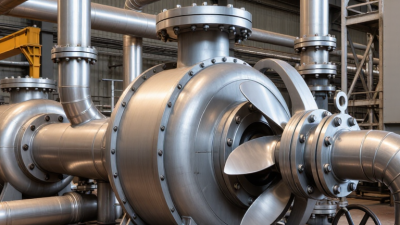
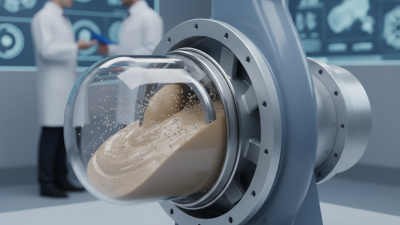
Why Choose a Phosphate Ore Pump for Mining?
Phosphate mining is moving more slurry than many outsiders realize. The U.S. Geological Survey’s Mineral Commodity Summaries 2024 estimated global phosphate rock production at approximately 220 million metric tons in 2023. This scale creates demanding conditions for mineral-processing equipment. A suitable Phosphate Ore Pump must handle abrasive solids, variable slurry density, and continuous operating cycles.
A phosphate slurry can contain fine clay, sand, and coarse rock particles. These materials quickly challenge conventional water pumps. A correctly selected slurry pump can maintain stable flow from extraction areas to washing plants, flotation circuits, and storage ponds. Its reinforced casing, wear-resistant impeller, and replaceable liners can reduce unexpected shutdowns. The choice also depends on particle size, solids concentration, pipeline length, and required discharge pressure. Small details matter. A poorly matched pump wastes energy and accelerates wear.
Industry forecasts reinforce the need for dependable phosphate infrastructure. The International Fertilizer Association’s medium-term outlook identifies continuing fertilizer demand as a major driver for phosphate supply-chain investment. USGS data also shows that production remains concentrated in several major mining regions. This concentration increases the value of reliable equipment and practical maintenance planning. However, no pump is perfect. Laboratory tests may not reproduce every field condition, especially changing slurry chemistry or seasonal water levels. Engineers should therefore combine manufacturer data, site measurements, historical wear records, and commissioning trials. Choosing a Phosphate Ore Pump is not simply a capacity decision. It is a long-term reliability decision, shaped by real operating evidence and disciplined maintenance.
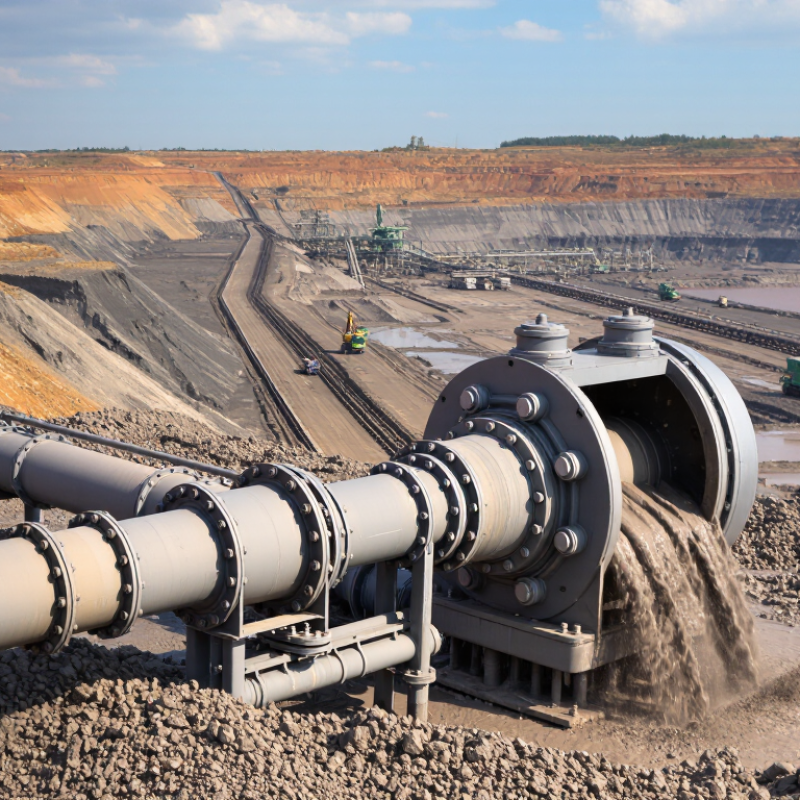
Phosphate Ore Pump Basics and Its Role in Mining
Why Choose a Phosphate Ore Pump for Mining?
Phosphate Ore Pump Basics and Its Role in Mining
Phosphate ore pumps move mineral slurry through demanding mining systems. The slurry often contains water, fine particles, coarse fragments, and abrasive silica. A standard water pump may wear quickly under these conditions. Slurry pumps use stronger wet-end materials and carefully designed passages. Their purpose is practical: maintain steady transport while limiting blockage and excessive wear.
In the mine, pumps may transfer ore from extraction areas to washing circuits. They also feed cyclones, flotation equipment, filters, and tailings lines. Pump selection depends on flow rate, pressure, particle size, slurry density, and pipeline length. Operators should measure these factors instead of relying on a general pump size. A small error can reduce efficiency.
Field experience shows that maintenance access matters as much as rated performance. Replaceable liners can shorten repair time. Proper seals help prevent leakage around the shaft. Variable-speed control may also match changing production conditions. However, no pump solves poor system design. Sharp pipe bends, unstable suction, or air entering the line can cause vibration and rapid damage.
It is not always easy.
A pump can look correct on paper and still struggle underground. Real slurry behavior changes with moisture and ore quality. Regular inspections, wear measurements, and operating records reveal these differences. Reliable phosphate ore pumping comes from matching equipment with actual site conditions, not from specifications alone.
How Phosphate Ore Pumps Improve Material Handling
Phosphate mining depends on reliable material handling, not extraction alone.
The USGS Mineral Commodity Summaries 2024 reported about 220 million metric tons of global phosphate rock production in 2023. Such volume creates constant pressure on slurry pipelines, transfer points, and processing circuits.
Phosphate ore pumps move water-rich mixtures containing abrasive rock, clay, and fine particles. Their design supports steady flow through demanding mining conditions.
A suitable pump reduces manual intervention and helps maintain stable feed rates. This matters when washing, thickening, or transporting ore over long distances.
Correct impeller selection can limit wear from sharp particles. Proper sealing also reduces leakage around the pump casing. The International Fertilizer Association’s 2024 outlook places global fertilizer demand near 200 million tonnes of nutrients in the mid-2020s. Efficient ore handling therefore supports a supply chain with little room for repeated stoppages. Still, a pump is not a magic fix. Poor slurry density control can cause blockages, vibration, or unnecessary energy use.
Tips:
Check particle size, solids concentration, pipeline length, and elevation before choosing capacity. Monitor vibration and discharge pressure weekly. Keep a wear inspection record. Small data gaps can lead to expensive decisions.
Performance, Durability, and Efficiency Advantages
Phosphate Ore Pumps: Performance, Durability, and Efficiency Advantages
Mining phosphate ore creates demanding pumping conditions. The slurry may contain hard particles, dissolved salts, and changing water levels. A purpose-built phosphate ore pump handles these variations more consistently than a general water pump.
Performance starts with steady solids movement. Proper impeller geometry reduces clogging when ore concentration rises. A stable flow also supports smoother separation and washing processes. Operators should monitor pressure, vibration, and motor load during each shift. Small changes often reveal wear before production is affected. Field maintenance teams commonly find that correct pipe sizing matters as much as pump selection.
Durability is equally important. Abrasive particles can damage liners, impellers, and seals within weeks if materials are poorly matched. Corrosion adds another risk. Wear-resistant components and accessible inspection points can extend service intervals. They also make repairs less disruptive. No pump is perfect. Actual service life depends on ore hardness, slurry density, operating hours, and maintenance quality. That assumption needs testing.
Efficiency affects both energy use and operating cost. A pump selected near its best efficiency point can deliver reliable flow with less wasted power. Variable-speed control helps adjust output when feed conditions change. However, excessive throttling may hide an unsuitable pump choice. Measuring flow and power over time gives engineers stronger evidence than relying on initial estimates. Clean intake conditions help, too. Small details count.
Phosphate ore slurry pumps are designed to handle abrasive solids and high-density mixtures. The chart shows a typical operating profile: hydraulic efficiency remains strongest at moderate solids concentration, while power demand increases as slurry density rises. Actual performance depends on particle size, mineral hardness, pump size, pipeline layout, and operating speed.
Choosing the Right Phosphate Ore Pump for Your Operation
Why Choose a Phosphate Ore Pump for Mining?
Choosing the right phosphate ore pump starts with the slurry, not the pump name. Measure ore concentration, particle size, temperature, pH, and abrasive content. These details shape the required flow rate and discharge head. A pump designed for clean water may fail quickly in dense phosphate slurry. The casing, impeller, and wet-end materials should resist continuous abrasion. Mechanical seals also need protection from fine solids. Do not rely only on a catalog rating. Field conditions often differ from laboratory figures.
Tips: Record flow and pressure during each shift. Check vibration, seal leakage, and motor load. Keep a sample of the slurry for wear analysis. Small changes can reveal a serious problem.
For a reliable selection, compare the pump’s duty point with real operating data. Oversizing may increase energy use and reduce efficiency. Undersizing can cause blockages, overheating, and unstable production. Variable-speed control may help when feed conditions change during the day. Easy access to liners and impellers can reduce maintenance delays. Ask for wear-life estimates based on similar slurry conditions, not vague promises. A trial installation is valuable when the ore varies by pit or season. It may cost more initially. Still, it can prevent repeated shutdowns. One point deserves reflection: maximum capacity is not always the best choice. Stable performance, manageable maintenance, and predictable operating costs usually matter more.