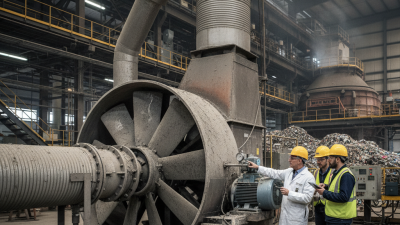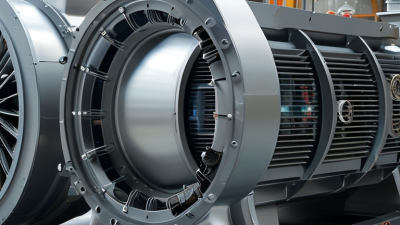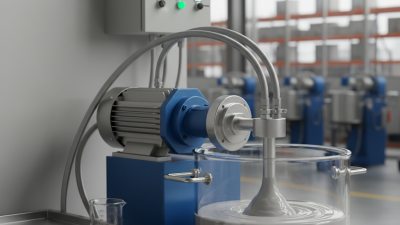
Industrial facilities often depend on steady airflow to control emissions, manage odors, and support oxidation processes. An Oxidation Blower delivers this airflow with controlled pressure and dependable operation. In a wastewater plant, for example, it may push air through a packed-bed biofilter while pumps run continuously nearby. In a thermal oxidation system, it can support combustion air and maintain stable process conditions.
The choice is not simply about selecting the largest motor. Engineers must evaluate airflow volume, discharge pressure, gas temperature, dust exposure, humidity, and operating hours. A properly sized Oxidation Blower can improve process stability and reduce avoidable energy use. It may also support safer equipment operation by maintaining consistent airflow during changing production loads. However, the best specification should come from measured system data, not a catalogue estimate.
Field experience shows that small details matter. Poor duct design can create pressure losses. Inadequate filtration can damage internal components. Excessive vibration may reveal alignment or foundation problems before a serious failure occurs. Routine inspections should include bearings, belts, filters, seals, noise, and motor temperature. That lesson is easy to miss.
Reliable manufacturers normally provide performance curves, material information, testing records, and maintenance guidance. These documents help plant teams compare equipment with greater confidence. Still, no blower suits every installation. Site conditions change, and early assumptions can prove incomplete. A professional review should therefore consider lifecycle cost, access for servicing, control compatibility, and future capacity. Choosing an Oxidation Blower carefully can create a more stable, efficient, and maintainable industrial system. Performance depends on the whole installation.
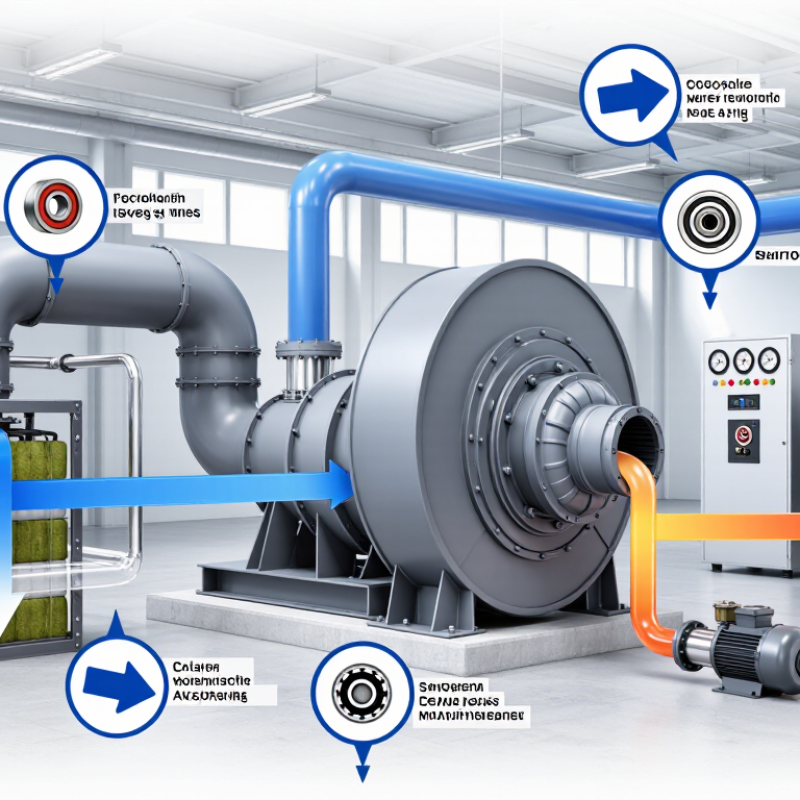
An oxidation blower supplies air to biological treatment basins. It does not oxidize pollutants by itself. Instead, it pushes oxygen through fine-bubble diffusers, where microorganisms consume oxygen and break down organic matter. The blower usually includes a motor, intake filter, pressure controls, and a variable-speed drive.
Control matters. Too little air can lower dissolved oxygen and weaken treatment. Too much air wastes electricity and may disturb settling. U.S. EPA guidance reports that aeration can consume 45–75% of a wastewater plant’s total energy. That figure explains why blower selection affects both operating cost and process stability. Actual consumption varies with basin depth, diffuser condition, water temperature, and loading.
Small details matter. A clogged filter raises pressure. Aging diffusers create larger bubbles and reduce oxygen transfer. Operators often monitor dissolved oxygen, airflow, discharge pressure, and motor power together. The U.S. Department of Energy’s Better Buildings resources also identify aeration optimization as a practical efficiency opportunity in wastewater facilities. Positive-displacement blowers suit steady, higher-pressure duty, while turbo or centrifugal units can perform well with changing airflow. However, equipment curves must match real operating conditions. A perfect datasheet choice can fail after seasonal loading changes. Field measurements remain essential, and I would not treat a single efficiency percentage as universal.
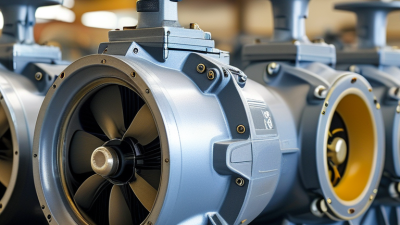
An oxidation blower supplies a controlled stream of ambient air to support combustion, thermal oxidation, biological treatment, and other industrial oxidation processes. The chart shows the typical volumetric composition of dry atmospheric air delivered by the blower.
Oxygen is the active component that enables oxidation, while nitrogen and argon mainly act as carrier gases. Industrial blowers help maintain the airflow and pressure required for stable, continuous operation. Values shown are standard approximate dry-air volume fractions at sea-level conditions.
An oxidation blower delivers controlled air to thermal, catalytic, or regenerative oxidizers. That airflow supports stable combustion and more consistent pollutant destruction. In field operation, a correctly sized blower prevents oxygen swings, flame instability, and uneven chamber temperatures. The result is steadier exhaust treatment during load changes.
Energy control is another practical advantage. The U.S. Department of Energy’s Fan System Assessment Tool materials estimate that fan systems can consume about 15% of manufacturing electricity. Variable-speed control, low-leakage ducting, and accurate pressure selection can reduce wasted power. Small improvements matter. A blower running far above the required pressure quietly drains the budget.
Reliable airflow also supports compliance monitoring. EPA AP-42 guidance recognizes excess air and operating conditions as important factors in combustion emissions. Sensors, alarms, and maintenance records help operators connect blower performance with actual stack results. The IEA’s Energy Efficiency 2023 report places industry near 37% of global final energy demand, so auxiliary equipment deserves serious measurement. Real plants are not tidy. Filters clog, dampers drift, and demand changes faster than design documents suggest. Operators should verify airflow, vibration, temperature, and motor load under real production conditions. Oversizing still happens, and it is an expensive habit.
Why Choose an Oxidation Blower for Industrial Use?
Common Applications Across Industrial Processes
An oxidation blower supplies controlled airflow where oxygen supports a planned chemical or biological reaction. In wastewater treatment, operators use blowers for aeration basins and biological reactors. Fine bubbles keep microorganisms active and help reduce dissolved pollutants. A stable airflow also prevents dead zones, sludge settling, and uneven treatment. Small changes matter.
Industrial effluent systems often contain oils, solvents, or corrosive vapors. Blower selection must consider gas composition, moisture, pressure, and continuous operating hours. Stainless components or protective coatings may improve service life, but only when matched to the actual environment. Guesswork creates expensive failures.
Oxidation blowers also support combustion air in furnaces, kilns, and thermal processing lines. Controlled air improves temperature consistency and can reduce incomplete combustion. Chemical plants may use them for oxidation tanks, gas stripping, and process ventilation. In metal treatment, steady airflow can support surface oxidation and controlled heating. Engineers usually compare required flow, pressure loss, motor efficiency, noise, and maintenance access before installation. Field experience shows that laboratory figures do not always match dusty, humid production areas. That gap deserves attention. Operators should record vibration, outlet temperature, pressure, and energy use after commissioning. These readings reveal gradual wear before production suffers.
| Industrial Application | Primary Oxidation Objective | How the Blower Is Used | Typical Airflow Range | Typical Pressure Range | Main Process Benefit | Important Design Considerations |
|---|---|---|---|---|---|---|
| Municipal and Industrial Wastewater Treatment | Supply oxygen for aerobic biological treatment and ammonia nitrification. | Delivers continuous air through submerged diffusers in aeration basins. | 100–10,000 m³/h | 300–900 mbar | Improves dissolved-oxygen control and supports stable biological treatment. | Variable-speed control, corrosion resistance, noise control, and operation with diffuser backpressure. |
| Iron and Manganese Removal | Oxidize dissolved iron and manganese so they can be filtered from water. | Injects air into oxidation tanks, contactors, or water treatment channels. | 20–1,500 m³/h | 150–600 mbar | Reduces chemical oxidant demand and supports consistent pretreatment. | Air-to-water ratio, contact time, venting, and prevention of excessive foaming. |
| Biological Odor Control | Provide oxygen for biofilters and biotrickling filters that remove reduced sulfur compounds and volatile organic compounds. | Moves contaminated air through a biologically active filter bed. | 500–20,000 m³/h | 100–500 mbar | Maintains airflow for microbial activity and helps control emissions. | Gas composition, moisture, pressure drop across media, and protection from corrosive contaminants. |
| Fermentation and Bioprocessing | Maintain aerobic conditions for microorganisms, enzymes, or cell cultures. | Supplies clean process air to fermenters through sterile filtration and sparging systems. | 10–1,000 m³/h | 200–700 mbar | Supports oxygen transfer, product consistency, and controlled microbial growth. | Oil-free air, sanitary materials, sterile filtration, temperature control, and pulsation limits. |
| Combustion and Furnace Air Supply | Provide combustion air for burners, heaters, kilns, and thermal oxidizers. | Delivers controlled air volume to improve fuel-air mixing and combustion stability. | 500–30,000 m³/h | 200–1,000 mbar | Improves combustion control and can reduce incomplete combustion products. | High-temperature isolation, stable flow, burner turndown requirements, and combustion safety interlocks. |
| Soil and Groundwater Remediation | Increase oxygen availability for aerobic biodegradation of petroleum hydrocarbons and other contaminants. | Injects low-pressure air into soil, wells, or biological treatment systems. | 50–2,000 m³/h | 100–700 mbar | Enhances in-situ treatment without requiring high-pressure compressed air. | Soil permeability, well layout, vapor management, moisture, and contaminant compatibility. |
| Aquaculture and Fish Farming | Maintain dissolved oxygen for fish, shellfish, and biofilter microorganisms. | Supplies air to diffusers, aeration grids, or oxygenation equipment in tanks and ponds. | 20–3,000 m³/h | 100–500 mbar | Supports animal health, feed conversion, and water-quality stability. | Low noise, continuous-duty reliability, humidity management, and easy cleaning of air lines. |
| Paper, Pulp, and Textile Processing | Support oxidation, drying, flotation, and air-assisted process operations. | Provides controlled low-pressure air to flotation cells, dryers, and chemical treatment stages. | 300–15,000 m³/h | 150–800 mbar | Improves air distribution and process uniformity while avoiding unnecessarily high pressure. | 湿气 and fiber contamination control, washdown protection, temperature, and variable production loads. |
| Food and Beverage Waste Treatment | Supply oxygen for high-strength wastewater and organic-residue treatment. | Feeds aeration basins, equalization tanks, and biological treatment reactors. | 100–8,000 m³/h | 250–900 mbar | Handles fluctuating organic loads and helps reduce odors and untreated discharge. | Sanitary surroundings, washdown resistance, automatic control, and allowance for seasonal load changes. |
Note: Airflow and pressure values are representative preliminary-design ranges. Final blower selection depends on elevation, temperature, gas composition, diffuser or equipment pressure loss, control range, and applicable safety requirements.
Why Choose an Oxidation Blower for Industrial Use?
How to Select the Right Oxidation Blower
Choosing an oxidation blower starts with process conditions, not catalog size. Define required airflow, discharge pressure, gas temperature, moisture, and corrosive compounds. For biological oxidation, confirm oxygen transfer at the actual basin depth. For thermal oxidation, check combustion-air stability and pressure loss across the chamber. The U.S. Department of Energy’s Improving Fan System Performance report states that fan systems can represent about 10% of manufacturing electricity use. Efficiency matters.
Do not select a blower only by peak flow. Measure normal, minimum, and future demand. A unit operating far below its design point may waste power and create unstable control. Variable-speed operation can improve turndown, but its value depends on the motor, drive, and control strategy. EPA’s Wastewater Management Fact Sheet: Energy Conservation reports that aeration may consume 45–75% of wastewater-treatment energy. That figure makes oxygen control worth careful review. Still, a calculation can look correct on paper and fail during cold starts or humid nights.
Tips: Request a complete performance curve. Check sound, vibration, inlet filtration, service access, and standby capacity. Compare wire-to-air efficiency, not only motor efficiency. Ask for test conditions and tolerances. Leave practical margin, but avoid excessive oversizing. A smaller footprint is not always a better installation.
An oxidation blower performs reliably when installation matches the process demand. Place it on a rigid, level foundation that limits vibration and movement. Leave clear access around filters, belts, bearings, and electrical connections. Keep intake air clean, dry, and away from corrosive vapors. A short, properly supported discharge line reduces pressure loss. Include isolation valves, a pressure gauge, and suitable backflow protection.
Commissioning should begin with a brief rotation check. Confirm the motor direction before applying full load. Gradually open the discharge valve and compare airflow, pressure, current, and noise with design values. Watch the first operating hours closely. Unusual heat or pulsing may indicate a blocked filter, poor alignment, or unstable process demand. Small changes matter.
Maintenance records should include operating hours, vibration readings, filter condition, lubrication, and motor temperature. Inspect flexible connectors for cracking. Check fasteners after initial operation, because settling can loosen them. Clean intake filters before they visibly collapse. That mistake is common. Bearing lubrication must follow the equipment specification; excessive grease can also create heat. I have found that operators often trust sound alone, but a blower can deteriorate quietly. Trend data offers better evidence. No checklist is perfect. Review it after every shutdown, especially when dust, moisture, or corrosive gases enter the system.