What is an Underflow Pump and How Does It Work?
In the world of industrial fluid management, the underflow pump plays a vital role. Experts like Dr. John Simmons, a leading figure in fluid dynamics, state, "The efficiency of an underflow pump can make or break a project." This highlights the importance of understanding how underflow pumps operate and their applications.
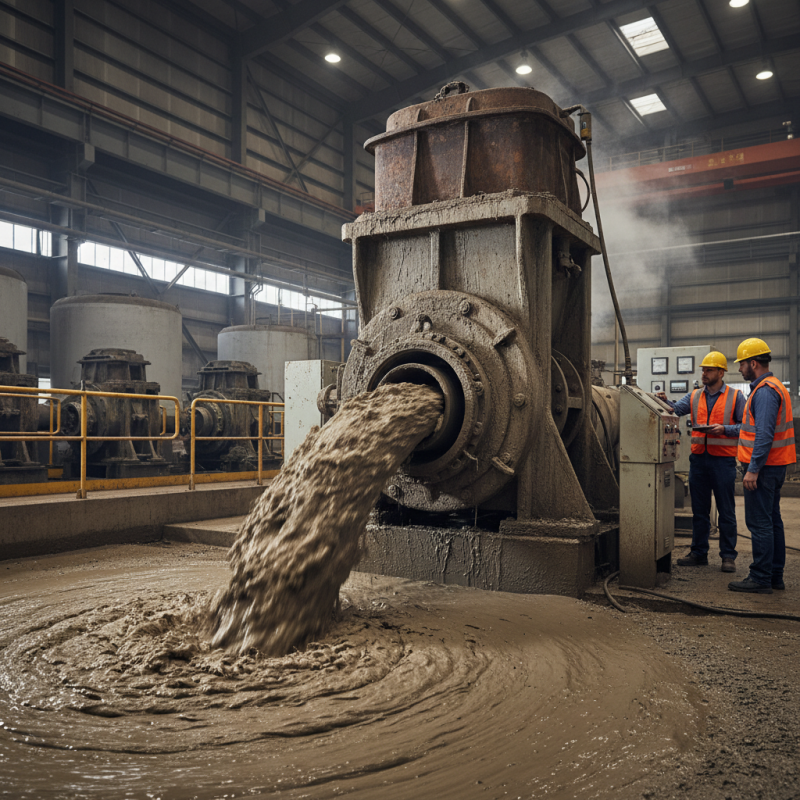
Underflow pumps are specifically designed to handle the challenging task of moving dense slurries. These pumps are essential in mining, wastewater treatment, and many other sectors. Their unique construction allows them to manage high solids content effectively.
However, the operation of underflow pumps is not without its challenges. Issues such as wear and tear on components can lead to decreased performance over time. It's crucial for engineers and operators to monitor these pumps carefully. Understanding functionality and potential pitfalls is key to optimizing efficiency.
What is an Underflow Pump?
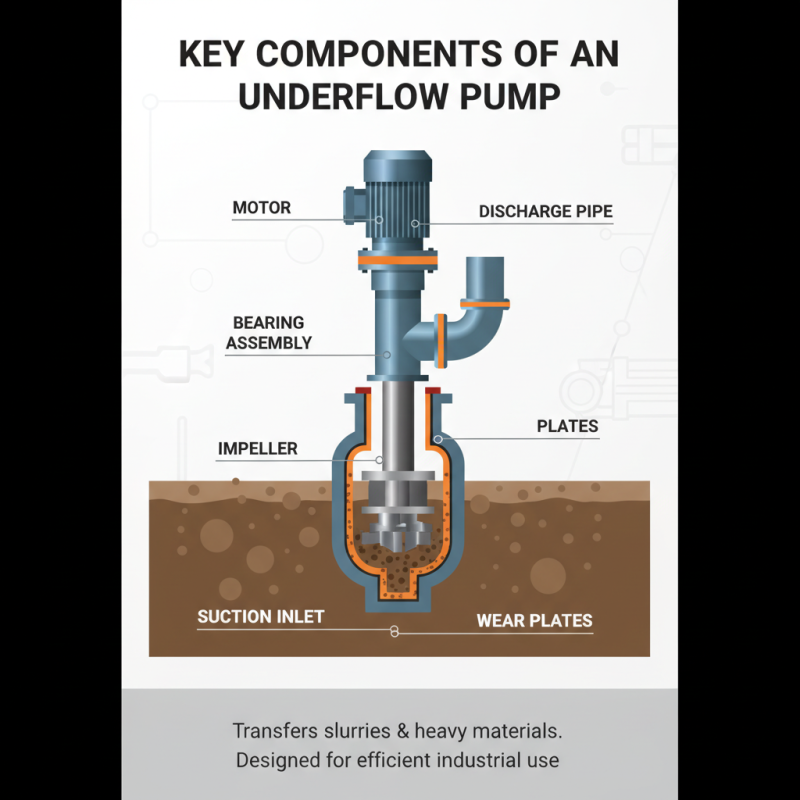
An underflow pump is a specialized type of pump designed to remove liquid from a tank or container. It is commonly used in various industries, including mining and wastewater treatment. These pumps efficiently handle dense slurries and concentrated materials. Unlike traditional pumps, underflow pumps are built to manage thicker fluids without clogging.
The operation of an underflow pump is quite fascinating. It utilizes gravity and pressure to move materials. The pump is usually installed at the bottom of a tank, where it captures the heaviest materials. This positioning is crucial. It ensures that only the densest materials are drawn in. High efficiency is achieved, but sometimes, they can struggle with varying densities.
In practical applications, maintenance is vital. Clogged filters can hinder performance. Regular checks are essential. Neglecting these issues can lead to costly downtime. Users may not always realize the importance of this. Effectively, while underflow pumps are robust, they require diligent care to function optimally.
How Underflow Pumps Operate: A Step-by-Step Process
Underflow pumps play a crucial role in various industrial applications. They are designed to efficiently move liquid from one layer to another, often in processes involving sedimentation. Understanding how these pumps operate can help in optimizing their use.
The operation of an underflow pump begins with the collection of slurry from a settling tank. This slurry typically contains liquid and solid materials. A feed mechanism draws the slurry into the pump. This is an important step; if the feed is inconsistent, it can lead to inefficiencies. After entering the pump chamber, the slurry is subjected to pressure, pushing it through the discharge line.
As the liquid flows, the pump helps to separate solids from the liquid. This is not always perfect; sometimes, small particles may still escape. Adjusting the pump settings can minimize this issue. The final stage involves the delivery of the separated liquid to a designated storage area. If the pump is mismanaged, it can cause overflow or equipment wear. Regular monitoring and maintenance are essential to ensure optimal performance.
Common Applications of Underflow Pumps in Industries
Underflow pumps are crucial in various industrial applications. They efficiently move slurries and dense mixtures. This makes them popular in mining, wastewater treatment, and Agriculture.
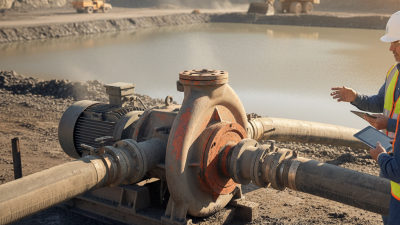
In mining, underflow pumps transport tailings. Tailings are the waste materials left after the extraction of valuable minerals. Using these pumps minimizes environmental impact and maximizes resource recovery.
In wastewater treatment, these pumps handle thick sludge. They ensure a consistent flow rate, preventing clogs in the system. Agriculture also benefits from underflow pumps. They can manage liquid fertilizers, enhancing crop growth. Each application showcases the pump's efficiency and versatility.
However, it is essential to monitor the pumps closely. Operators can overlook maintenance, leading to failures. Regular checks can prevent costly downtimes and improve performance.
Advantages and Limitations of Using Underflow Pumps
Underflow pumps play a crucial role in various industrial processes. They efficiently transfer liquids from one area to another. However, they come with their own set of advantages and limitations.
One significant advantage of underflow pumps is their capacity for handling thick slurries. They can transport materials with high viscosity, which may be challenging for other pump types. This makes them ideal for industries like mining and waste management. Additionally, their design allows for minimal maintenance, reducing downtime and operational costs. Yet, these advantages can sometimes lead to over-reliance. If a facility depends solely on underflow pumps, issues may arise during extreme conditions.
On the downside, underflow pumps can encounter performance issues with low-viscosity fluids. They may struggle, leading to inefficiencies and potentially damaging other equipment. Often, users do not account for the specific flow characteristics of their materials. Moreover, the initial cost can be higher compared to traditional pumps. This can present budgeting challenges for smaller operations. Balancing costs and benefits is crucial for effective planning.
What is an Underflow Pump and How Does It Work? - Advantages and Limitations of Using Underflow Pumps
| Feature |
Details |
| Definition |
An underflow pump is a device used to move fluids with solid particles from a lower height to a higher height, often used in mining and wastewater treatment. |
| Working Principle |
Utilizes a rotary mechanism to create pressure differences, transporting slurry through pipelines. |
| Advantages |
Efficient in moving large volumes of slurry, capable of handling high solid concentrations, and can be operated in various environments. |
| Limitations |
May be prone to wear and tear due to abrasion from solids, can require significant energy input, and maintenance can be complex. |
| Common Applications |
Used in mining, mineral processing, dredging, and in various industrial wastewater management systems. |
| Maintenance Considerations |
Regular inspection and replacement of worn parts, ensuring proper lubrication of moving components, and monitoring for blockages and leaks. |