What is an Overflow Pump and How Does it Work?
In the world of fluid management, the Overflow Pump plays a critical role. Experts like Dr. John Miller, a renowned hydraulic engineer, emphasize its importance. He once stated, “An efficient overflow pump is vital for maintaining balance in fluid systems.” Understanding how these pumps operate can help businesses prevent costly failures.
Overflow Pumps are designed to handle excess fluid, ensuring systems function smoothly. They protect against overflow situations, which can lead to significant damage. With their ability to redirect fluids, these pumps minimize the risk of spills and equipment malfunction. However, not all Overflow Pumps are created equal. The effectiveness of a pump depends on its design and application.
Many people overlook the technical details that influence performance. For instance, the pump's capacity, materials, and maintenance are crucial factors. Regular assessments can prevent unexpected breakdowns. Industry professionals must emphasize these points for better reliability in overflow management. Understanding the mechanics behind an Overflow Pump is essential for optimal performance.
What is an Overflow Pump?
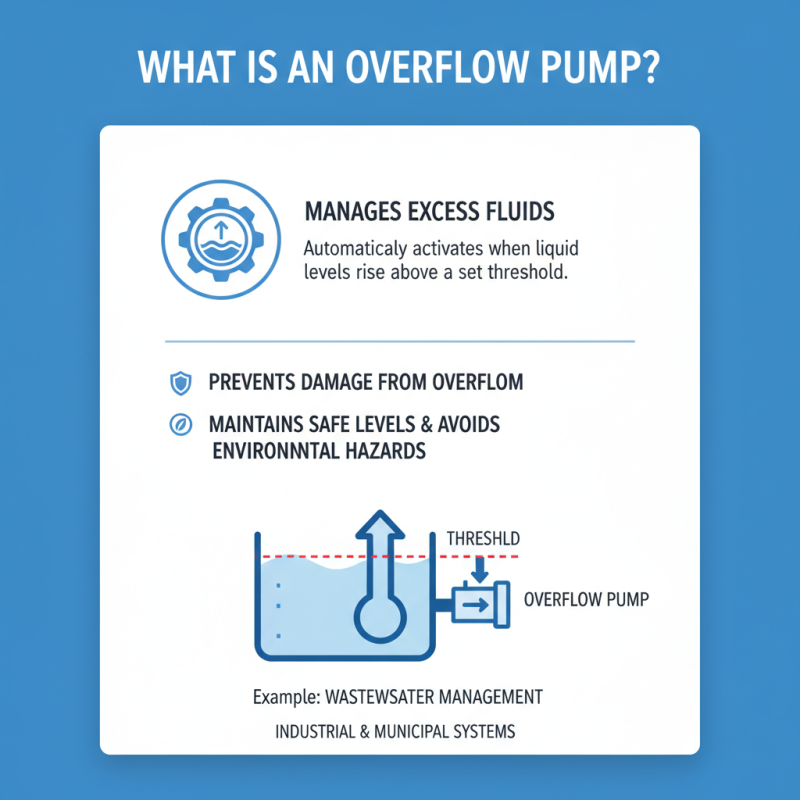
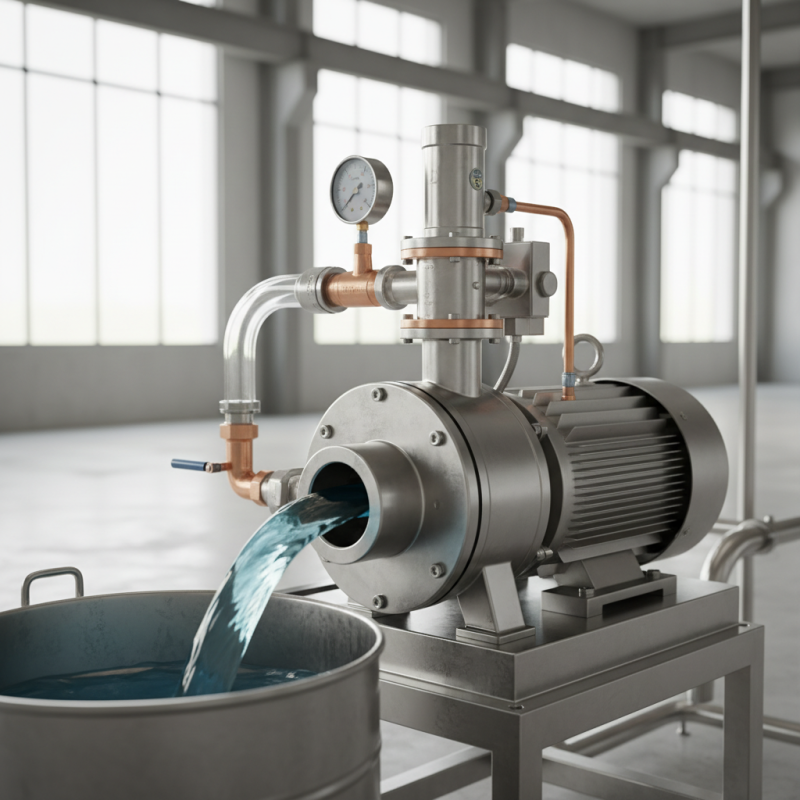
An overflow pump is a vital component in many industrial and municipal systems. It serves the primary purpose of managing excess fluids. When liquid levels rise above a specific threshold, the overflow pump activates automatically. This action helps prevent potential damage from an overflow condition. For instance, in wastewater management, these pumps are crucial for maintaining safe levels and avoiding environmental hazards.
The mechanism of an overflow pump is relatively straightforward. It typically includes a float switch that senses liquid levels. Once triggered, the pump draws excess fluid away to a designated area, often a holding tank. This process ensures that systems remain functional and efficient, even during heavy rainfall or system overloads. However, relying solely on these pumps can lead to complacency. Regular maintenance checks are essential to prevent failures. Pumps can wear or malfunction over time, and this risk can be overlooked. Inadequate inspection could result in significant issues later on.
Learning about overflow pumps highlights their importance, yet it also exposes potential areas for improvement. Many systems could benefit from enhanced monitoring technology or backup pumps. These upgrades could significantly mitigate risks associated with overflow scenarios. Ultimately, understanding overflow pumps underlines the need for vigilance and proactive measures in fluid management systems.
Principle of Operation for Overflow Pumps
Overflow pumps play a critical role in various fluid management systems. Their main function is to handle excess fluid, preventing overflow and potential damage to infrastructure. Understanding their operation principle can help industries maintain efficiency.
The principle of operation for overflow pumps involves sensing fluid levels. When fluid reaches a specific threshold, the pump activates. This mechanism uses a float switch or a pressure sensor to detect levels accurately. Reports from industry experts highlight that effective overflow management reduces spillage by up to 85%. This efficiency translates to lower operational costs and minimized environmental impact.
Tip: Regular maintenance checks can enhance the reliability of overflow pumps. Inspecting float switches can prevent malfunctions. Ensure that your pump system adheres to local regulations for optimal performance.
In addition, the selection of materials and pump types directly affects performance. Not every pump suits every application. Factors like fluid viscosity and temperature should be considered. Mistakes in choosing can lead to failures, reflecting the importance of proper assessment.
Components of an Overflow Pump System
An overflow pump is a vital part of many fluid management systems. It helps to manage excess fluid during operations. Understanding its components can enhance efficiency and reliability.
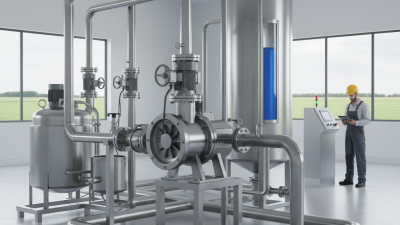
A typical overflow pump system includes several key components. The pump itself is designed to move fluids effectively. It connects to a motor that drives the pumping action. Hoses or piping carry the fluid to and from tanks or reservoirs. Sensors monitor fluid levels, activating the pump when needed. This automated system minimizes the risk of spills.
Tip: Regularly check all components for wear and tear. An overlooked hose can lead to operational issues.
Another important aspect is maintaining the control panel. This central hub manages the flow and monitors performance. Ensure that all settings are correctly calibrated for your specific needs. Sometimes, incorrect settings can cause inefficiencies.
Tip: Document any adjustments made to the control panel. This helps in diagnosing future issues.
While overflow pumps are reliable, they are not foolproof. Regular maintenance and monitoring can prevent problems. Consider creating a maintenance schedule that keeps everything running smoothly.
Applications of Overflow Pumps in Various Industries
Overflow pumps play a crucial role across various industries. In wastewater management, for instance, these pumps are essential. They help manage excess water during storms or heavy rainfall, avoiding hazardous floods. According to a 2022 report from the Water Environment Federation, overflow pumps can reduce the risk of overflow events by up to 30%. This is significant, considering that improper management can lead to massive environmental damage.
In the oil and gas industry, overflow pumps are vital for maintaining safety and efficiency. They manage overflow from tanks and pipelines, preventing spills that could damage delicate ecosystems. Data from the American Petroleum Institute highlights that effective overflow systems can minimize incidents by approximately 40%. This not only preserves the environment but also saves companies from costly fines and repairs.
The agricultural sector also benefits from these pumps. They are used for irrigation, especially in regions prone to flooding. Proper overflow management can increase crop yield by 15%, according to recent studies. However, some farms still lack adequate systems, risking their water resources. This illustrates a need for ongoing investment and improvement in overflow pump technology to enhance efficiency and safety across all applications.
Maintenance Tips for Ensuring Efficient Overflow Pump Performance
Proper maintenance of an overflow pump is crucial for its performance. According to the Fluid Handling Industry Report, regular checks can extend a pump's lifespan by 30%. Inspecting seals and gaskets is vital, as wear can lead to leaks. Observe for any abnormal vibrations during operation; they often indicate misalignment or wear in components. Address these issues promptly to avoid costly repairs.
Cleaning the pump regularly helps remove debris. Build-up can restrict flow and increase energy costs. Studies indicate that pumps operating under optimal conditions consume up to 25% less energy. Scheduling annual professional inspections can identify potential failures before they escalate. This proactive approach ensures reliability and efficiency.
Ignoring signs of wear and tear can result in system failures. Understanding your pump’s operating environment is essential. An overflowing tank can lead to significant operational disruptions. Data suggests that companies lose an average of $250,000 annually due to pump failures. A simple maintenance routine can significantly mitigate these risks.
Overflow Pump Efficiency Over Time