What is a Mixing Pump and How Does it Work?
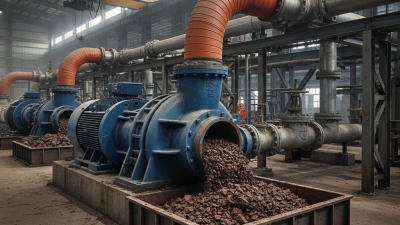
Mixing pumps play a crucial role in various industries. They ensure the proper blending of liquids and solids, improving process efficiency. Recently, a report from the Fluid Mixing Association highlighted that over 30% of production inefficiencies stem from inadequate mixing. This fact underscores the importance of optimizing mixing pump systems.
According to Dr. Robert Simmons, a leading expert in fluid dynamics, "The effectiveness of a mixing pump directly impacts product quality and operational cost." His insights reflect the industry's growing acknowledgment of mixing technology. As companies strive to enhance their productivity, understanding mixing pump operation becomes essential.
However, achieving optimal mixing is not without challenges. Designers often grapple with the trade-offs between pump speed and energy consumption. Furthermore, improper calibration can lead to significant performance issues. Recognizing these pitfalls is vital for industry professionals who seek reliable solutions. The evolution of mixing pump technology continues to shape the future of multiple sectors.
What is a Mixing Pump? Definition and Key Features
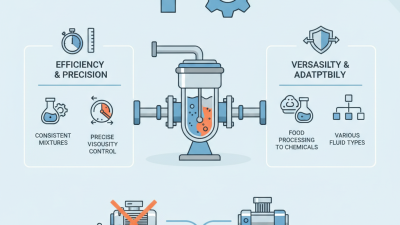
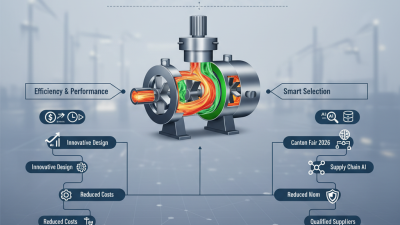
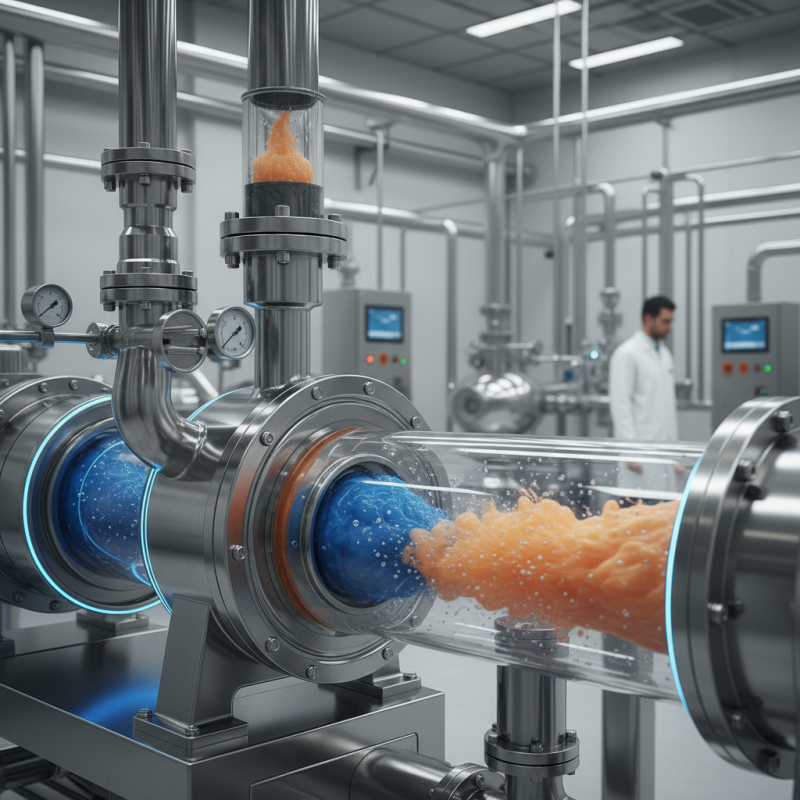
A mixing pump is a specialized device designed to blend fluids, slurries, or other materials with varying densities and viscosities. Narrowing down its components, mixing pumps typically feature impellers, chambers, and drives that allow for optimal fluid integration. According to industry reports, the global mixing pump market is projected to grow by 5.3% annually over the next five years. This growth highlights the increasing reliance on mixing pumps across various sectors, including chemical processing and wastewater management.
Key features of a mixing pump include its ability to provide uniformity in the final product. The design enables effective mixing of solids and liquids, promoting consistent chemical reactions. For instance, a well-calibrated mixing pump in a chemical plant can drastically reduce production times by ensuring comprehensive blending. Yet, it’s essential to note that poorly designed mixing systems can lead to inefficiencies. A report by Fluid Mixing Technologies indicated that up to 30% of energy might be wasted in suboptimal setups, emphasizing the need for regular assessments and refinements.
In addition to energy efficiency, the flexibility of mixing pumps is noteworthy. These pumps can adapt to a range of applications, but that adaptability comes with a drawback. A one-size-fits-all approach may not work for every substance. Miscalculating the requisite pump specifications can result in inadequate mixing or equipment failure. Hence, industry experts recommend thorough analysis when selecting a mixing pump, aligning specifications with operational needs.
Mixing Pump Performance Analysis
This bar chart illustrates the performance metrics of a typical mixing pump, including Flow Rate, Pressure, Power Consumption, and Efficiency. These metrics are crucial for evaluating the operational capabilities of mixing pumps in various applications.
Principle of Operation: How Mixing Pumps Function in Various Industries
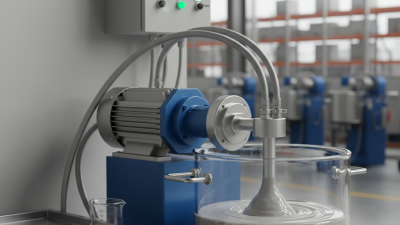
Mixing pumps play a crucial role in many industries. They are designed to combine liquids or slurries to achieve a uniform mixture. The efficiency of a mixing pump depends on its design and the specific application. Understanding how they function is essential for optimizing various processes.
In the food and beverage industry, mixing pumps ensure consistent flavors and textures. They help combine ingredients like syrups, oils, and powders. Precise control of flow rates is vital here. In the chemical sector, these pumps mix hazardous or reactive substances. Safety measures and proper materials are critical. Each application presents unique challenges.
It’s important to recognize that not all mixing pumps are the same. Some may not deliver the desired consistency, leading to inefficiencies. Operators should monitor performance regularly. Maintenance and adjustment might be necessary to achieve optimal results. A well-functioning mixing pump can significantly enhance productivity across different sectors.
Applications of Mixing Pumps in Chemical, Food, and Pharmaceutical Sectors
Mixing pumps play a vital role in various sectors, including chemical, food, and pharmaceuticals. In the chemical industry, these pumps facilitate the blending of different substances, ensuring a consistent mixture. For example, they are crucial in creating solutions with precise concentrations for reactions. Precise mixing enhances quality control, impacting the overall efficiency of production lines. Many facilities still struggle with achieving uniform blending, leading to inconsistent product quality.
In the food sector, mixing pumps help in manufacturing sauces, dressings, and beverages. These products require specific textures and flavor profiles. The right pump can consistently achieve the desired viscosity and distribution of ingredients. However, some companies may overlook maintenance, risking contamination or inconsistent results. Such oversights can compromise food safety and consumer trust.
Pharmaceutical applications demand even higher standards. Mixing pumps contribute to producing vaccines and medicines. They ensure that active ingredients are thoroughly combined for efficacy. Yet, the complexity of these processes can lead to challenges. Improper calibration or insufficient training may result in suboptimal outcomes. Continuous learning is essential in this field to address these potential flaws and improve mixing processes.
What is a Mixing Pump and How Does it Work? - Applications of Mixing Pumps in Chemical, Food, and Pharmaceutical Sectors
| Application Sector |
Function of Mixing Pump |
Common Uses |
Pump Types |
Key Benefits |
| Chemical |
Homogenizing and dispersing chemicals |
Mixing paints, dyes, and coatings |
Centrifugal and positive displacement pumps |
Consistent quality, energy efficiency |
| Food |
Blending ingredients for consistent texture |
Making sauces, emulsions, and purees |
Sanitary pumps and mixers |
Hygienic design, improved shelf life |
| Pharmaceutical |
Ensuring uniformity in drug formulation |
Mixing active ingredients and excipients |
Aseptic mixing systems |
Regulatory compliance, precision |
Technical Specifications: Flow Rates, Pressure, and Efficiency Metrics
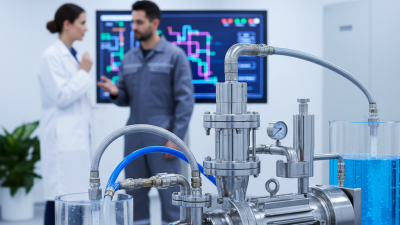
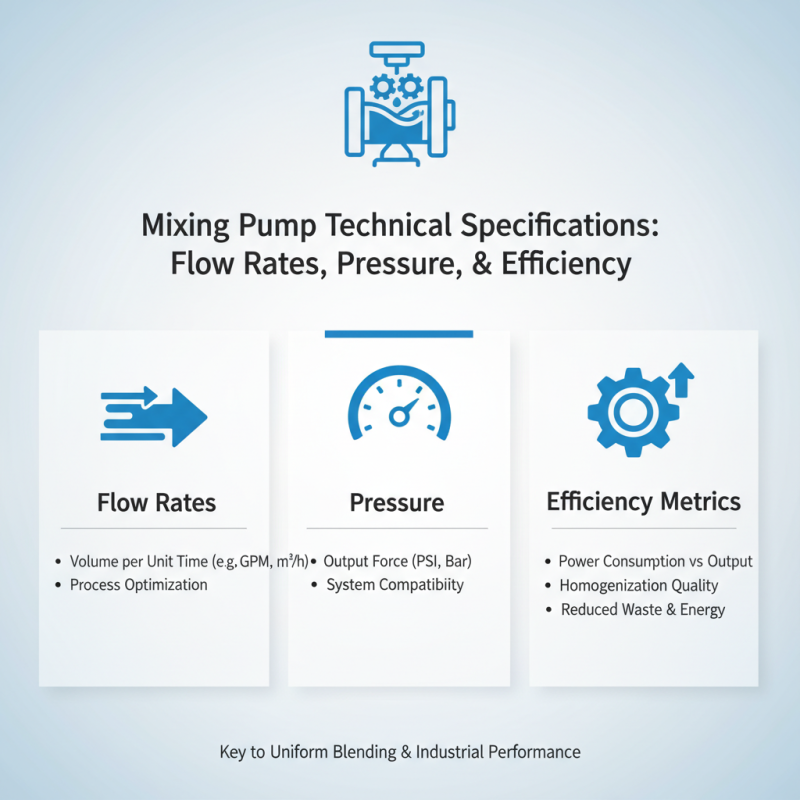
Mixing pumps play a vital role in various industries. Their efficiency often depends on flow rates, pressure, and design. These pumps blend liquids effectively, ensuring a homogenous mixture for processes like chemical reactions or food production.
Flow rates vary significantly in mixing pumps. They can range from low to high, depending on the application. A pump designed for cosmetics might have a lower flow rate, while one used in oil refining requires a much higher rate. Understanding the specific flow requirements is crucial for optimal performance. Additionally, pressure measurements provide insights into pump efficiency. High pressure can lead to better mixing but may also require more energy.
Efficiency metrics are essential when evaluating mixing pumps. Operators should monitor energy consumption and output quality. Regular assessment reveals potential issues. Inefficient pumps might waste energy, raising operational costs. It's beneficial to analyze and adjust pump settings periodically to maintain desirable performance levels. Engaging in this reflective practice ensures the pump operates at its best, improving overall process quality.
Advantages and Limitations of Using Mixing Pumps in Industrial Processes
Mixing pumps play a crucial role in various industrial processes. They ensure that materials are mixed uniformly, providing consistent product quality. These pumps blend liquids, slurries, and other substances, facilitating efficient production. However, they come with both advantages and limitations.
One key advantage of using mixing pumps is their efficiency. They reduce time and labor costs by automating the mixing process. Consistency in the output can enhance product reliability. Additionally, these pumps can handle a range of materials, from viscous liquids to particulate slurries. But, they may struggle with very dense or abrasive materials. This can cause wear and tear, leading to higher maintenance costs over time.
Tips: Regular maintenance checks are essential for longevity. Monitor the pump's performance to catch issues early. Consider the material characteristics before selecting a mixing pump to avoid unexpected challenges. Be aware that some mixing pumps may not achieve the desired mixing quality unless correctly calibrated. Balancing efficiency with the right equipment is key to successful mixing operations.