What is a Metal Slurry Pump and How Does It Work?
A Metal Slurry Pump is a vital component in various industrial processes. It is specifically designed to handle abrasive and viscous materials, common in mining, metal processing, and wastewater management. Understanding its function helps in optimizing operational efficiency.
These pumps use centrifugal force to move slurry mixtures, which may contain solid particles and liquids. The design is crucial for maintaining durability under harsh conditions. Different applications may require different specifications, highlighting the importance of careful selection.
In industries, the reliability of a Metal Slurry Pump directly affects productivity. An effective pump reduces downtime and maintenance costs. However, not all pumps perform equally, so assessing quality and operational needs is essential. Companies should reflect on their existing systems to enhance performance.
Definition and Purpose of Metal Slurry Pumps
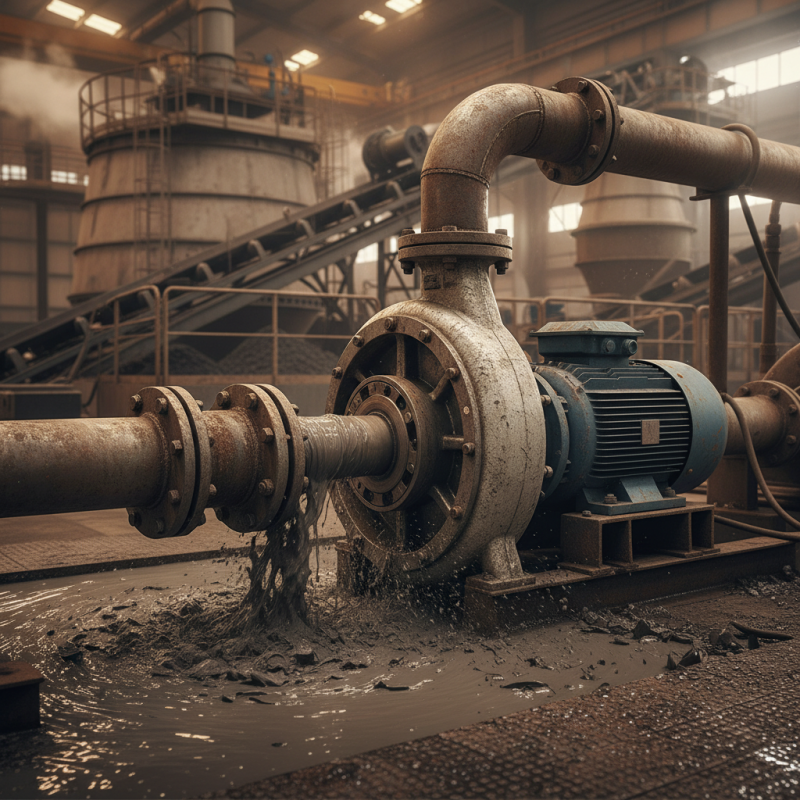
Metal slurry pumps play a crucial role in various industries, particularly in mining and mineral processing. These pumps are specifically designed to handle abrasive and viscous materials that are often found in slurry form. The primary purpose of a metal slurry pump is to transport these materials efficiently, minimizing wear and tear while maintaining operational effectiveness.
The components of a metal slurry pump are engineered to withstand harsh conditions. The impellers and casings are often made of high-quality metals. This construction helps prevent damage from the abrasive properties of the slurry. It’s essential to choose the right pump type based on the specific characteristics of the slurry being transported. Not all pumps can handle all materials equally well.
Tips: Always monitor the pump's performance regularly. This helps to identify any issues early. Additionally, ensure proper maintenance routines are in place. Neglecting maintenance can lead to significant operational delays and costs. Understanding the specific needs of your slurry can make a big difference in pump selection. Choosing the right pump for your application is vital. Sometimes, bigger isn't always better. Consider efficiency over size for optimal results.
Components and Design of Metal Slurry Pumps
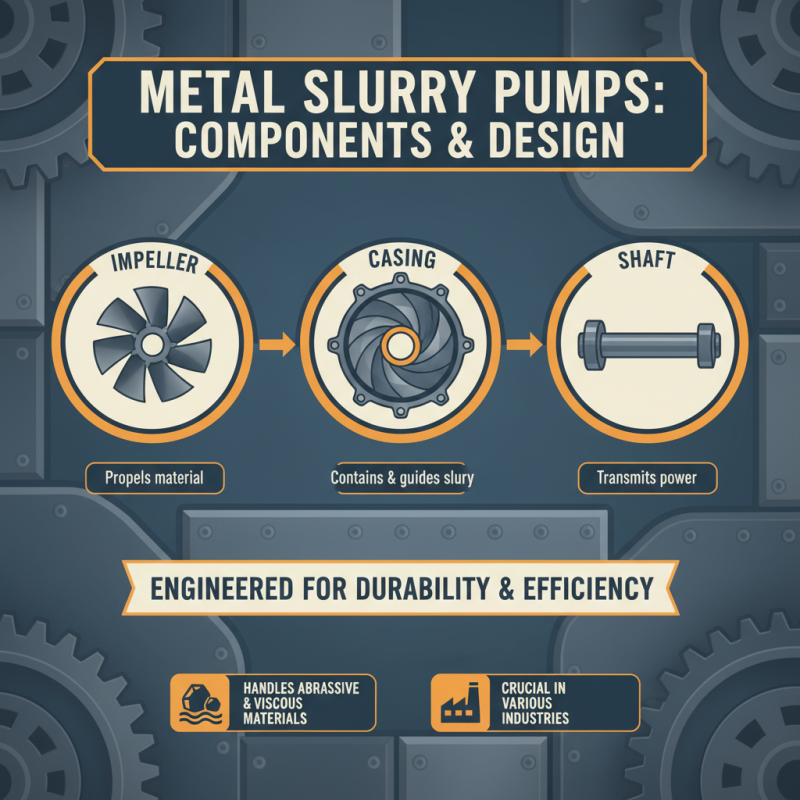
Metal slurry pumps play a crucial role in various industries. They are specifically designed to handle abrasive and viscous materials. The pump's main components include an impeller, casing, and shaft. Each of these elements is engineered for durability and efficiency.
The impeller is usually made of hardened materials to withstand wear. Its design allows for efficient movement of slurry, preventing blockages during operation. The pump casing must also be robust, often featuring protective liners. These linings are essential for prolonging the life of the pump and ensuring consistent performance.
The shaft connects the impeller to the motor. It needs to endure high torque and resist corrosion. Seal systems are critical to prevent leaking of materials. Proper maintenance is vital to prevent failures. Improper installation or inadequate materials can lead to decreased efficiency. Thus, operators should regularly assess pump conditions for optimal performance.
Principle of Operation for Metal Slurry Pumps
Metal slurry pumps play a critical role in various industries, particularly in mining and mineral processing. Their primary function is transporting abrasive and viscous slurries containing solid particles. Understanding the principle of operation is essential for optimizing performance and lifespan.
These pumps operate on the principle of centrifugal force. When the impeller spins, it creates a pressure differential. This pressure lifts the slurry from the intake into the pump's casing. The design typically includes rugged materials to withstand abrasion. According to a recent industry report, slurry pumps account for approximately 20% of the total pump market, reflecting their importance in heavy-duty applications.
One challenge in the operation of metal slurry pumps is maintaining efficiency under varying load conditions. Operators often face wear issues, where the impeller and casing degrade over time, affecting performance. Industry studies suggest that pumps can lose efficiency by up to 10% annually if maintenance is neglected. Therefore, regular inspections and timely repairs are crucial for maximizing operational efficiency and ensuring system reliability. A proactive approach can significantly extend the service life of these pumps.
What is a Metal Slurry Pump and How Does It Work? - Principle of Operation for Metal Slurry Pumps
| Dimension |
Specification |
Material |
Application |
| Flow Rate |
100-2000 m³/h |
Cast Iron |
Mining |
| Pressure |
10-50 bar |
Stainless Steel |
Mineral Processing |
| Pump Type |
Horizontal |
High Chrome Alloy |
Pulp and Paper |
| Size |
6"x4" |
Polyurethane |
Chemical Processing |
| Efficiency |
70-90% |
Rubber Lined |
Waste Management |
Applications of Metal Slurry Pumps in Industry
Metal slurry pumps are crucial in various industrial applications, particularly in sectors such as mining, mineral processing, and wastewater treatment. These pumps handle abrasive and corrosive materials, making them essential for efficient operation. According to a report from the Global Slurry Pump Market, the industry is expected to grow at a CAGR of 5.6% through 2025, highlighting the increasing demand for durable pumps in harsh environments.
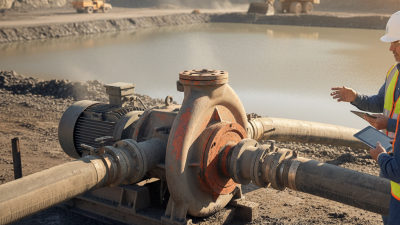
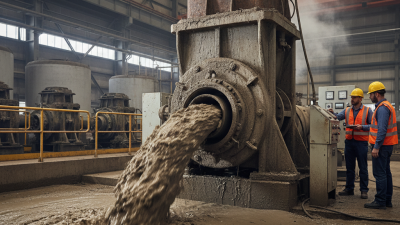
In the mining industry, metal slurry pumps transport thick, viscous slurries containing materials like coal, ore, and tailings. Their design allows them to withstand the wear and tear associated with such abrasive materials. The effectiveness of these pumps can significantly influence the overall efficiency of mining operations. For instance, a recent study indicated that using the right pump type could reduce energy consumption by up to 30%, showcasing the relevance of selecting appropriate slurry pumps for specific tasks.
Furthermore, in wastewater treatment, these pumps manage the thick sludge produced. Proper slurry handling is vital to avoid blockage and ensure effective processing. However, maintaining optimal pump operation presents challenges, like frequent wear of components due to abrasives. Regular monitoring is essential to ensure consistent performance and identify the need for repairs or replacements. Addressing these issues proactively can lead to better efficiency and reduced operational costs.
Maintenance and Troubleshooting of Metal Slurry Pumps
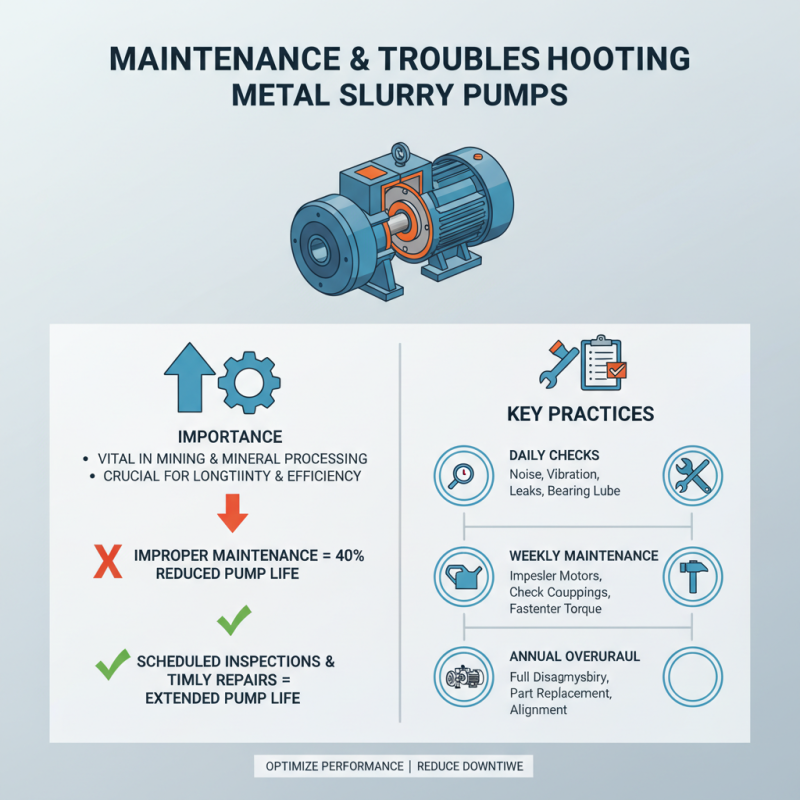
Metal slurry pumps are vital in various industries, especially in mining and mineral processing. Regular maintenance is crucial for their longevity and efficiency. According to industry reports, improper maintenance can reduce pump life by up to 40%. This highlights the importance of scheduled inspections and timely repairs.
Operators must be vigilant for common issues such as wear on the impeller and casing. A worn impeller can lead to decreased performance and increased energy consumption. Visual inspections should occur monthly, while more thorough checks should happen quarterly. Monitoring vibrations can help identify mechanical issues early, minimizing costly downtimes.
Troubleshooting is another critical aspect. If a pump is not delivering the expected flow rate, checking the suction side for clogs is essential. Blockages can cause significant pressure drops. Additionally, operators should regularly examine seals and bearings. Failure in these areas often leads to leaks or catastrophic pump failure. Each finding must be documented. This record helps identify recurring issues and informs better maintenance strategies.