Effective waste management is becoming increasingly crucial in our modern society. According to the World Bank, global waste generation is expected to reach 3.4 billion tons by 2050. This growing volume necessitates efficient disposal technologies. One vital component in this process is the Incinerator Fan. This technology facilitates the efficient operation of waste incinerators by ensuring optimal combustion conditions.
Dr. Thomas Jenkins, a leading expert in waste management technologies, emphasizes the importance of these fans. He states, "Incinerator Fans are pivotal for achieving complete combustion, which minimizes harmful emissions." Their role cannot be understated, as they influence the entire incineration process. If the airflow is inadequate, combustion may be inefficient, leading to increased residue and pollutants.
Moreover, concerns persist regarding the environmental impact of incineration. Fans must operate effectively to ensure that emissions remain within regulatory standards. Flaws in fan design or function can lead to serious issues, highlighting the need for ongoing innovation and assessment in the industry. Enhanced performance in Incinerator Fans can lead to a significant reduction in waste-related environmental hazards.
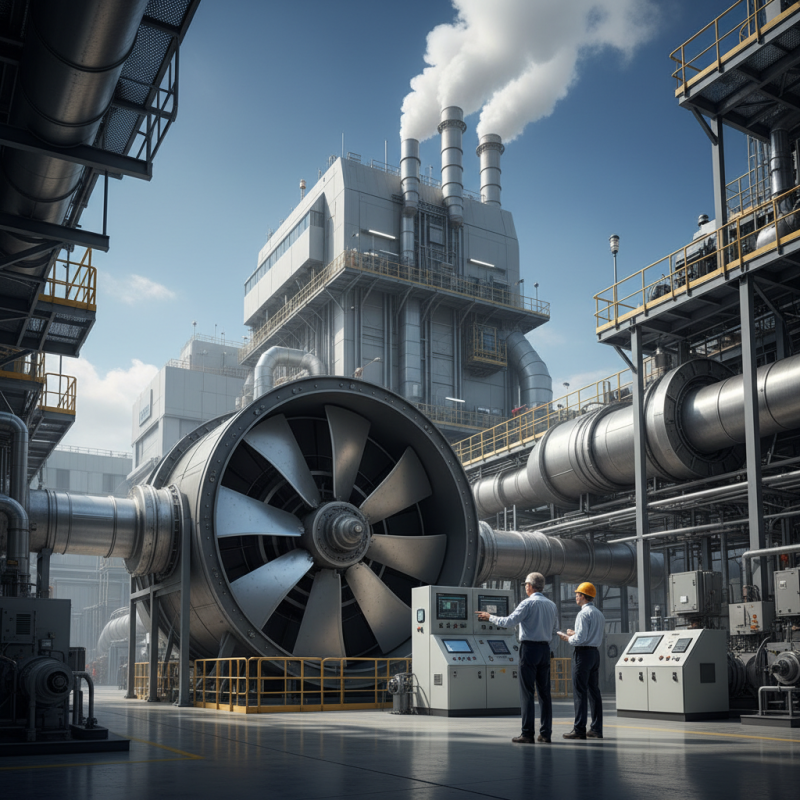
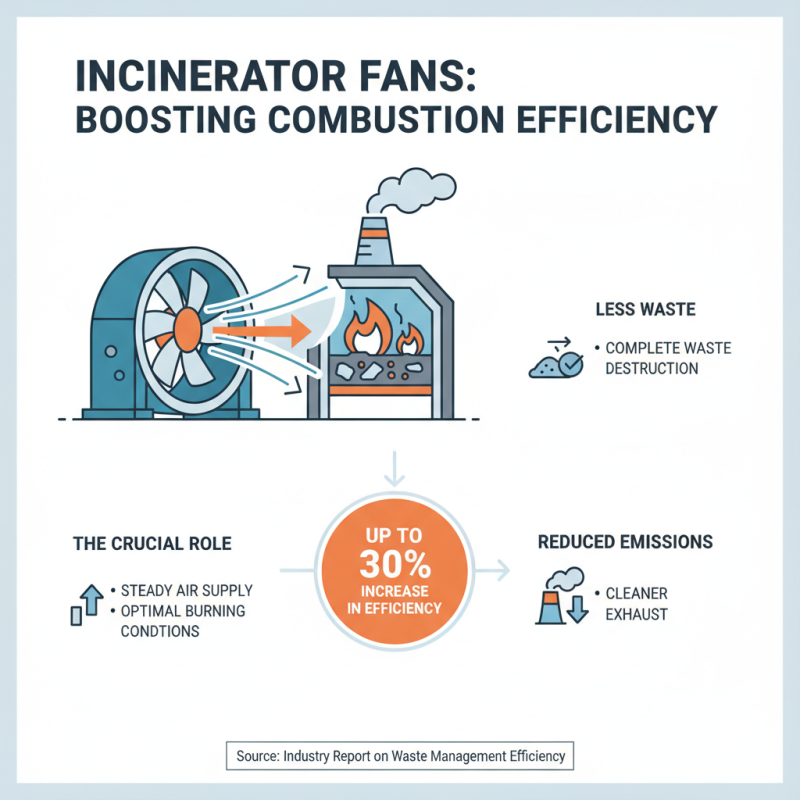
Incinerator fans play a crucial role in waste management by enhancing combustion efficiency. They ensure a steady supply of air to the combustion chamber, which is vital for maintaining optimal burning conditions. According to a recent industry report, proper airflow increases combustion efficiency by up to 30%. This translates into more complete waste destruction and reduced emissions.
Tips: Regular maintenance of fans is essential to avoid operational inefficiencies. Dirty or malfunctioning fans can reduce air supply, leading to incomplete incineration.
The design of these fans is critical. They must withstand high temperatures and corrosive environments. Specific materials and technologies are necessary for durability and performance. However, some installations neglect this aspect, leading to frequent breakdowns. Screening for quality can help in choosing the right fan.
Tips: Always consult with experts when selecting fan systems. Their input can prevent costly mistakes down the road. Investing in high-quality fans may seem expensive initially but can reduce long-term operational costs significantly.
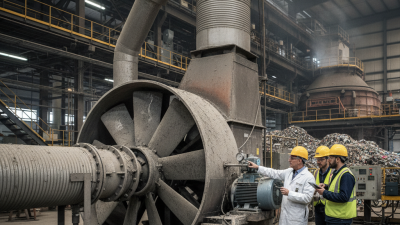
Incinerator fans play a crucial role in managing waste effectively. They help circulate air during the combustion process. This action ensures a complete burn of waste materials, reducing harmful emissions. Proper airflow minimizes unburned particles. Consequently, this leads to improved air quality.
Controlling emissions is not just about efficiency; it's about safety too. Fans regulate the temperature and oxygen levels inside the incinerator. This regulation creates optimal conditions for burning waste. However, improper fan operation can lead to increased emissions. Facilities must regularly maintain their fans to avoid malfunction.
Tip: Regular checks on incinerator fans can prevent costly repairs. Monitor the air pressure and flow rates frequently. This ensures that emissions stay within safe limits.
Another important aspect is noise pollution. While fans are essential, they can be noisy. Sound insulation measures can help reduce the noise impact on nearby communities. Finding a balance between effective waste management and community concerns is key.
Tip: Engaging with the community can foster better relationships. Hold open sessions to discuss operation impacts. Transparency builds trust.
Incinerator fans play a crucial role in waste management systems. They ensure effective combustion by promoting efficient airflow. This airflow helps maintain optimal temperatures during incineration. Fans must be robust and reliable. They must handle various waste types and combustion conditions.
When considering technical specifications, focus on airflow capacity. It is measured in cubic meters per hour. The pressure ratings are also critical. They should accommodate the system's resistance. Another factor is the noise level, which should be minimal to avoid disturbing nearby areas.
Tips: Regular maintenance is vital for incinerator fans. Check for wear and tear every few months. A small issue can shut down the entire system. Be cautious with energy usage. Energy-efficient fans can save costs in the long run.
Performance metrics matter as well. Monitor the efficiency of the fans consistently. High efficiency means less fuel consumption. However, achieving this efficiency may require adjustments. Each waste type may remind us to rethink our methods.
| Dimension | Specification | Performance Metric |
|---|---|---|
| Airflow Rate | 50,000 - 150,000 CFM | Optimal combustion efficiency |
| Power Consumption | 10 - 200 kW | Lower operational costs |
| Fan Type | Axial / Centrifugal | Application versatility |
| Noise Level | < 85 dB | Compliance with regulations |
| Temperature Resistance | Up to 800°C | Durability in extreme conditions |
| Material | Stainless Steel / Carbon Steel | Corrosion resistance |
Incinerator fans play a crucial role in waste-to-energy systems. A case study from a facility in Europe shows a 25% increase in energy output after fan optimization. Proper airflow ensures complete combustion of waste, reducing harmful emissions. Fans help maintain optimal temperatures for effective waste management.
Another example in North America highlights issues with insufficient fan capacity. This led to incomplete combustion and higher levels of pollutants. Data from the Environmental Protection Agency indicates that efficient fan systems can cut emissions by as much as 35%. These findings emphasize the need for robust fan integration.
Yet, challenges remain in system design. Many facilities struggle with fan maintenance. Regular checks are vital for performance. A small oversight can lead to significant operational losses. As waste management evolves, addressing these issues becomes essential for improving overall efficiency.
The landscape of waste management is evolving rapidly. Innovations in incinerator fan technology are leading the charge towards sustainability. Recent reports indicate that energy recovery from waste can reduce greenhouse gas emissions by up to 80%. This figure underscores the vital role of efficient incineration processes, powered by advanced fan systems.
New designs focus on enhancing airflow and heat distribution. For example, high-efficiency fans can minimize energy consumption while maximizing combustion efficiency. A study cited the potential reductions in operational costs by 15-20% through these innovations. Still, many facilities lag in adopting these advancements. This hesitation can lead to inefficiencies and waste—both material and financial.
Tips for facility managers: Regular maintenance of fan systems is crucial for optimal performance. Monitor energy consumption closely. Benchmark against industry standards. Embracing newer technologies can seem daunting, but the long-term benefits often outweigh the initial costs. Balancing innovation with practical implementation will define the future of waste management.