2026 How to Choose the Right Oxidation Blower for Your Needs?
Choosing the right oxidation blower can seem daunting. With various models available, it’s critical to understand your specific needs. An oxidation blower plays a vital role in numerous industrial applications. This equipment helps manage air flow, ensuring efficient oxidation processes.
When selecting an oxidation blower, consider factors like size, pressure, and noise levels. Each application may require different specifications. For instance, a smaller facility may not need the same capacity as a larger one. Some blowers create excessive noise, which could be problematic in quiet environments.
It's important to reflect on your operation's requirements. Balancing efficiency and cost is essential. Sometimes, lower-cost options may compromise quality or performance. Avoid rushing the decision. Take time to assess what truly fits your needs when choosing an oxidation blower.
Choosing the Right Oxidation Blower: Key Considerations
Choosing the right oxidation blower requires careful consideration of several key factors. These blowers vary in size, power, and efficiency.
Assessing the specific needs of your operation is crucial. What is the required airflow? How much pressure do you need? Gather this information before making a choice.
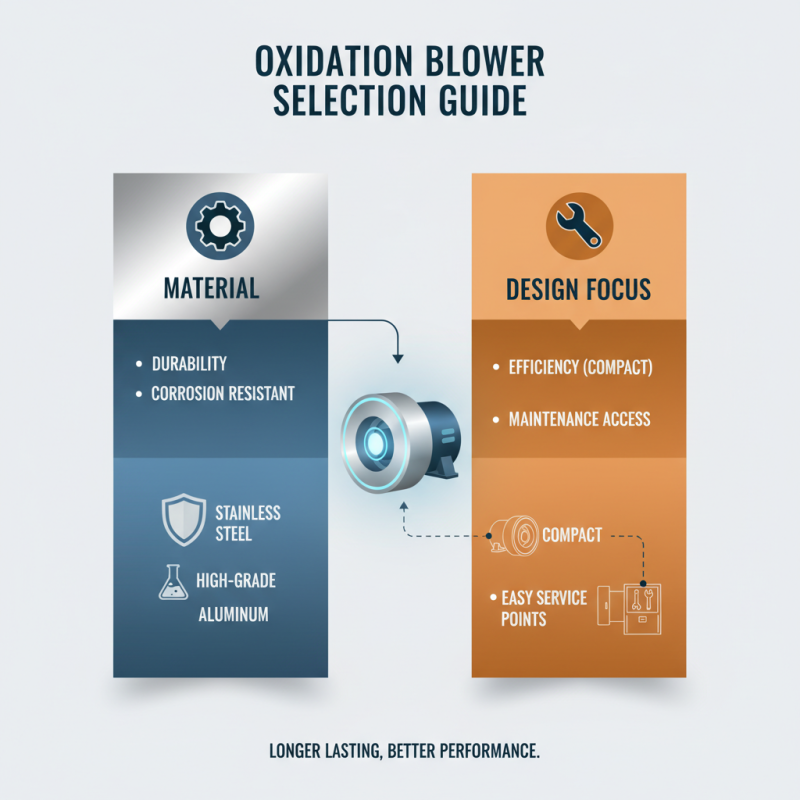
Material compatibility is another vital aspect. Some blowers are more durable than others, depending on the environment. Corrosive materials or extreme temperatures can affect performance.
Think about where the blower will be used. Can it handle the conditions? You might need to review specifications multiple times to ensure proper fit.
Budget is often a constraint, but don’t compromise on quality. A cheaper blower might save money upfront but could lead to higher maintenance costs later.
Consider durability versus price. Sometimes, investing more initially pays off in the long run. Always seek feedback and reviews on the performance of your options.
Reflect on what has worked well for others and what hasn’t.
Understanding the Role of Oxidation Blowers in Industrial Applications
Oxidation blowers play a vital role in various industrial settings, particularly in wastewater treatment and chemical processing. These devices facilitate the introduction of air or oxygen into a mixture. This process supports aerobic microbial activity, which helps break down organic matter efficiently. Understanding their function can greatly influence system performance and overall efficiency.
When choosing an oxidation blower, consider its capacity. It should match the operational demands of the application. A blower that is too powerful may lead to excessive aeration, disrupting the system. On the other hand, an undersized blower could result in inadequate oxygen levels, affecting treatment processes. Ensure you assess the specific requirements of your facility.
**Tips:** Always evaluate the blower's energy efficiency. Energy costs can be significant, so choosing an efficient model can yield long-term savings. Also, pay attention to maintenance needs. Regular checks can prevent unexpected downtimes, which can be costly. Don't overlook noise levels too. A quieter blower may be preferable in noise-sensitive environments.
Remember that not all applications require the same type of blower. It's crucial to do your homework. Sometimes, what seems like an ideal choice may not align with your operational needs. Engage with professionals or consult industrial guidelines to ensure you make the best decision.
2026 How to Choose the Right Oxidation Blower for Your Needs? - Understanding the Role of Oxidation Blowers in Industrial Applications
| Parameter |
Description |
Importance |
Example Range |
| Airflow Rate |
The volume of air that the blower can move, typically measured in CFM (cubic feet per minute). |
Critical for ensuring adequate oxidation and process efficiency. |
100 - 10,000 CFM |
| Pressure Boost |
The increase in air pressure that the blower can provide, often measured in PSI (pounds per square inch). |
Determines the ability to overcome system resistance and deliver air to the process. |
2 - 30 PSI |
| Energy Efficiency |
How effectively the blower converts electrical energy into useful airflow. |
Impacts operational costs and environmental impact. |
70 - 95% efficiency |
| Noise Level |
The sound produced by the blower during operation, measured in dB (decibels). |
Can affect workplace comfort and compliance with regulations. |
60 - 100 dB |
| Maintenance Requirements |
The frequency and complexity of maintenance tasks needed to ensure optimal performance. |
Directly affects downtime and operational efficiency. |
Monthly to annually, depending on use |
| Durability |
The lifespan of the blower and its parts, influenced by construction materials and design. |
Ensures long-term reliability and reduces total cost of ownership. |
5 - 20 years |
Evaluating Performance Metrics: CFM, Static Pressure, and Efficiency Ratings
Choosing the right oxidation blower requires careful consideration of performance metrics. CFM, or Cubic Feet per Minute, measures airflow volume. High CFM ratings indicate a blower can move more air. This is crucial for processes requiring significant ventilation or effluent treatment. However, it’s not always about the numbers. Consider your specific application needs.
Static pressure is equally important. It reflects the blower's ability to overcome resistance in the system. A blower with insufficient static pressure may not operate effectively. You might find it helpful to assess your ductwork design. Sometimes, a blower with higher static pressure is necessary, especially in complex setups.
Efficiency ratings can’t be overlooked. A highly efficient blower consumes less energy, reducing operational costs. But efficiency can vary based on usage. Examine your working conditions thoughtfully. One tip is to run calculations based on expected loads. It's also wise to consider future expansion. Planning ahead can save you from needing another investment soon.
Assessing Noise Levels and Environmental Regulations Impact on Selection
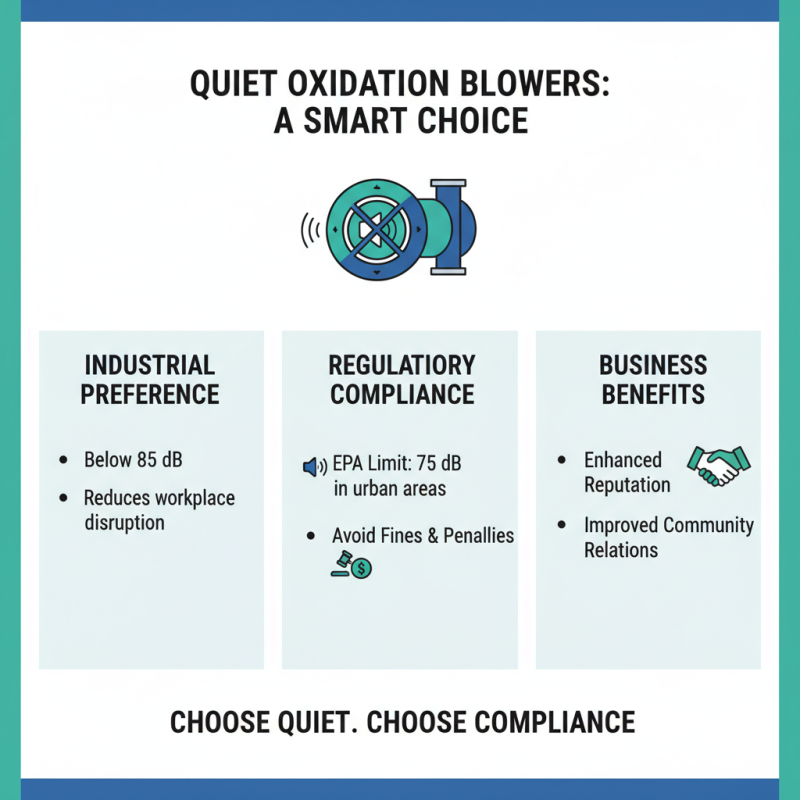
When selecting an oxidation blower, noise levels play a crucial role. Studies show that many industries prefer blowers with noise levels below 85 dB. Equipment exceeding this level could lead to potential fines. This is critical in urban areas where environmental regulations are strict. For instance, the EPA outlines sound limitations for industrial operations, often capping them at 75 dB. Non-compliance risks not just fines but reputational harm.
Another factor is the impact of local air quality standards. For some processes, oxidizers might produce unwanted emissions. This can trigger additional regulatory scrutiny. Choosing a blower that operates within environmental guidelines is essential. Data indicates that blowers with sound and emission ratings that align with these standards enhance operational viability. However, not every blower meets these requirements effortlessly. Balancing efficiency and compliance can be a challenging aspect of the decision-making process. Sometimes, this trade-off may lead to higher initial costs.
Ultimately, careful evaluation of both noise and emissions is paramount. Manufacturers are encouraged to transparently share performance data. Yet, many do not. Understanding these factors leads to better equipment choices that don't incur future problems or legal challenges.