10 Essential Tips for Choosing the Right Oxidation Blower
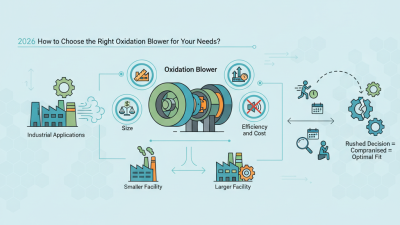
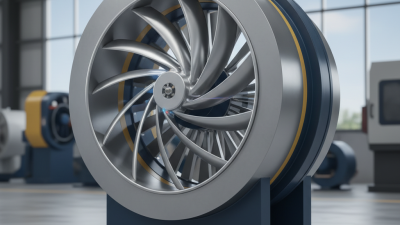
Choosing the right oxidation blower can significantly impact the efficiency and effectiveness of industrial processes. As highlighted in recent industry reports, the oxidation blower market is projected to grow at a CAGR of 6.5% from 2023 to 2028. This growth reflects the increasing demand for efficient air-handling solutions across various sectors.
Expert in the field, Dr. Samuel Green, emphasizes, “The right oxidation blower is not just about performance; it's about finding the perfect fit for specific applications.” His insight reminds us that choosing an oxidation blower involves understanding unique operational needs rather than just focusing on specifications.
The selection process is often complex. Many factors must be considered, including energy efficiency, noise levels, and maintenance requirements. Overlooking these aspects can lead to higher operational costs and reduced performance. Therefore, industry players must take the time to evaluate their options carefully and avoid common pitfalls in the decision-making process.
Key Factors in Selecting Oxidation Blowers for Industrial Applications
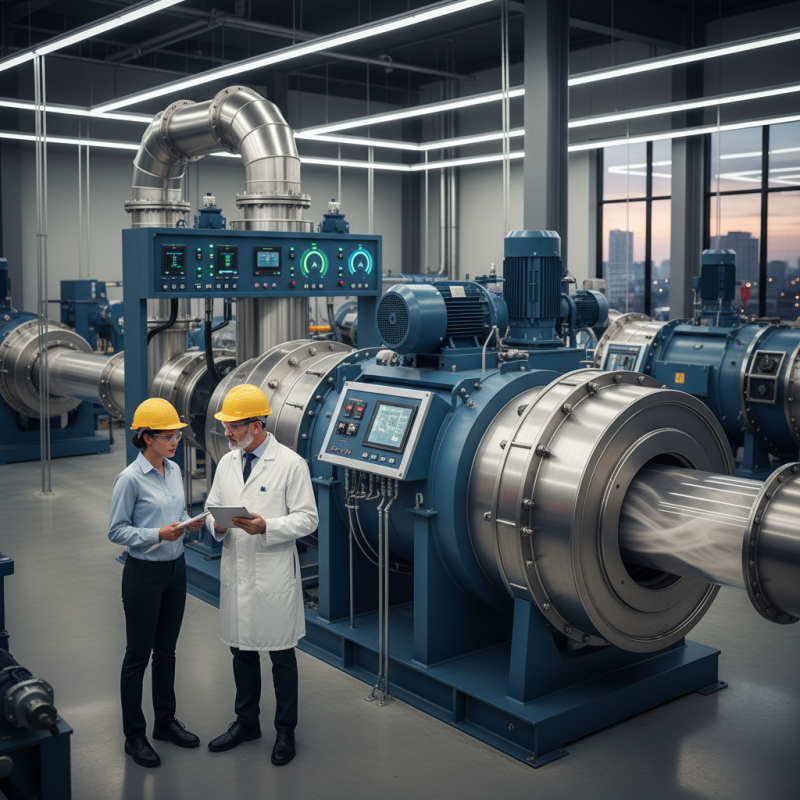
When selecting oxidation blowers for industrial applications, several key factors should be considered. The performance of the blower is paramount. Efficiency ratings can vary significantly, with some reports indicating that well-designed blowers can improve energy consumption by up to 30%. Larger systems may require blowers that can handle high flow rates and pressures, typically over 10,000 CFM.
Material compatibility also plays a crucial role. Depending on the application, corrosive environments might demand more durable materials. Stainless steel components are often a better choice, as they resist corrosion better than standard metals. Cost is another critical aspect. While it may be tempting to choose cheaper options, initial lower prices can lead to higher operational costs due to inefficiencies. A study indicated that over 40% of operational issues stemmed from poor equipment choices.
Noise levels from oxidation blowers can sometimes be overlooked but are essential for workplace comfort. Noise levels exceeding 85 decibels can lead to hearing issues and reduced productivity. Furthermore, maintenance needs should not be ignored. Regular inspections are crucial, and a design that facilitates easy access can make upkeep simpler, reducing downtime. Considering these factors will lead to improved performance and longevity in industrial applications.
Understanding Airflow Requirements: CFM and Pressure Specifications
When selecting an oxidation blower, understanding airflow requirements is crucial. The relationship between Cubic Feet per Minute (CFM) and pressure specifications greatly influences efficiency. CFM measures the volume of air moved in a minute. Pressure specifications indicate resistance in the system. High CFM with low pressure may reduce blower lifespan. Studies show that optimizing these parameters can enhance overall performance by 20%.
Most industrial applications require a balance. Blowers that operate at 100 CFM with 3 inches of water column pressure often meet typical requirements. However, if airflow is too low or pressure too high, equipment may not function properly. The wrong selection can lead to inefficiencies and increased costs. Industry reports suggest that over 30% of blowers do not meet their specified airflow targets.
Considerations for installation are equally important. Pipe diameter and length affect airflow drastically. Restrictive or poorly placed ductwork can lead to issues. Inadequate airflow might lead to product degradation or equipment damage. Understanding these factors helps in making better decisions. Proper calculations and adjustments are key to achieving desired outcomes in oxidation processes.
Evaluating Efficiency: Energy Consumption and Its Impact on Costs
When selecting an oxidation blower, energy consumption plays a crucial role in evaluating efficiency. Many industrial blowers operate at different energy levels, often impacting operational costs significantly. According to industry reports, blowers can consume between 20% to 50% of the facility’s total energy usage. This statistic underscores the importance of choosing a model with optimal efficiency.
In many cases, blowers with higher energy efficiency ratings present a higher initial cost. Yet, the long-term savings on electricity can offset this initial investment. A recent study highlighted that every 1% improvement in energy efficiency could lead to a 5% reduction in operational costs. Choosing a blower without assessing its energy profile could lead to substantial financial overruns.
Many facilities still overlook energy ratings, relying solely on initial cost. This is a critical error. A powerful blower may seem ideal, but inefficient energy use can yield unexpected costs. Regularly reviewing energy consumption and efficiency metrics can help businesses make informed decisions. Each choice can significantly shape their financial landscape.
10 Essential Tips for Choosing the Right Oxidation Blower - Evaluating Efficiency: Energy Consumption and Its Impact on Costs
| Blower Type |
Efficiency (%) |
Energy Consumption (kW) |
Estimated Annual Cost ($) |
Noise Level (dB) |
| Centrifugal Blower |
85 |
15 |
1,800 |
75 |
| Roots Blower |
80 |
20 |
2,400 |
82 |
| Positive Displacement Blower |
87 |
12 |
1,440 |
78 |
| Diaphragm Blower |
75 |
10 |
1,200 |
70 |
| Axial Flow Blower |
90 |
18 |
2,160 |
74 |
Material Durability: Choosing the Right Components for Longevity
When selecting components for an oxidation blower, material durability is key. The right materials directly affect the longevity of the system. Consider metals that resist corrosion. Stainless steel may be a common choice, but other alloys can also provide durability. Look for materials that can withstand high temperatures and harsh conditions. This choice can prevent premature failures.
Another factor is wear resistance. Components like impellers and casings are often subjected to abrasive particles. Choosing robust materials can save time and money in the long run. Some might overlook the importance of this detail, focusing instead on price. But a cheaper material often leads to frequent replacements. It's vital to weigh immediate costs against potential downtime.
Moreover, examine the environment where the blower will operate. Are there chemical exposures? Dust and moisture can greatly influence your material choice. Determine how these factors will impact your blower's components. Each decision shapes the blower's overall performance and lifespan. A small oversight now could lead to significant issues later.
Material Durability Comparison for Oxidation Blowers
Noise Control: Importance of Decibel Levels in Workplace Environment
Noise control is crucial in any workplace, especially in environments using oxidation blowers. High decibel levels can lead to hearing loss and decreased productivity. It’s vital to know the noise level of equipment before making a purchase. Some blowers can be surprisingly loud, exceeding 85 dB. This level can be harmful with prolonged exposure.
You may think that all blowers are equally quiet. But that’s a common misconception. Many models don't provide noise ratings clearly. Without this information, you may invest in equipment that disrupts your team's focus. It’s not just about performance; sound quality matters too. A blower that emits a constant hum is often easier to tolerate than one with sharp, disruptive sounds.
Creating a peaceful work environment means prioritizing noise levels. You might even need to implement sound barriers or choose quieter alternatives later. Keep in mind, a small decibel difference can impact comfort and health. Listening to your team’s feedback on noise can lead to better choices. Consider their experiences when selecting your next oxidation blower; it really makes a difference.
Conclusion
Choosing the right oxidation blower is crucial for industrial applications, as it directly impacts efficiency, cost, and operational reliability. Key factors to consider include understanding airflow requirements, specifically the cubic feet per minute (CFM) and pressure specifications needed for optimal performance. It's also essential to evaluate energy consumption, as this significantly affects long-term operating costs.
Additionally, selecting durable materials for components can enhance the longevity of the oxidation blower, ensuring it withstands demanding environments. Noise control is another important aspect, with decibel levels influencing workplace conditions. Lastly, maintenance considerations play a vital role; a blower’s lifespan and serviceability can determine overall efficiency and reduced downtime. By carefully assessing these factors, industries can achieve the best performance from their oxidation blowers while maintaining a safe and cost-effective operation.