How to Choose the Right Vapor Compressor for Your Needs?
In the realm of vapor compression technology, selecting the right vapor compressor can be daunting. Expert Michael Stevens once stated, "The right compressor can make or break your operational efficiency." This emphasizes the importance of choosing wisely. A vapor compressor plays a critical role in various applications, from refrigeration to chemical processing. This equipment impacts energy usage significantly.
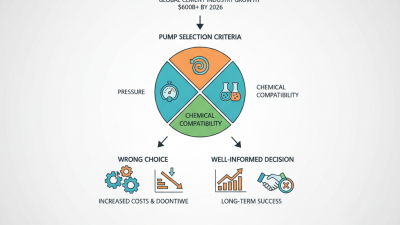
There are many factors to consider when choosing a vapor compressor. Efficiency, capacity, and the specific application are key aspects. For instance, a small bakery may require a different compressor than a large industrial plant. Yet, many users overlook these details. The result? Inefficiencies and increased costs.
Many people rush through the selection process, which can lead to regret down the line. You might find yourself faced with unexpected maintenance issues. It’s essential to analyze your unique needs first. Understanding the specific functions of vapor compressors can guide you to the best choice. The stakes are high, and an informed decision is crucial.

Understanding Vapor Compressors: Types and Applications
Vapor compressors play a crucial role in various industries. They are essential for applications like
refrigeration,
air conditioning, and
chemical processing. Understanding the types of vapor compressors is vital for making an informed choice.
There are several types of vapor compressors available.
Positive displacement and
dynamic compressors are the most common. Positive displacement compressors trap a specific volume of vapor and compress it.
Dynamic compressors use high-speed rotating blades. Each type has its strengths and weaknesses.
For instance, positive displacement compressors are efficient at low flow rates but can struggle at high volumes.
Applications determine the best choice of compressor. In commercial refrigeration, a robust design is key. For HVAC systems,
energy efficiency is often the priority. It’s essential to evaluate specific needs carefully.
Not everyone's requirements are the same. Some may overlook important factors, leading to inefficiencies.
Always consider your unique application before selecting a vapor compressor.
Key Factors to Consider When Selecting a Vapor Compressor
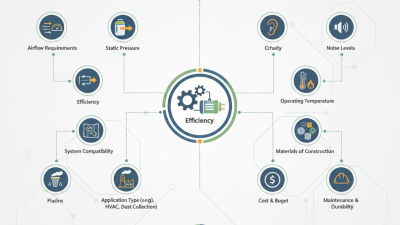
When choosing a vapor compressor, several key factors come into play. Start by assessing your application needs. Different projects demand specific pressure levels and flow rates. A low-demand task might not require a high-capacity model. Consider the energy efficiency of the compressor as well. An efficient unit can save on operational costs but might have a higher upfront cost. Reflect on your budget.
Size and portability also matter. If you plan to move the compressor around, look for a lighter design. Heavy models may be cumbersome and challenging to manage. Noise levels should not be overlooked. Some compressors can be quite loud, which might be an issue in certain environments. You might want to read reviews or ask for recommendations from others.
Durability is crucial as well. A compressor that breaks down frequently can lead to setbacks. Understand the materials used in construction. Some might rust or wear down faster than others. Spare parts availability is another consideration. Sometimes, a good compressor might become a headache if you can’t find replacement parts. Finally, ensure it fits your long-term needs as well.
Assessing Your Specific Needs for Vapor Compression
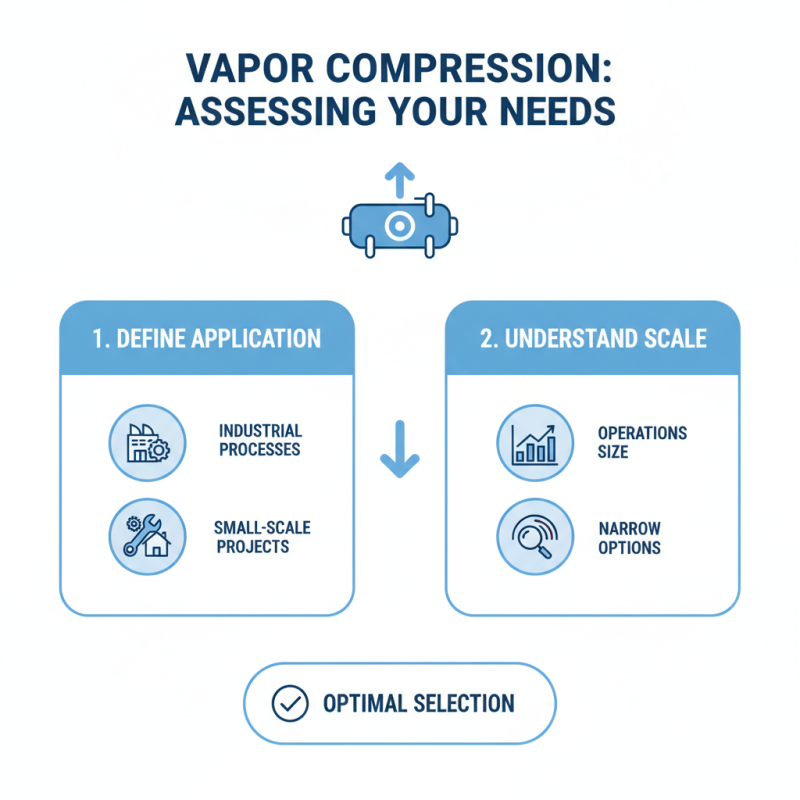
When considering a vapor compressor, it's vital to assess your specific needs carefully. Start by defining the application. Are you using it for industrial processes or small-scale projects? The requirements can differ significantly. Understanding the scale of your operations will help narrow down your options.
Next, consider the required capacity. Some tasks demand high volumes, while others may need lower outputs. Think about the frequency of use, too. If you need it daily, durability becomes essential. Explore variations within your selected capacity range. Sometimes going slightly above your expectation can ensure reliability during peak times.
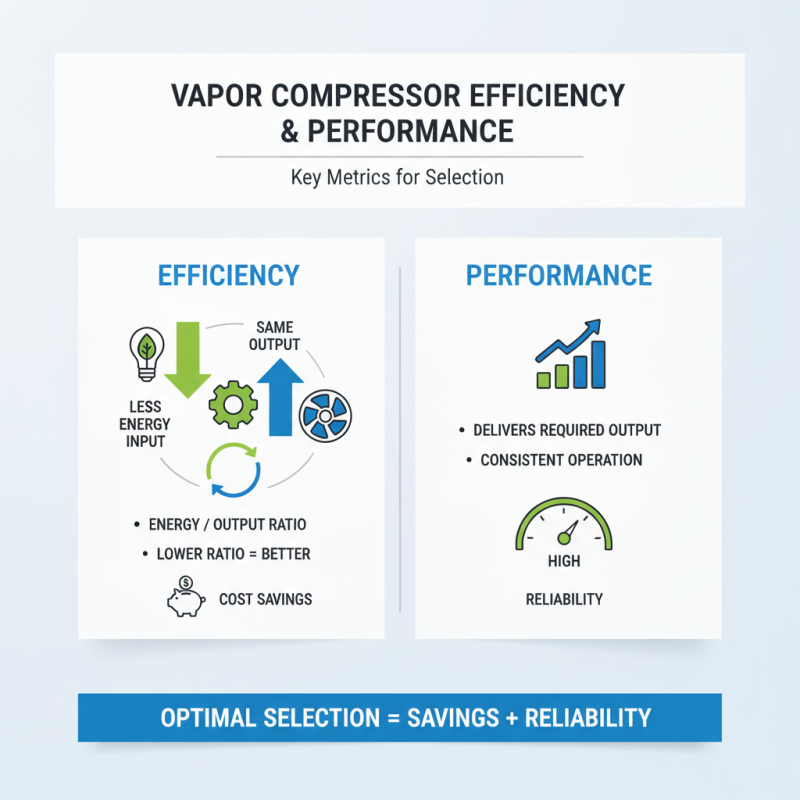
Don't forget about energy efficiency. High efficiency may lead to cost savings in the long run. Remember that purchasing decisions can often lead to regret if not thoroughly evaluated. Take time to reflect on the features that matter most for your unique situation. Balancing your budget with specifications can be tricky, and it is okay to have doubts. Each choice demands your careful consideration before you commit to a purchase.
Maintenance and Support for Your Chosen Vapor Compressor
When selecting a vapor compressor, maintenance and support are crucial aspects to consider. Regular upkeep not only extends the lifespan of your compressor but also ensures optimal performance. It’s essential to have a clear maintenance schedule. This may involve checking seals, monitoring oil levels, and replacing filters regularly. Neglect can lead to costly repairs and downtime.
Furthermore, ensuring you have access to reliable technical support is equally important. A knowledgeable support team can guide you through issues that may arise. Some companies offer online resources and troubleshooting guides. This can empower you to fix minor problems independently. However, not every provider has the same level of support. Do your research and choose wisely.
Investing in a vapor compressor means committing to its ongoing care. Without proper maintenance, you might end up frustrated when problems occur. This requires time and effort. Understand what you're getting into before making a decision. Sometimes, the best choice is the one that seems less flashy but offers robust support options.
Vapor Compressor Performance Comparison
This chart compares the performance ratings of different vapor compressor models based on user reviews and expert evaluations. The ratings are out of 10, with higher values indicating better performance.