How to Choose the Right Underflow Pump for Your Needs?
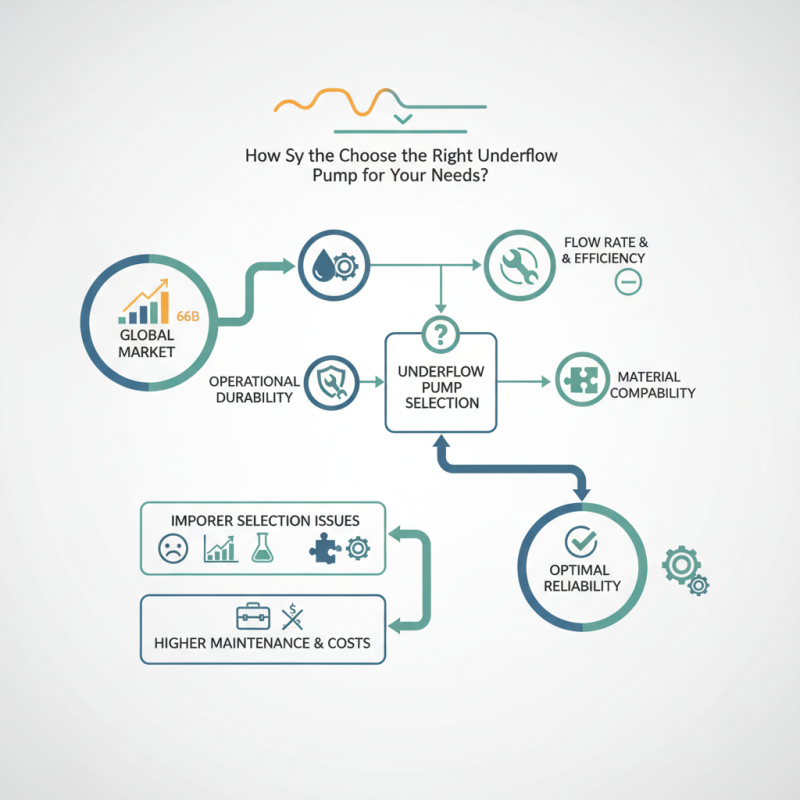
Choosing the right Underflow Pump is crucial for effective operations. The global pump market size reached $66 billion in 2022. This growth indicates a high demand for reliable equipment in various industries. However, selecting the appropriate Underflow Pump can be challenging.
There are multiple factors to consider. Flow rate, efficiency, and operational durability play significant roles. A report from the Hydraulic Institute suggests that improper pump selection can lead to a 15% drop in efficiency. This inefficiency can translate to increased costs over time. Buyers must also assess material compatibility to avoid premature wear.
Understanding specific needs is vital. A poorly chosen Underflow Pump might not handle the required fluid characteristics. Industry users often report higher maintenance costs due to inadequate selections. Reflecting on these issues can guide better decision-making and improve operational reliability.
Understanding Underflow Pumps: Types and Applications
Underflow pumps play a vital role in various industries. They are designed to handle slurry, sludge, and heavy liquids. Understanding their types is essential for choosing the right pump. Centrifugal underflow pumps are common in mining and construction. They can transfer large volumes of liquid smoothly. Positive displacement pumps, on the other hand, are ideal for viscous liquids. They provide a steady flow, but can be more complex to maintain.
Applications of underflow pumps vary widely. In wastewater treatment, they help move solids efficiently. In the food industry, they ensure safe handling of viscous substances. However, the wrong type can lead to operational issues. For instance, if a centrifugal pump is used for thick slurries, it might clog. Users need to evaluate their specific needs. Factors like viscosity, flow rate, and solids content must be considered. Choosing wisely can save time and costs down the line.
Understanding Underflow Pumps: Types and Applications
Key Factors to Consider When Selecting an Underflow Pump
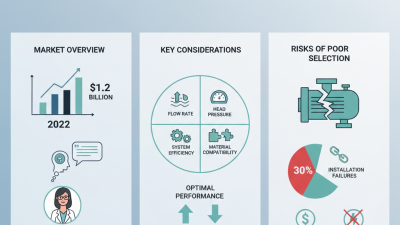
When selecting the right underflow pump, several key factors come into play. Understand your fluid properties first. The viscosity, density, and temperature greatly influence pump selection. A report from the American Society of Mechanical Engineers (ASME) indicates that incorrect viscosity assessments can lead to up to 30% efficiency loss.
Another key consideration is the pump's capacity and flow rate. You should assess your operational requirements carefully. A pump that cannot handle the required flow may clog, resulting in downtime. According to industry data, improper sizing is one of the leading causes of pump failures.
**Tip:** Always calculate your total dynamic head (TDH). This gives insight into the pressure needed to move the fluid effectively through your system.
Furthermore, the material compatibility of your pump is crucial. If your pump does not withstand the fluid’s corrosive properties, it may fail prematurely. Industry analyses suggest that nearly 25% of pumps fail due to material issues.
**Tip:** Consider a pump's maintenance needs. Some pumps require regular upkeep, which can add to operational costs.
Lastly, think about the installation space. Some pumps need more room than others. If space is limited, bulkier options may cause problems. The balance between efficiency, size, and compatibility is essential for optimal performance.
How to Choose the Right Underflow Pump for Your Needs? - Key Factors to Consider When Selecting an Underflow Pump
| Factor |
Description |
Importance Level |
Example Criteria |
| Flow Rate |
The volume of fluid the pump can move per unit time. |
High |
GPM or L/min ratings required for application. |
| Head Pressure |
The height to which the pump can raise water. |
High |
Must meet system elevation requirements. |
| Fluid Characteristics |
Type, viscosity, and temperature of the fluid being pumped. |
Medium |
Compatible with fluids such as water, slurries, or chemicals. |
| Pump Material |
Materials used in the pump construction for durability. |
Medium |
Lining options for corrosive environments. |
| Power Requirements |
The electrical or hydraulic power necessary for pump operation. |
High |
Voltage, phase, and frequency specifications. |
Comparing Performance Specifications of Underflow Pumps
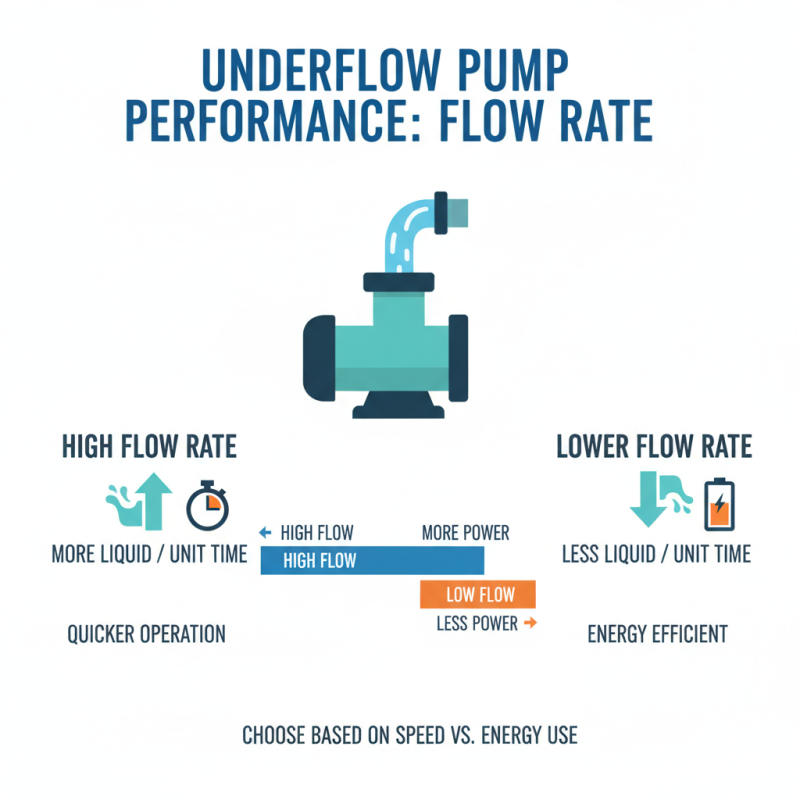
When choosing an underflow pump, performance specifications are critical. First, consider the flow rate. This determines how much liquid the pump can move in a set time. Higher flow rates mean quicker operations but may use more energy.
Next, look at the head capacity. This refers to how high the pump can lift liquid. If your setup has obstacles, a strong head capacity is necessary. Also, think about power consumption. A pump that's efficient saves money in the long run. It's important to balance performance with cost.
**Tips:** Always check the pump's materials. Suitable materials enhance durability. Perform routine maintenance to keep the pump working effectively. If it breaks down, repairs can be costly.
Finally, evaluate the noise levels. Some underflow pumps can be quite loud. In quiet environments, this can be an issue. Consider whether a quieter model would suit your needs better. It's all about finding the right fit.
Assessing Installation and Maintenance Requirements for Underflow Pumps
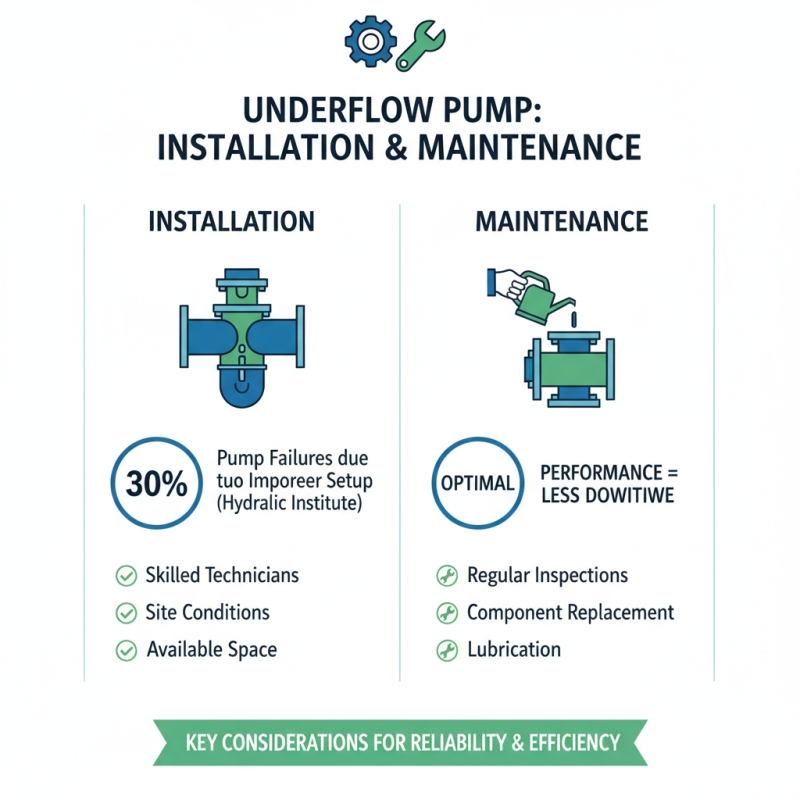
When selecting the right underflow pump, installation and maintenance are key considerations. Proper installation ensures optimal performance and efficiency, reducing downtime. According to a report by the Hydraulic Institute, approximately 30% of pump failures are linked to improper installation. This highlights the importance of skilled technicians during setup. It is essential to assess site conditions, available space, and specific requirements of your operation.
Maintenance requirements also play a critical role in pump selection. Regular checks can prevent costly failures. The American National Standards Institute recommends a preventive maintenance schedule that includes inspecting seals, bearings, and impellers. Many facilities overlook this aspect, leading to increased operational costs. Research indicates that a well-maintained pump can improve energy efficiency by up to 25%. However, maintenance is often seen as a burden, and many operators may not prioritize it as they should.
Inadequate training in pump maintenance can lead to mistakes. It may be tempting to cut corners, but this could result in more significant issues. Properly educating staff on routine maintenance can mitigate risks. Investing in training can significantly reduce long-term costs associated with repairs and lost productivity. Ensuring the right balance between installation practices and maintenance can foster better pump performance.
Budgeting for Your Underflow Pump Purchase: Cost Considerations
When budgeting for an underflow pump, consider both initial and ongoing costs. A recent report by the Pump Industry Association revealed that the average price range for underflow pumps is between $1,000 and $5,000. This variance largely depends on size and performance specifications. Make sure to factor in potential installation costs, which can add another $500 to $2,000. It’s critical to have a clear understanding of your financial limits.
Operational costs should also be a focus. According to the Office of Energy Efficiency, energy consumption can account for up to 30% of total pump operating costs. Selecting an energy-efficient model may have a higher upfront cost but can lead to significant savings over time. Additionally, maintenance expenses can vary widely. Neglecting regular maintenance can lead to costly repairs. Access to replacement parts and service availability must also be considered in your budgeting process.
Analyzing your specific requirements helps in making informed decisions. Do not overlook the importance of understanding your site conditions. Inadequate planning leads to unnecessary expenses, which can cripple project budgets. Balancing cost against performance is essential. It's wise to seek expert advice but remember that not all solutions may fit every need. Your final choice should align with your unique operational demands.