How to Choose the Right Cooling Centrifugal Fan for Your Needs?
Choosing the right Cooling Centrifugal Fan can significantly impact industrial efficiency. In 2021, the global centrifugal fan market was valued at approximately $3.2 billion. This figure illustrates the growing demand for effective air movement solutions across various sectors. Selecting an appropriate fan involves understanding specific requirements, such as airflow rate and pressure.
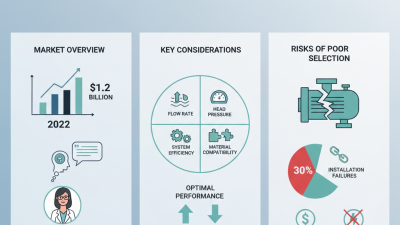
One critical area often overlooked is noise level. Many users prioritize high performance but forget about sound emissions. A fan that operates quietly can improve workplace comfort. Additionally, improper fan selection may lead to energy inefficiencies. Data shows that poorly chosen fans can cause energy wastage of up to 30%.
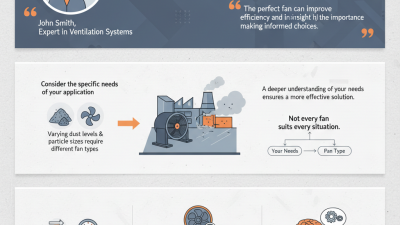
It's essential to consider the operational environment. For instance, fans exposed to harsh conditions require robust materials. Failure to account for this can result in premature wear. As you evaluate options, reflect on your needs and the available models. The right Cooling Centrifugal Fan not only enhances performance but also promotes sustainability in operations.
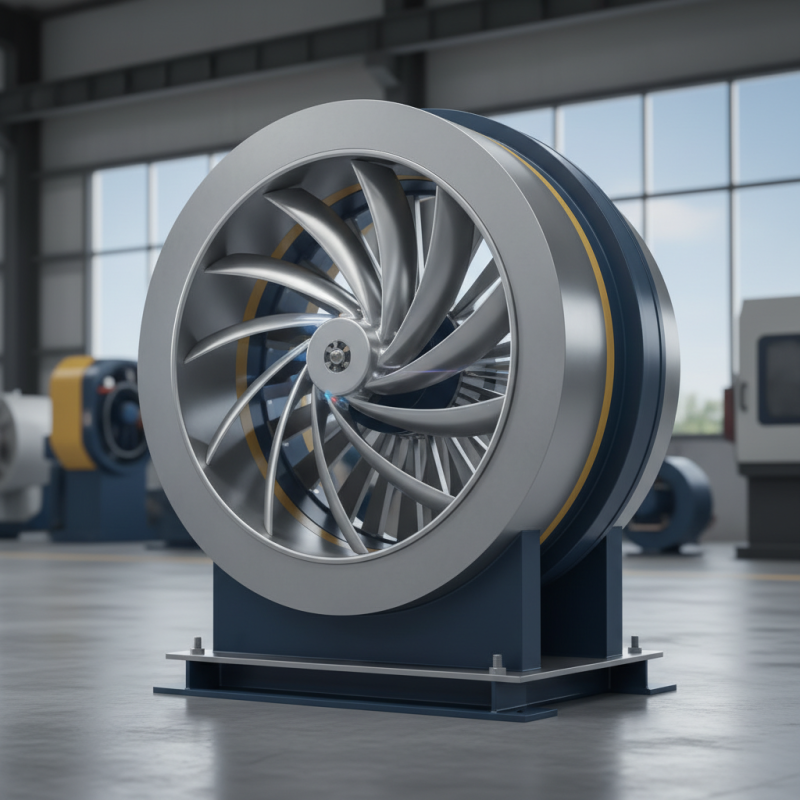
Understanding the Basics of Cooling Centrifugal Fans
Cooling centrifugal fans play a crucial role in various industries, from HVAC systems to industrial processes. Understanding how these fans work is essential before making a purchase. Centrifugal fans operate by drawing air into the center and pushing it to the outside through a rotating impeller. This design creates a high static pressure, making them ideal for applications requiring efficient airflow.
According to a report by the Global Ventilation Fan Market, the demand for high-efficiency cooling fans is on the rise. In 2020, it was estimated that the market size reached approximately $7 billion. The need for energy-efficient solutions has driven many industries to re-evaluate their cooling mechanisms. For instance, fans that provide an airflow rate of at least 1,500 CFM (Cubic Feet per Minute) are often ideal for larger spaces. However, selecting the right fan involves more than just airflow metrics.
Consideration of noise levels is also vital. Many fans operate at around 70 dB, which can be disruptive in residential applications. Users should explore quieter alternatives if noise is a concern. Additionally, the fan’s material should be durable enough for specific environments. Metal fans are robust, but plastic alternatives can offer weight savings. Each situation presents unique challenges, and evaluating fan characteristics against specific needs can prevent future issues.
Key Factors to Consider When Choosing a Cooling Centrifugal Fan
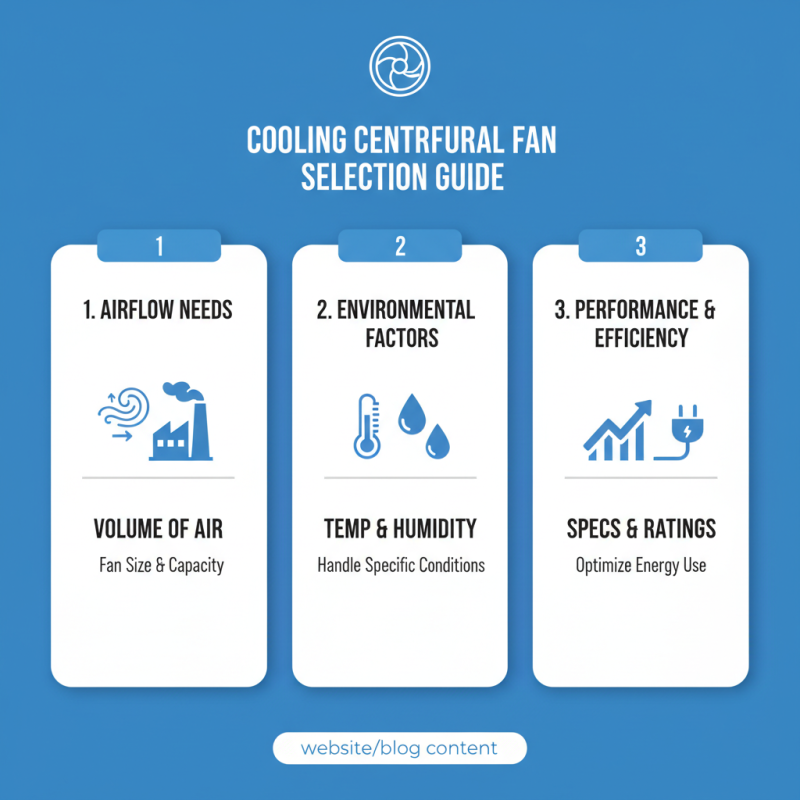
When selecting a cooling centrifugal fan, consider several critical factors. Begin with airflow requirements. Specific applications require different airflow rates. Measure the space accurately to ensure the fan meets these needs. Noise levels are another important aspect. Some fans can be surprisingly loud, disturbing both work and rest environments. Look for sound ratings, but remember that in practice, actual noise may vary.
Next, pay attention to the fan's efficiency. A more efficient fan saves energy and costs over time. Check the power consumption ratings to avoid excessive expenses. Additionally, consider the design. The size and shape should fit well in the designated area. Oversized fans might not only look awkward but could also require more maintenance.
Finally, think about your long-term needs. Will this fan still meet your requirements in the future? Trends might change, and a more versatile fan could adapt better. It’s wise to reflect on current choices and think ahead. Sometimes, the best option may not be the most apparent one. Keeping these details in mind ensures informed decisions without unnecessary complications.
Cooling Centrifugal Fan Selection Factors
Comparing Different Types of Cooling Centrifugal Fans
When selecting a cooling centrifugal fan, it's crucial to understand the different types available. There are various designs, including backward-curved, forward-curved, and radial fans. Each type has distinct applications and performance characteristics. For example, backward-curved fans are often effective in high-pressure systems, while forward-curved fans are typically quieter but less efficient in handling high pressures.
Consider the airflow requirements of your space. The volume of air needed will dictate the fan's size and type. Additionally, efficiency is a key factor. A less efficient fan can lead to increased energy costs over time. Unfortunately, it's easy to overlook these metrics when choosing a fan.
Noise levels also play a significant role in the selection process. Some fans operate quietly, while others emit enough noise to be distracting. Assess your environment carefully. Ideally, you want a fan that balances airflow, efficiency, and noise level effectively. Sometimes, you might find that the perfect fan doesn’t exist, leading to a choice that requires compromises.
Installation and Maintenance Considerations for Cooling Fans
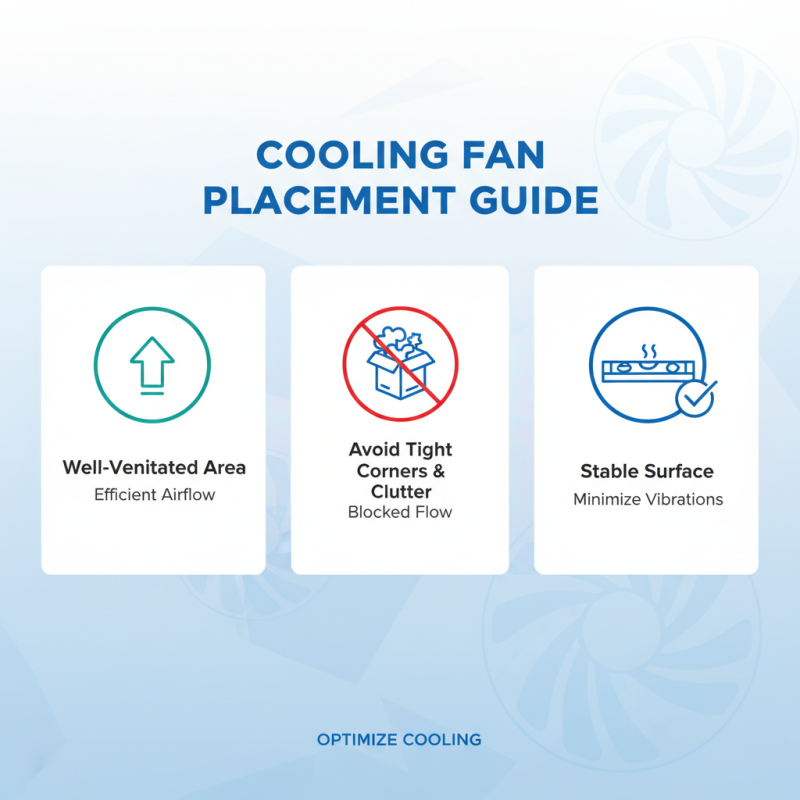
When it comes to cooling fan installation, location matters. Place the fan in a well-ventilated area. This ensures efficient airflow. Avoid tight corners or cluttered spaces that may block the flow. Be mindful of the surface where the fan sits. It should be stable to minimize vibrations.
Regular maintenance is key. Clean the fan blades regularly to prevent dust buildup. Dust can affect performance over time. Check for any loose screws or parts. Lubricate the motor as needed. It’s easy to overlook, but a neglected fan can lead to overheating. Sometimes, a simple check can save you from bigger issues later.
Choosing the right fan size is challenging. Too small, and it won't cool effectively. Too large, and it can consume excess energy. Take measurements before purchasing. Consider noise levels, too. Some fans are quieter than others. A noisy fan can be quite distracting in a workspace. Reflect on your needs carefully to make the best choice.