2026 How to Choose the Right Cement Plant Pump for Your Needs?
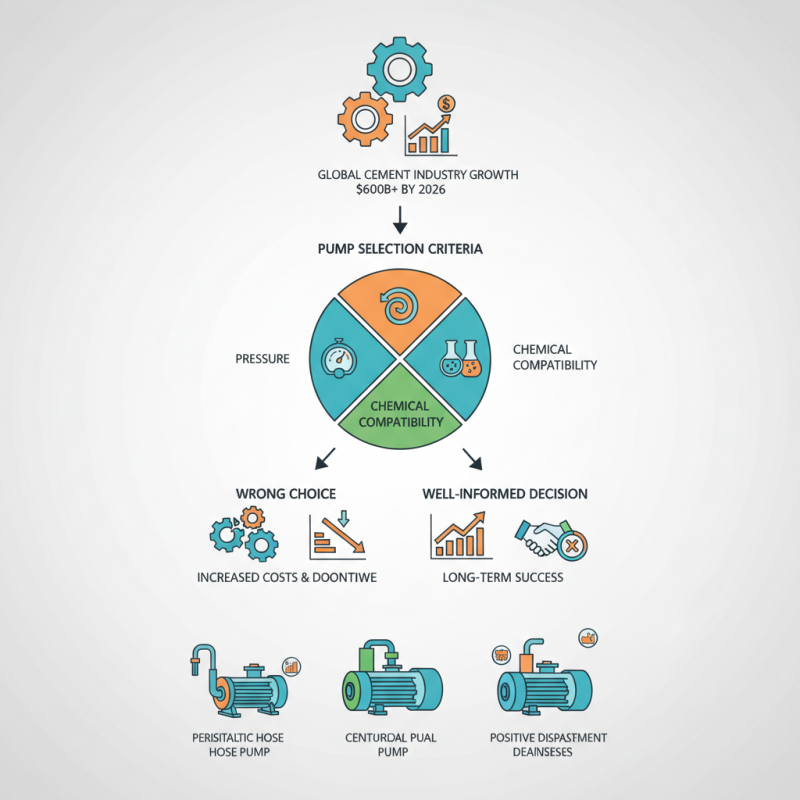
Choosing the right Cement Plant Pump is crucial for operational efficiency. With the global cement industry projected to reach a market value of over $600 billion by 2026, the demand for reliable pumping solutions is increasing. Pumps are vital for transporting slurry, water, and other materials. A wrong choice can lead to increased costs and downtime, especially in large-scale plants.
Cement Plant Pumps come in various types and designs. Each type has its own strengths and weaknesses. Data shows that improper pump selection can result in energy inefficiency and reduced lifespan. Inadequate pumps can also cause delays and interruptions. It highlights the need for careful evaluation.
Understanding specific operational requirements is essential. Factors such as pressure, flow rate, and chemical compatibility play significant roles in the selection process. Industry reports indicate that many operations overlook these details, leading to regrets later. Therefore, a well-informed decision is vital for the long-term success of cement production.
Understanding the Types of Pumps Used in Cement Plants
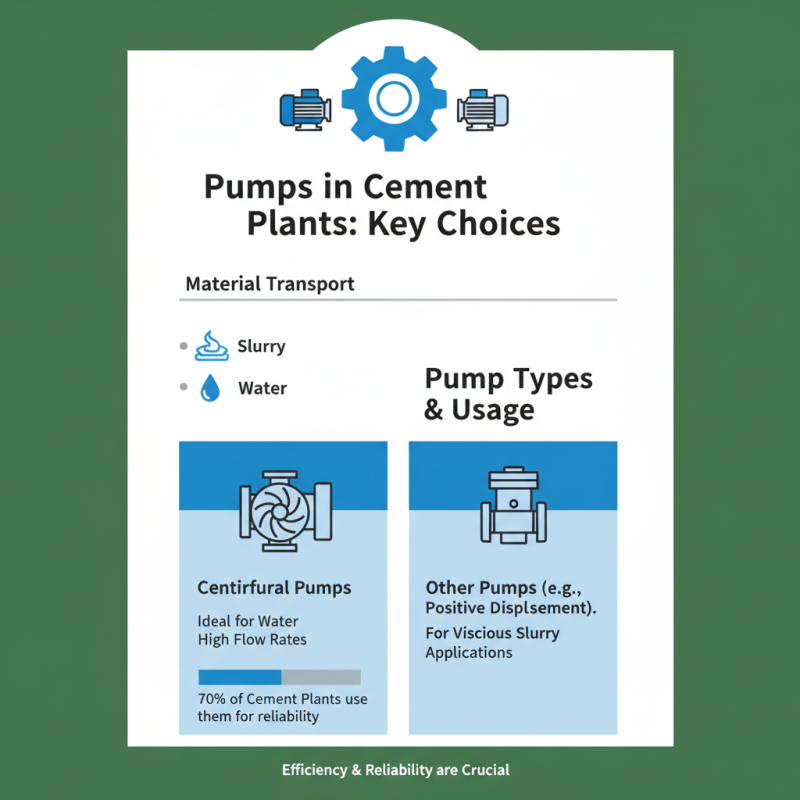
In a cement plant, the choice of pumps is critical. They serve essential roles in transporting materials like slurry and water. Misunderstanding pump types can lead to process inefficiencies. For instance, centrifugal pumps are favored for water transport due to their high flow rates. According to industry reports, around 70% of cement plants employ centrifugal pumps for their reliability.
On the other hand, diaphragm pumps are suitable for handling thick slurries. They can manage solid content without clogging easily. Data suggests that around 40% of plants utilize diaphragm pumps. However, these might require more maintenance. A pump's inefficiency can result in increased operational costs. Over time, this adds up significantly.
Rotary and positive displacement pumps are also common, each with unique characteristics. Rotary pumps are often quieter and more compact. Yet, they can be sensitive to the material viscosity. In contrast, positive displacement pumps excel in precise flow control. This versatility is essential, but potential wear and tear might shorten their lifespan. As such, regular assessments of pump performance should not be overlooked.
Key Factors to Consider When Selecting a Pump for Cement Applications
When selecting a pump for cement applications, consider several key factors. The type of cement and its viscosity significantly impact pump performance. For instance, lightweight cements require different handling compared to dense mixtures. According to industry reports, nearly 40% of pump failures in cement applications stem from improper material selection. This emphasizes the importance of understanding the specific characteristics of the cement being pumped.
Another essential factor is the pump's pressure rating. Cement pumping often requires high pressure, particularly in long-distance applications. Pumps need to withstand substantial pressure without compromising efficiency. Selecting a pump that aligns with the required pressure can significantly extend its operational life. Additionally, maintenance costs can skyrocket if the pump is not suited for the job.
**Tip:** Always evaluate the total cost of ownership, not just the initial purchase price.
Consider the environment in which the pump will operate. Factors such as temperature and exposure to abrasive materials can lead to wear and tear. A poorly chosen pump might struggle under challenging conditions, leading to unexpected downtime and repairs. Always consult with experts and review relevant data to make an informed decision.
**Tip:** Document past performance and failures to inform your choices.
2026 How to Choose the Right Cement Plant Pump for Your Needs? - Key Factors to Consider When Selecting a Pump for Cement Applications
| Pump Type |
Material Compatibility |
Max Flow Rate (m³/h) |
Discharge Pressure (bar) |
Weight (kg) |
Efficiency (%) |
| Centrifugal Pump |
Concrete, Slurry |
150 |
8 |
200 |
85 |
| Positive Displacement Pump |
Corrosive Materials |
100 |
15 |
180 |
90 |
| Diaphragm Pump |
Foaming Agents |
75 |
10 |
50 |
80 |
| Submersible Pump |
Water, Slurry |
120 |
5 |
75 |
70 |
Evaluating Pump Performance Metrics: Flow Rate and Pressure
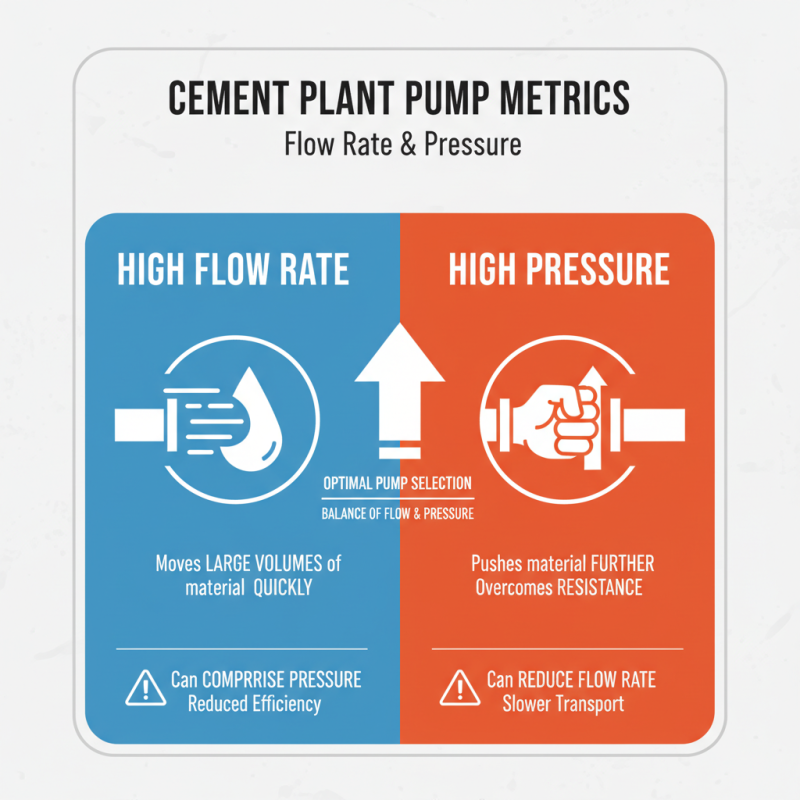
When selecting a cement plant pump, two critical performance metrics come into play: flow rate and pressure. The flow rate determines how much material the pump can move over a specific timeframe. For example, if your operation needs to handle large volumes, a higher flow rate is essential. However, selecting a pump solely based on this metric might lead to issues. Sometimes, a high flow rate can compromise pressure, affecting overall efficiency.
Pressure is equally crucial. It measures how forcefully the pump can move the material through the system. A pump may offer a high flow rate, but insufficient pressure can hinder performance in complex systems. Balancing both metrics can be challenging. Too much pressure can lead to wear and tear, while too little can result in blockages. It’s vital to assess your specific application and potential challenges.
Consider examining your facility's layout and material characteristics. These factors will influence both flow rate and pressure requirements. It's easy to overlook these details in the rush to select a pump. Reflecting on your unique needs will help in making a more informed decision. Adaptability is key: a pump that works well for one setup may not be suitable for another due to varying demands.
Maintenance Requirements for Cement Plant Pumps
When selecting pumps for cement plants, maintenance is a key factor. Regular upkeep ensures efficiency and longevity. Neglecting maintenance can lead to costly downtimes, affecting productivity.
Tip: Develop a routine checklist. Inspect seals, bearings, and impellers regularly. Focus on visual checks and vibrations. Noise often indicates underlying issues.
Watch the wear and tear. Pumps handle abrasive materials that can cause damage over time. Monitor replacement schedules. Keeping an inventory of spare parts can save time and money.
Tip: Schedule maintenance during downtime. This helps avoid disruptions in production. Document all maintenance activities for future reference. Continuous learning from past mistakes will improve operations.
Cost Considerations and Budgeting for Your Pump Investment
When considering a pump for your cement plant, budgeting is critical. Start by assessing the initial costs. Pumps vary widely in price. Lower-cost models may seem attractive but can lead to higher operational expenses later. Evaluate the total cost of ownership rather than just the purchase price.
Operational costs are often overlooked. Maintenance can drain your budget if not planned properly. Assessing your specific operational needs will help. For example, if your plant requires constant pumping, a reliable, robust pump may be worth the investment. Often, the cheaper options fail when you need them most.
It’s essential to factor in energy consumption. Some pumps are energy hogs, driving up your bills. Perform a life cycle cost analysis to see potential savings. Remember, upfront and hidden costs can impact your long-term budget. Don’t rush your choice. Taking time to reflect on all aspects of your investment is necessary.
2026 Cement Plant Pump Cost Considerations
This chart illustrates the estimated costs associated with different sizes of cement plant pumps, providing a visual comparison to help in budgeting for your pump investment in 2026.