How to Choose the Right Centrate Pump for Your Needs?
Choosing the right Centrate Pump is crucial for efficient wastewater management. According to the Global Wastewater Treatment Market report, the industry is expected to grow significantly, with a projected CAGR of 6.1% from 2021 to 2028. This growth highlights the increasing importance of selecting the proper equipment for specific applications.
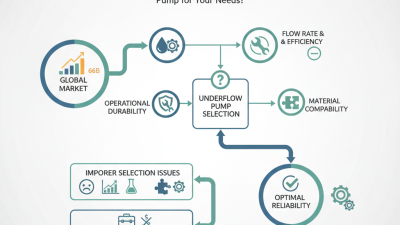
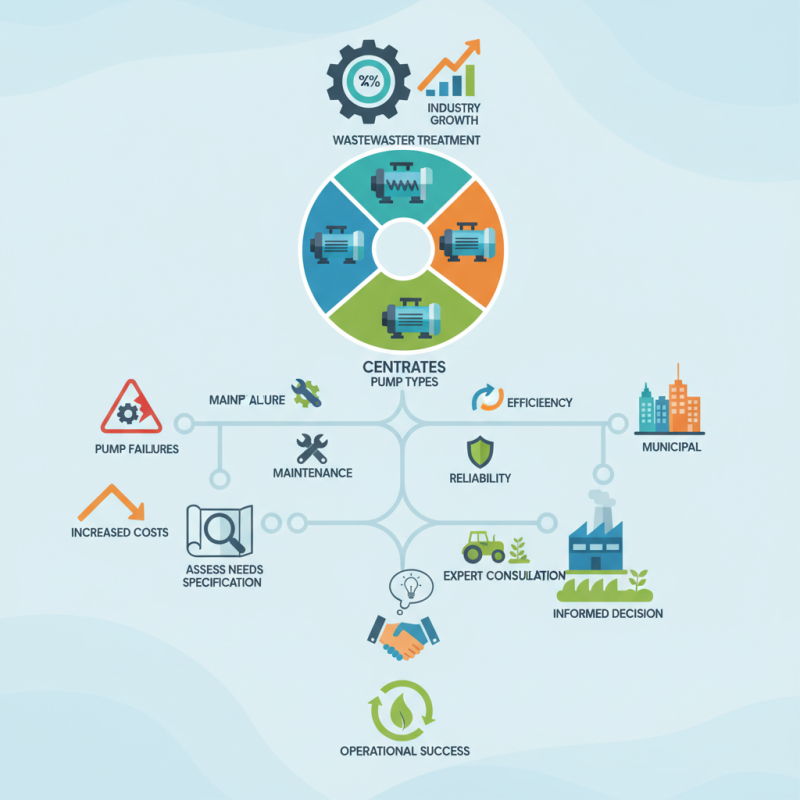
Centrate Pumps differ in design, capacity, and functionality. Each type serves distinct purposes in various sectors, such as municipal, industrial, and agricultural. It's essential for operators to assess their unique needs, ensuring the pump chosen meets efficiency and reliability standards. A recent survey indicated that 70% of facility managers reported issues correlating to pump failures, often stemming from improper selection.
Investing time in understanding Centrate Pump specifications is an investment in operational success. The wrong choice can lead to increased maintenance costs and operational downtime. Engaging with experienced professionals can provide invaluable insights. A well-informed decision not only enhances performance but also contributes to sustainability in wastewater treatment processes.
Understanding the Basics of Centrate Pumps and Their Applications
Centrate pumps play a vital role in various industrial processes. They are designed to handle the centrate, or the liquid separated from solids during filtration. Understanding their fundamentals is crucial for selecting the right type. These pumps differ in design, capacity, and durability based on specific applications.
When considering options, assess the liquid characteristics. Factors like viscosity, temperature, and solid content matter. High viscosity liquids require robust pumps that can sustain longer operation times. Pumps also vary in their ability to handle abrasive materials. In industries such as wastewater treatment, corrosive environments necessitate specialized materials for optimum performance.
Choosing the right centrates pump involves both emotion and logic. Users often prefer established models for reliability but may overlook newer technologies that offer efficiency. It’s essential to balance familiarity with innovation. Sometimes, it may require experimenting with different models to identify the best fit for your unique needs.
Identifying Your Specific Needs and Requirements for Pump Selection
Choosing the right centrate pump begins with clearly identifying your specific needs and requirements. Understanding the application of the pump is crucial. Consider the type of fluid you'll be moving. Some fluids are abrasive; others are corrosive. The pump material must withstand these characteristics.
Tips: Always measure the viscosity of the fluid. This impacts pump choice. A pump suited for water may fail for thicker fluids.
Think about the environment where the pump operates. Temperature fluctuations can affect performance. Some pumps struggle in extreme conditions. Look at power supply options as well. Is electricity available, or will you need a backup?
Tips: Consult with professionals when unsure. They can provide insights based on experience.
Finally, don't overlook maintenance needs. Some pumps require regular upkeep, while others are low-maintenance. Assess your team's ability to conduct maintenance effectively. Address these points carefully. It helps prevent future issues.
Evaluating Key Features and Specifications of Centrate Pumps
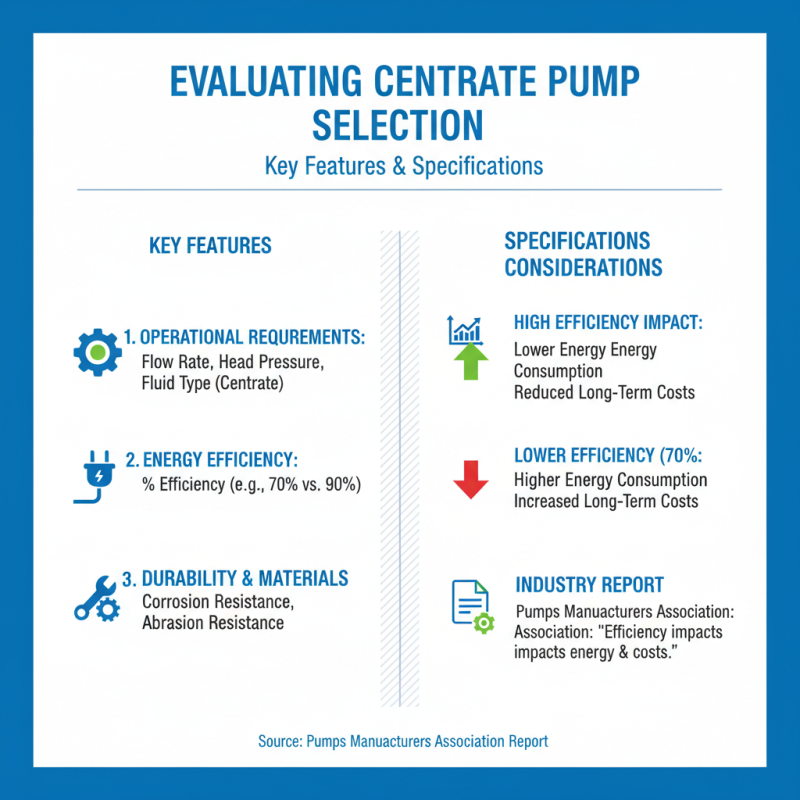
When selecting a centrate pump, key features and specifications must align with your operational requirements. A report from the Pumps Manufacturers Association highlights that the efficiency of a pump dramatically impacts both energy consumption and long-term operational costs. For instance, choosing a pump with an efficiency of 70% versus one with 90% can lead to significant energy savings.
Flow rate is another critical parameter. Depending on your application, you will need a pump that meets specific flow demands. The American Society of Mechanical Engineers provides guidelines that suggest calculating your required flow based on system design. Many operators overlook this, resulting in underperformance or overcapacity.
Additionally, consider materials and the environment in which the pump will operate. Corrosive substances may require pumps made from stainless steel or other resistant materials. A failure to account for environmental variables can lead to frequent maintenance, impacting the total cost of ownership. Regular assessments of pump performance and life expectancy are essential for ensuring reliability over time.
Comparing Different Types of Centrate Pumps Available in the Market
When considering a centrate pump, several types are available in the market. Each type has its unique specifications and best-use scenarios. For instance, positive displacement pumps are efficient for high-viscosity fluids. They provide consistent flow rates and reduce pressure fluctuations. These pumps work well in applications where precise flow is essential.
Centrifugal pumps, on the other hand, are widely used in various industries. They are effective for low-viscosity fluids and are generally easier to maintain. Users appreciate their simple design and ability to handle large volumes quickly. However, they may struggle with viscous materials. This limitation can affect performance, leading to inefficiencies.
In addition, submersible pumps are ideal for applications requiring underwater operation. They have a compact design and are great for limited space scenarios. However, they can present challenges in terms of maintenance. Users must ensure proper operation to prevent overheating. Understanding these differences is crucial when selecting a pump.
How to Choose the Right Centrate Pump for Your Needs?
| Pump Type |
Flow Rate (GPM) |
Max Head (Feet) |
Power Source |
Applications |
| Centrifugal Pump |
20-100 |
30-90 |
Electric |
Chemical Processing |
| Positive Displacement Pump |
5-50 |
20-70 |
Electric, Pneumatic |
Food & Beverage |
| Submersible Pump |
10-300 |
15-60 |
Electric |
Wastewater Management |
| Gear Pump |
3-300 |
30-80 |
Electric |
Oil & Fuel Transfer |
| Diaphragm Pump |
2-50 |
10-50 |
Air, Electric |
Pharmaceuticals |
Considering Maintenance, Cost, and Efficiency in Your Decision-Making
When choosing a centrate pump, consider maintenance needs. Regular upkeep can prevent costly failures. A pump with easy access points simplifies the maintenance process. Check if replacement parts are readily available. This can save you time and money in the long run.
Cost is another critical factor. Look at both initial purchase prices and long-term operational costs. A cheaper pump may lead to higher energy expenses. Assess energy efficiency ratings. Pumps that consume less power can significantly reduce operational costs over time.
Here are some tips for your decision-making: Ensure you understand the required flow rate for your application. This will help in selecting the appropriate pump size. Also, consider the materials used in the pump. They should be compatible with the substances being pumped. A mismatch can lead to premature wear or contamination.