How to Choose the Right Flushing Water Pump for Your Needs?
Choosing the right Flushing Water Pump can seem overwhelming. With many options available, understanding your needs is crucial. A well-selected pump enhances efficiency and prolongs service life.
Consider factors like flow rate and pressure requirements. Evaluate the space and installation conditions. Is portability important to you? Each situation demands specific features. Make sure to assess your budget and energy consumption too.
Improper selection can lead to costly issues. A pump that is too small may underperform. Too large a pump can waste energy and diminish effectiveness. Take the time to research and consult experts. Their insights can guide you toward the best choice. Seek reliable brands with proven track records. A good Flushing Water Pump is an investment that pays off.
Understanding the Types of Flushing Water Pumps Available in the Market
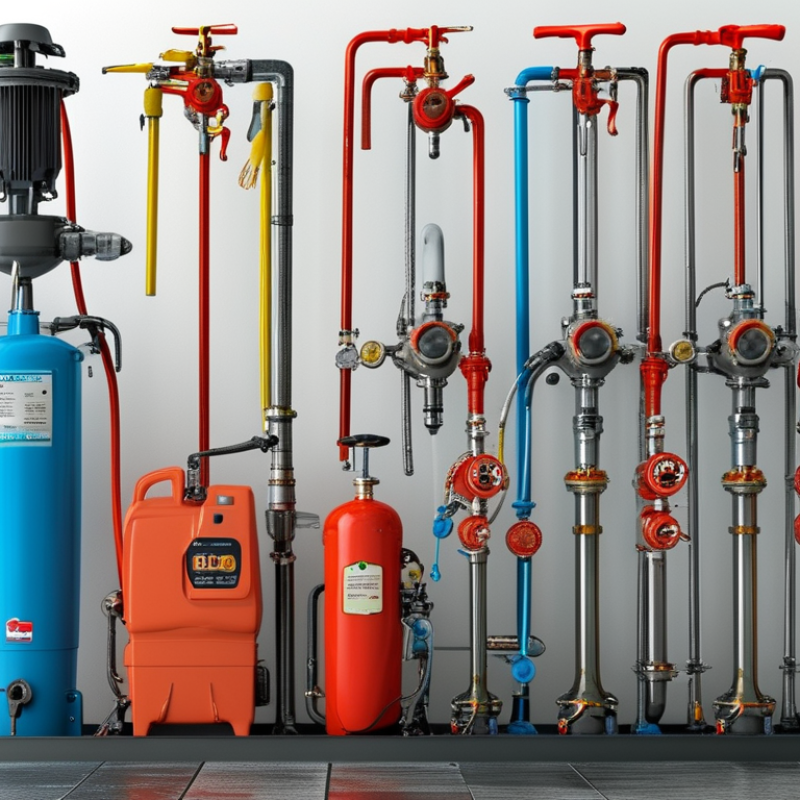
When selecting a flushing water pump, understanding the different types available is crucial. There are centrifugal pumps, submersible pumps, and diaphragm pumps. Each type serves different needs and applications.
Centrifugal pumps are popular for their high efficiency and continuous flow. They are ideal for transporting water in various systems. Submersible pumps are designed to operate underwater, making them perfect for deep wells. Diaphragm pumps, on the other hand, are used for handling viscous fluids and can provide precise dosing.
Tips: Evaluate your specific needs before choosing a pump.
Consider the flow rate, pressure requirements, and the type of liquid being pumped. Take into account the pump's material compatibility with the fluid. If you are unsure, consulting with a water pump expert can save time and money.
Furthermore, the pump's size and power rating are significant. A pump that is too small may not meet your demand, while an oversized pump can waste energy. Monitor performance regularly to ensure it meets your system’s requirements. Regular checks can help identify issues early, potentially saving costly repairs. Always keep future needs in mind, too. Flexibility in applications can lead to better long-term satisfaction.
Identifying Your Specific Water Pumping Needs and Requirements
Identifying your specific water pumping needs is crucial before selecting a flushing water pump. Understanding your requirements involves considering factors such as the flow rate and pressure you need. According to industry reports, optimal flow rates for residential applications typically range from 10 to 50 gallons per minute. Assessing these needs can minimize both energy waste and operational costs.
The next step is to evaluate the total dynamic head (TDH) for your system. TDH includes vertical distance and friction loss in pipes. Many professionals report that neglecting this aspect can lead to inefficiencies and potential pump failure. It’s essential to measure elevations accurately and account for pipe material. For example, plastic piping has different friction losses compared to metal, impacting your pump choice.
Consider the specific application too. Are you pumping clean water or handling waste? The type of fluid can greatly influence pump design and durability. As noted in various engineering studies, pumps suited for aggressive fluids require different materials and construction. When choosing a pump, reflect on your choices and their long-term implications. Simpler isn’t always better; complexity might offer reliability, but maintenance could increase costs.
Evaluating Key Specifications and Features of Flushing Water Pumps
Choosing the right flushing water pump requires careful evaluation of key specifications.
Flow rate is crucial; it determines how much water can be moved in a given time.
A high-flow pump can boost efficiency, especially in large applications. Data indicates that pumps with flow rates exceeding 100 GPM are suitable for commercial operations, while residential needs often fall between 30-50 GPM.
Another important aspect is the pressure rating. It affects how far water can be pushed.
Consider systems needing a minimum of 40 PSI. A report by the American Society of Mechanical Engineers notes that pumps with adjustable pressure features offer better adaptability.
This can be beneficial for fluctuating operational needs.
Durability and material quality are also vital.
Pumps crafted from corrosion-resistant materials tend to have a longer lifespan. Industry surveys show that users often face issues with pumps failing prematurely,
highlighting the need for better material selection. Ultimately, understanding specific requirements can help overcome common challenges in selecting the right pump.
Assessing Budget and Cost Considerations for Your Pump Selection
When considering the right flushing water pump, budget and cost are crucial. These elements can significantly affect your selection process. Begin by determining your financial ceiling. A clear budget establishes boundaries and helps narrow options. Unsurprisingly, higher-priced models often include advanced features. However, that doesn’t always mean they fit your specific needs.
Next, consider the long-term costs associated with maintenance and operational efficiency. A cheaper pump may seem attractive initially, but if it requires frequent repairs, you will incur more costs over time. Research about lifespan and warranty details is vital. Users often overlook these aspects. Reliable pumps typically offer robust warranties. It’s important to think about not just upfront costs but overall value.
Additionally, be aware of your specific usage requirements. Some pumps might seem financially feasible but are not suited for heavy-duty tasks. Reflect on your situation; sometimes a slightly more expensive option will save money in the long run. Take time to assess your needs. Remember, a well-informed decision today translates to reduced worries tomorrow. Evaluate all costs carefully and ensure the pump you choose aligns with your objectives.
How to Choose the Right Flushing Water Pump for Your Needs?
| Pump Type |
Flow Rate (GPM) |
Head Height (ft) |
Power Consumption (W) |
Estimated Price ($) |
Best Use Case |
| Submersible Pump |
10 |
20 |
500 |
150 |
Residential drainage |
| Centrifugal Pump |
20 |
30 |
750 |
300 |
Irrigation systems |
| Diaphragm Pump |
5 |
15 |
300 |
200 |
Chemical transfer |
| Gear Pump |
8 |
25 |
400 |
350 |
Oil delivery |
| Positive Displacement Pump |
15 |
10 |
600 |
400 |
Food processing |
Researching and Comparing Brands and Models for Optimal Performance
Choosing the right flushing water pump requires thorough research. This process often feels overwhelming due to the variety of brands and models available. Start by understanding your specific needs. Consider flow rates, pressure requirements, and the size of the area you'll service. Each pump has unique features that cater to different situations.
Comparing brands involves gathering data from various sources. Look for detailed specifications on performance, reliability, and customer reviews. Real user experiences can reveal strengths and weaknesses that aren’t immediately evident. This is where you might find common issues. Sometimes a highly-rated brand may not suit your particular requirements.
Think about long-term maintenance as well. Some pumps may seem cheaper upfront. However, they can incur higher maintenance costs later. Researching warranty terms and customer support quality is essential. Not every model will operate flawlessly for years. Reflecting on these aspects can guide you toward a more informed decision.
Flushing Water Pumps Performance Comparison