Top 10 Benefits of Using Introduced Air Fans for Your Home?
In today’s world, achieving a comfortable home environment is essential for wellbeing. One effective way to enhance air quality and circulation is through the use of an Introduced Air Fan. These fans provide a unique solution for improving airflow while ensuring that indoor air remains fresh and healthy.
Unlike traditional fans, Introduced Air Fans work by bringing in outside air, which can help reduce the buildup of indoor pollutants. Their design allows them to disperse air evenly throughout a room. This not only maintains a pleasant temperature but also creates a more inviting atmosphere. The benefits of using these fans extend beyond comfort; they can also lower energy costs by reducing reliance on air conditioning.
However, like any product, Introduced Air Fans have drawbacks that warrant consideration. Their efficiency can vary depending on climate conditions and home layout. It’s important to evaluate your specific needs before making a commitment. Understanding these factors can lead to a more informed choice, enhancing the overall efficiency of your home's air quality management system.
Advantages of Improved Air Circulation in Living Spaces
Improved air circulation can greatly enhance your living environment.
Research indicates that homes with better airflow maintain a more consistent temperature.
According to the Department of Energy, improved air distribution can save homeowners up to 20% on heating and cooling costs.
This efficiency not only promotes comfort but also can lead to significant savings.
Additionally, proper air circulation helps mitigate indoor air pollution.
The Environmental Protection Agency (EPA) suggests that indoor air can be two to five times more polluted than outdoor air.
By using introduced air fans, you can reduce the concentration of harmful pollutants indoors.
This is crucial for families, especially those with children or individuals with respiratory issues.
However, achieving optimal air circulation can be challenging. Factors such as furniture placement and room layout play a role in airflow patterns.
Some homeowners may find it difficult to evaluate their space effectively. Utilizing airflow assessment tools can be beneficial, yet many people overlook this step.
Regular maintenance of air circulation systems is also essential to ensure they function as intended.
Energy Efficiency: How Introduced Air Fans Lower Utility Costs
Introduced air fans offer significant energy efficiency advantages for homeowners. According to the U.S. Department of Energy, ceiling fans can reduce energy costs by up to 30%. By circulating air effectively, these fans help maintain a comfortable room temperature. This can lead to lower reliance on air conditioning systems, leading to substantial savings on utility bills. For example, a homeowner could save around $300 annually with consistent use.
Utilizing introduced air fans is a smart strategy during warmer months. They consume much less energy compared to air conditioning units. A standard fan uses about 75 watts, while an AC unit can draw over 2,000 watts. This stark difference in energy consumption highlights the benefits of using fans.
Tip: To maximize efficiency, make sure to reverse the fan direction in winter. This helps push warm air back down into the living space. Also, consider installing timers or smart controls. They can help ensure the fans operate only when needed, improving your energy management further.
These adjustments may seem minor, but they can have a significant impact on energy consumption and comfort. Analyze your patterns and habits to find the best approach for your household.
Enhanced Indoor Air Quality and Comfort With Air Fans
Indoor air quality significantly affects our health and comfort. Introduced air fans can enhance this quality by promoting better airflow. Research indicates that poor indoor air quality contributes to respiratory issues. According to the U.S. Environmental Protection Agency, indoor air can be two to five times more polluted than outdoor air. This makes effective ventilation crucial.
Air fans help dilute indoor pollutants and reduce high humidity levels. High humidity can lead to mold growth, which poses health risks. The World Health Organization reports that damp indoor environments can increase the likelihood of respiratory diseases. By circulating air, fans help maintain balanced humidity levels. This not only prevents mold but also creates a fresher ambiance.
While air fans offer benefits, they may not work equally well in every situation. For larger rooms, a single fan might not provide sufficient airflow. Additionally, the placement of fans matters. If located in the wrong spot, a fan may struggle to effectively distribute air. These aspects require reflection and adjustment. Balancing fan use with other ventilation methods is essential for optimal indoor air quality.
Noise Reduction Benefits of Using Introduced Air Fans at Home
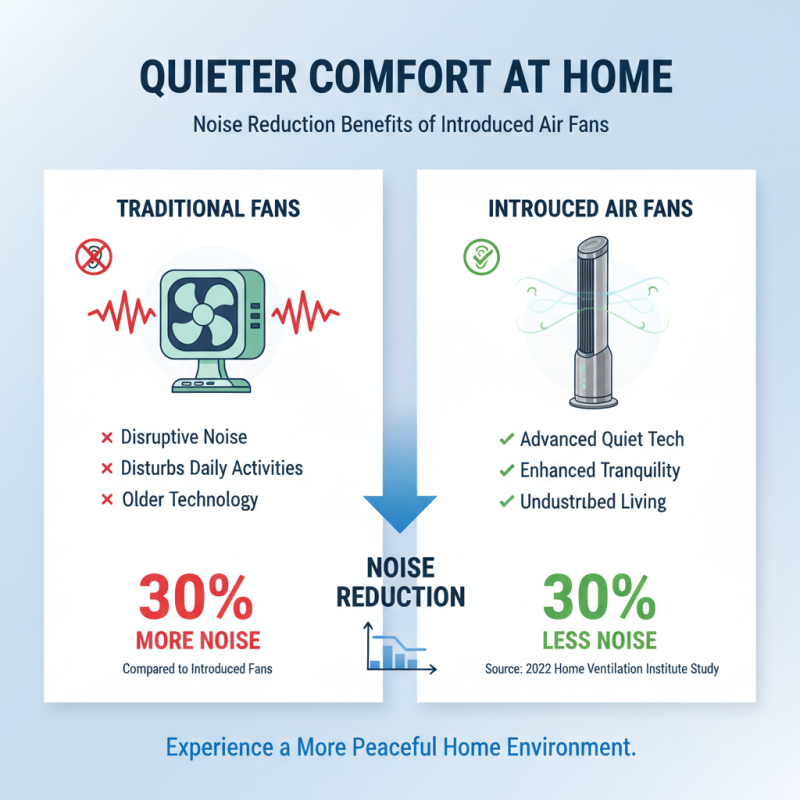
Noise reduction is a significant advantage of using introduced air fans at home. Traditional fans often produce disruptive sounds that can disturb daily activities. In contrast, introduced air fans utilize advanced technology for quieter operation. According to a 2022 study by the Home Ventilation Institute, introduced air fans can reduce noise levels by nearly 30% compared to conventional models. This quieter atmosphere enhances comfort and tranquility within living spaces.
Moreover, reduced noise levels contribute positively to overall well-being. Scientific research indicates that lower noise exposure can lead to better sleep quality and lower stress levels. A report published by the World Health Organization, in 2021, highlights that sustained noise pollution can increase anxiety and decrease productivity. Homeowners are increasingly recognizing the value of a peaceful environment. By incorporating introduced air fans, families can maintain a serene atmosphere without the jarring sounds of traditional cooling systems.
Despite these benefits, not all introduced air fans perform equally. Some models may still fall short of silent operation in specific conditions. It’s essential for consumers to research and compare specifications before making a purchase. The key lies in finding a fan that balances efficiency and sound levels, ensuring that homeowners do not compromise on comfort due to poor choices.
Versatile Applications of Introduced Air Fans in Different Rooms
Introduced air fans are adaptable and can enhance air circulation in various rooms. In living areas, they help maintain a comfortable temperature during gatherings. A gentle breeze can make a significant difference on hot days. Their compact design allows easy placement, ensuring everyone can benefit from the airflow.
In kitchens, introduced air fans can help reduce heat and odors. Cooking generates steam and smells that can linger. A fan assists in keeping air fresh and encourages better ventilation. In bathrooms, proper airflow is crucial. Fans help prevent moisture buildup, reducing mold and mildew risks. Regular use can create a healthier environment.
While introduced air fans are beneficial, there can be downsides. They may create noise, which can be distracting. Finding a quiet model is essential for bedroom use. Occasionally, fans can circulate dust and allergens. Regular cleaning ensures better air quality and performance. Careful placement and maintenance can maximize their efficiency while minimizing drawbacks.