7 Best Clean Water Pumps for Global Buyers?
A clean water pump can look simple on a product page: a compact housing, a threaded outlet, and a flow-rate figure in bold. Choosing the right model takes more care. Buyers must match the pump to the water source, required pressure, pipe length, and daily demand. A pump suited to a shallow tank may struggle with a deep well. A high flow rate can also mislead when it is measured without the system’s actual lift and pipe losses.
Water researcher Peter H. Gleick has long emphasized the importance of reliable water access; that principle makes dependable pumping equipment part of a larger water-supply decision. This guide compares seven options for global buyers, focusing on practical details such as materials, power requirements, installation, maintenance, and available documentation. These details matter. A stainless-steel body may resist corrosion, but seals and impellers still need checking. Voltage and plug standards vary by market, so confirm them before ordering.
No single model fits every site. That is easy to forget when a price looks attractive. The comparisons below are intended as a starting point, not a substitute for checking the manufacturer’s specifications and local water conditions. Buyers should verify performance at the required head, review service support, and ask how replacement parts can be obtained. Small details can decide whether a Clean Water Pump performs reliably—or becomes an expensive lesson.
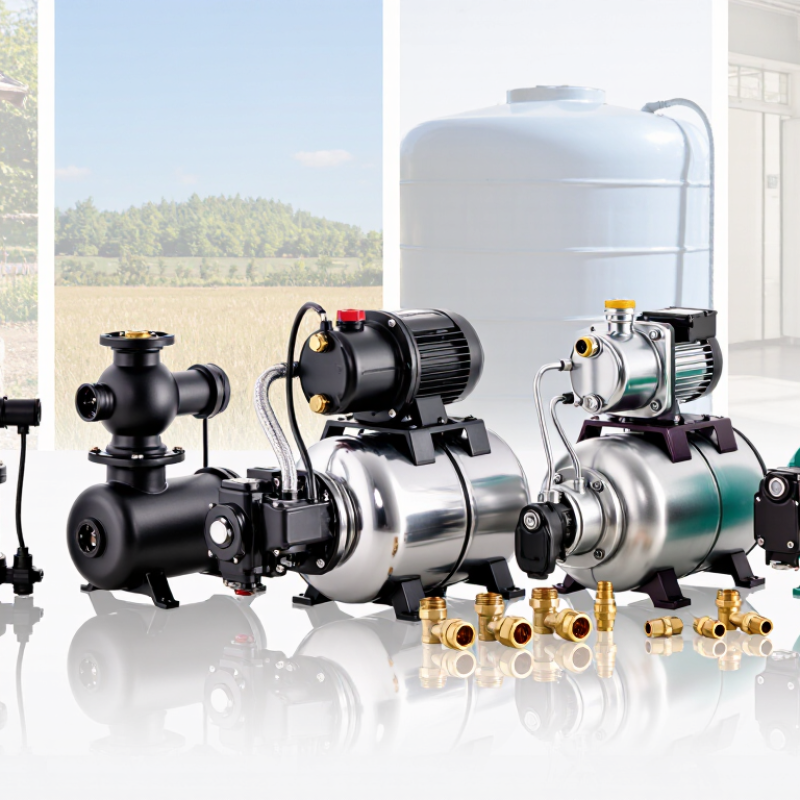
What Clean Water Pumps Are and How They Work
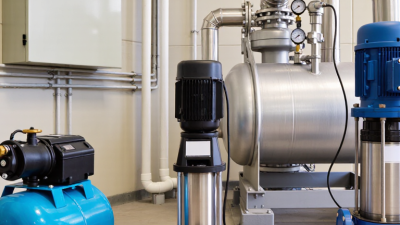
A clean-water pump moves relatively low-solids water from a well, tank, or treatment system to where it is needed. A motor turns an impeller in a centrifugal pump, adding speed and pressure to the water. In a positive-displacement pump, moving chambers push measured volumes through the outlet. Submersible pumps sit underwater and push water upward; surface pumps draw it in, but suction height limits their reach.
The term “clean water” can mislead. A pump moves water; it does not automatically remove germs, chemicals, or fine sediment. The World Health Organization and UNICEF’s 2023 Joint Monitoring Programme reported that 2.2 billion people lacked safely managed drinking-water services in 2022. Reliable pumping is one part of access, alongside safe sources, treatment, and maintenance. In practice, buyers should match flow rate and total lift to the site, then check water temperature and sediment levels against equipment specifications. A pump that seems powerful may still perform poorly with a narrow pipe or a deep water table. Small details matter. And maintenance is easy to underestimate: worn seals or a clogged intake can reduce flow before the motor fails.
Main Types of Clean Water Pumps for Global Buyers
Clean-water pumps serve homes, farms, buildings, and light industrial systems. The main types differ in how they move water and where they are installed. Centrifugal pumps are common for steady flow from tanks, wells, or supply lines. They work well when the water contains little or no suspended material. A submersible pump sits underwater, making it useful for deep wells and storage tanks. Its sealed motor avoids the need for a separate suction line.
Self-priming pumps can clear air from the suction pipe after setup, which helps when water levels or operating conditions vary. Booster pumps increase pressure in plumbing systems, especially where several outlets may run at once. For any type, compare required flow, head, power supply, and water-contact materials. A pump that looks suitable on paper may struggle if pipe friction or elevation is overlooked. Small details matter.
Tips: Check the pump curve against your actual duty point, not just the maximum flow listed on a label. Confirm inlet size, dry-run protection, and maintenance access. For drinking-water use, verify that wetted materials meet the relevant local requirements. Simple, but important. A modest safety margin helps, though oversizing can waste energy and cause frequent cycling.
Key Factors for Choosing a Clean Water Pump
Choosing a clean-water pump starts with the job, not the advertised maximum flow. Estimate how much water you need per minute and how high it must travel, including friction from long or narrow pipes. A pump rated for a high flow may deliver much less at that height. Check the performance chart at your actual operating point. It is easy to overlook this.
Water that looks clear can still carry fine sand or grit. Check the pump’s permitted particle size and choose materials suited to the water and installation environment. For a household or irrigation system, compare the required flow with typical daily use, not just peak demand. Also confirm the available voltage and frequency, power supply, inlet size, and whether the pump can run continuously. Small details matter. A mismatch can mean poor performance or extra wear.
Consider how the pump will be installed and maintained. Leave room to reach the inlet, seals, and electrical connections, and use suitable pipework to limit leaks and air entering the system. Ask for a clear performance curve, operating instructions, and information about replacement parts and service support in your region. In practice, these details can matter more than a small difference in purchase price. Still, calculations are estimates; actual output can change with pipe layout, water level, and installation quality.
Seven Clean Water Pumps Compared by Performance and Use
Clean-water pumps serve different jobs, even when their labels sound similar. A shallow-well jet pump suits modest lifts and accessible wells. A deep-well jet pump can draw from greater depths, but usually needs careful priming and more space. For steady transfer between tanks, an end-suction centrifugal pump is often practical. Check the pump curve, not horsepower alone.
A multistage centrifugal pump can provide higher pressure for irrigation or building supply. A submersible pump sits below the water surface, reducing suction problems in deep wells. It can be harder to inspect, though. A booster pump raises pressure in an existing line; it does not solve a weak water source. A solar-powered surface pump can work well where electricity is limited, but output changes with sunlight. Not always predictable.
Compare flow rate, total head, power supply, and water temperature before choosing. Clear water can still contain fine sand, which may wear impellers and seals. Use the manufacturer’s published limits and allow for pipe losses, bends, and elevation changes. A quiet pump is not necessarily an efficient one. I find this comparison imperfect: site conditions can change the best choice more than the pump category does. Measure the actual lift and demand where possible. Check the curve.