2026 Top Vapor Compressor Trends for Global Buyers?
The vapor compressor market is evolving rapidly, driven by advancements in technology and increasing demand. In 2026, buyers need to stay informed about the latest trends. Understanding vapor compressor innovations can greatly enhance operational efficiency.
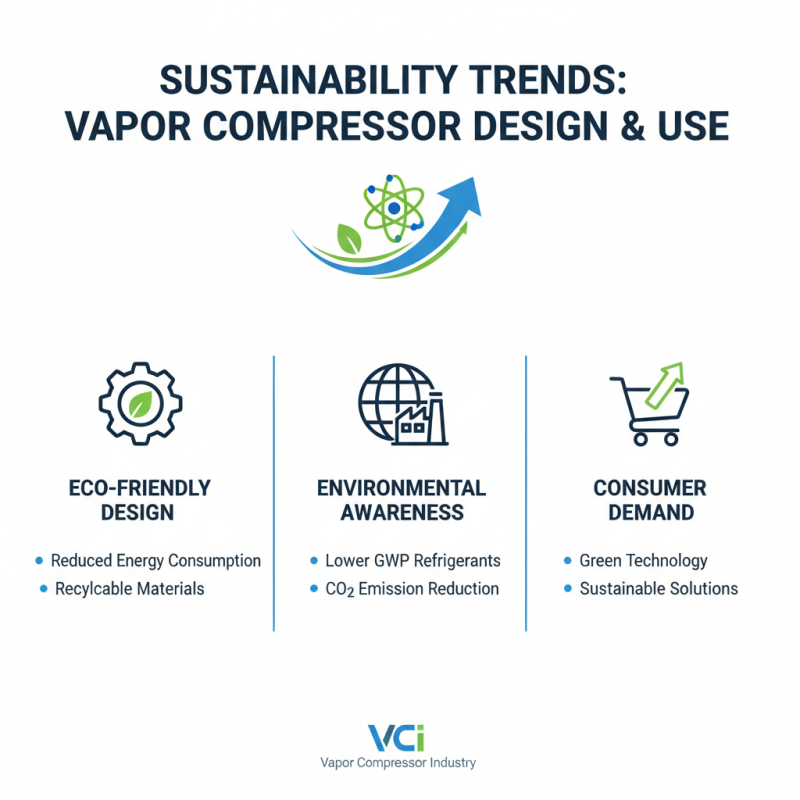
Recent developments showcase the emergence of eco-friendly compressors. These models reduce carbon footprints while maintaining performance. Many companies are exploring hybrid systems, combining traditional methods with renewable energy sources. This shift is crucial as industries aim for sustainability.
However, navigating these changes poses challenges. Buyers must evaluate product reliability and supplier reputation. Poor choices can lead to costly downtime and maintenance issues. An informed decision requires thorough research and expert insights. The landscape is complex, but staying updated on these trends will empower buyers in 2026 and beyond.
Key Innovations in Vapor Compressor Technology for 2026
The vapor compressor technology landscape is evolving rapidly as we head toward 2026. Recent reports indicate that the global vapor compressor market is expected to reach $32 billion by 2026, driven by advancements in energy efficiency and performance reliability. Key innovations include the integration of IoT technologies, enabling real-time monitoring and predictive maintenance. This shift prioritizes operational efficiency and reduces unexpected downtime, essential for industries relying on precise environmental controls.
Another notable trend is the increased focus on eco-friendly refrigerants. According to the International Institute of Refrigeration, newer refrigerants can lower global warming potential by up to 50%. This change is not just regulatory compliance; it's a commitment to sustainable practices. Manufacturers must navigate the complexities of these new materials, which can complicate existing systems. Adapting to these requirements can pose challenges, yet the benefits may outweigh initial hurdles.
Additionally, advancements in compressor design, such as the use of variable-speed drive technology, are making significant impacts. This technology allows for better load matching and energy savings. A report by ResearchAndMarkets highlights that variable-speed compressors can enhance energy efficiency by up to 30%. However, companies must invest time and resources to train staff on these advanced systems, indicating a transitional phase that requires careful management.
Market Growth Projections for Vapor Compressors in the Global Economy
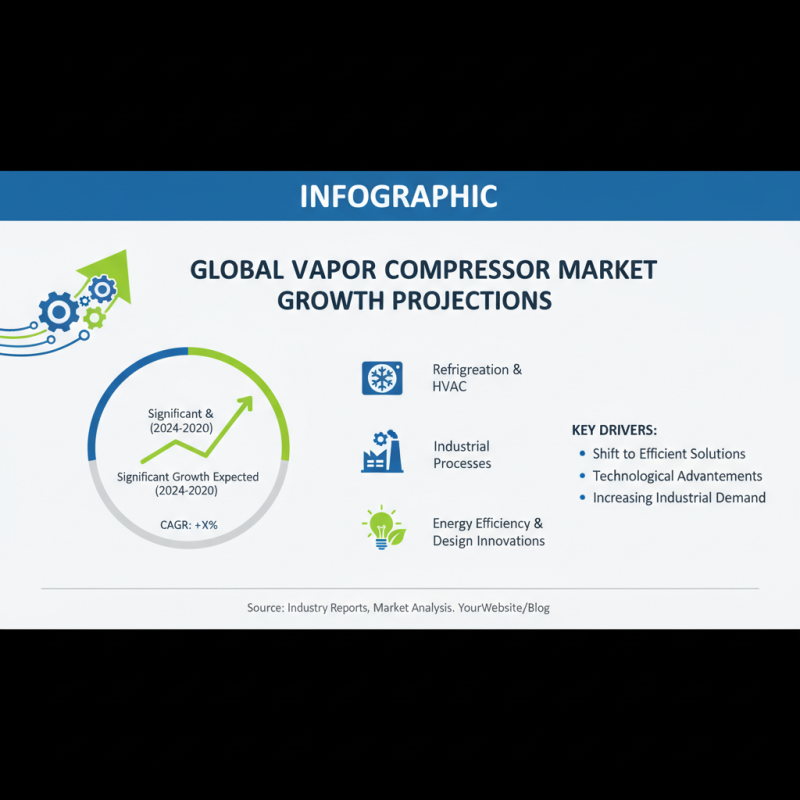
The vapor compressor market is poised for significant growth in the coming years. As industries shift towards more efficient solutions, demand for advanced vapor compressors rises. These compressors play a pivotal role in refrigeration, HVAC systems, and industrial processes. Innovations in energy efficiency and design are leading this growth.
Market projections indicate a notable increase in the adoption of vapor compressors by global buyers. Factors such as rising energy costs and the push for sustainability significantly impact this trend. Businesses are prioritizing eco-friendly technologies. This creates opportunities for manufacturers to offer innovative solutions that meet both performance and environmental standards.
However, challenges remain. Some companies struggle to integrate new technologies. Training staff and retrofitting existing systems can prove difficult. Additionally, the global supply chain disruptions have created uncertainties. Buyers must approach this evolving market with careful consideration and adaptability to fully leverage the potential benefits.
Competitive Landscape: Leading Players in Vapor Compressor Manufacturing
The vapor compressor market is witnessing significant shifts amid technological advancements and sustainability goals. Industry reports indicate that the global vapor compressor market is projected to grow at a CAGR of 4.2% from 2021 to 2026. This growth reflects an increasing demand across various sectors, including refrigeration and HVAC systems. However, understanding the competitive landscape is crucial for buyers.
Leading players in vapor compressor manufacturing focus on innovation. They invest heavily in R&D to enhance efficiency and reduce energy consumption. A recent study highlighted that energy-efficient models can cut operational costs by nearly 30%. This is a significant consideration for buyers prioritizing long-term value. However, the reliability of new technologies must also be assessed. Improved efficiency can sometimes come at the cost of performance stability.
Buyers should be aware of the varying standards across manufacturers. Some companies prioritize sustainability but may lack the same level of technical support. A careful evaluation of supplier credentials becomes essential. The choice of vendor can impact the overall cost and effectiveness of the system. Keeping these factors in mind will aid buyers in making informed decisions in this competitive landscape.
2026 Top Vapor Compressor Market Trends
Consumer Preferences Shaping the Future of Vapor Compressors
The future of vapor compressors is heavily influenced by consumer preferences. Buyers are becoming more informed and conscious about energy efficiency and sustainability. This shift is prompting manufacturers to innovate. They are focusing on designs that reduce energy consumption without compromising on performance.
Tips: Consider evaluating energy ratings when selecting a vapor compressor. High ratings often mean lower operational costs. Prioritize features that enhance ease of use and maintenance.
Another significant trend is the demand for smarter technology. Customers are now looking for compressors that integrate with IoT systems. These allow for real-time monitoring and diagnostics. This transformation could streamline operations, making it easier for users to troubleshoot issues.
Tips: Research automation options to find compressors that offer smart features. This could lead to substantial time savings and improved efficiency in operations. Engage with community forums to understand real user experiences and insights about various models.