2026 Top Coking Introduced Draft Fan Innovations and Trends?
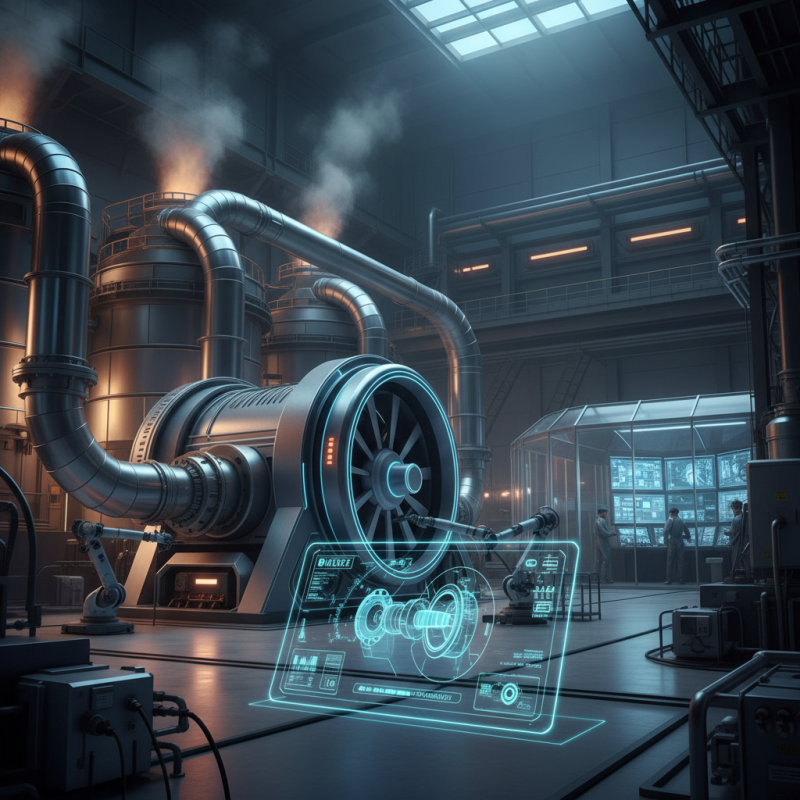
As industries evolve, the innovations in the Coking Introduced Draft Fan are noteworthy. These fans are essential in improving airflow and energy efficiency in coking processes. Enhanced designs are emerging, focusing on sustainability and reliability.
Recent trends highlight automation and integration with advanced control systems. The adaptability of these fans is becoming crucial. Manufacturers are striving for improved performance while minimizing energy consumption. Balancing efficiency and cost remains a challenge.
Reflections on past designs show room for improvement. Some coking plants still use outdated technology. Upgrading these systems is necessary for better output. Industry leaders must embrace change to meet future demands effectively. The journey of innovation continues, shaping the future of coking processes.
Overview of Coking Fan Technology in 2026
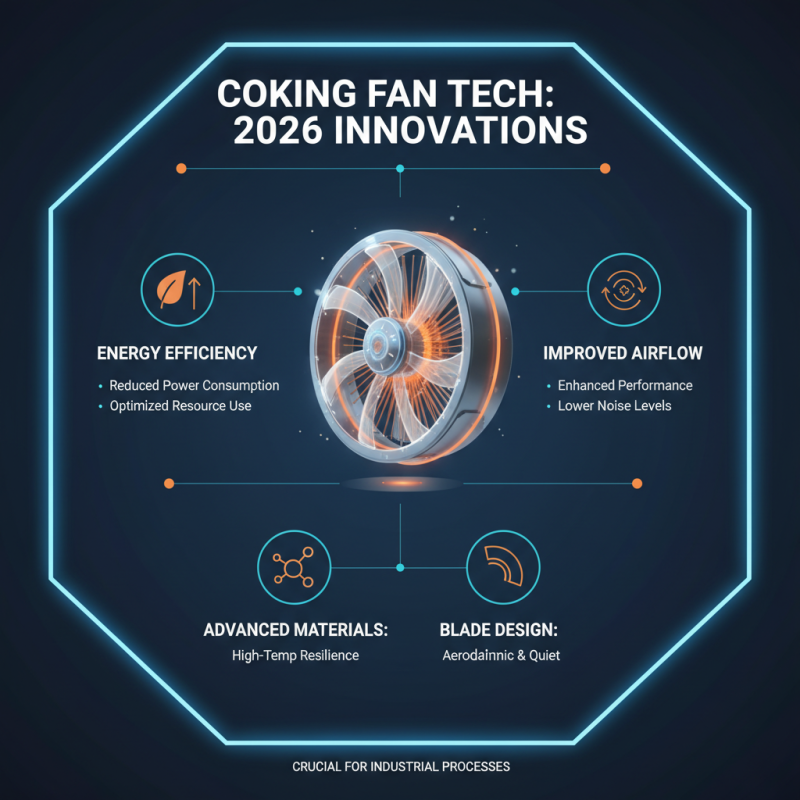
Coking fan technology has seen transformative changes in 2026. Innovations focus on energy efficiency and improved airflow. These fans play a crucial role in industrial processes. Key developments include advanced materials that withstand high temperatures. Enhanced blade designs optimize performance and reduce noise levels.
Tips: Regular maintenance is essential for fan longevity. Check for wear and tear frequently. Small adjustments can prevent bigger problems later.
Safety remains a priority. Fans must operate safely in demanding environments. Continuous monitoring systems have been integrated. They ensure optimal performance and quick detection of issues. Still, some facilities struggle with outdated systems. Investing in modern technology can yield significant long-term benefits.
The trend is shifting toward automation. This provides precise control over fan operations. However, the transition can be challenging. Staff must adapt to these new technologies effectively. Ongoing training is vital as coking fan technology evolves. Embracing change can lead to increased productivity and safety.
Key Innovations in Draft Fan Design for Coking Applications
In the realm of coking applications, innovations in draft fan design are reshaping the industry landscape. Recent trends indicate a significant shift towards energy efficiency. A report from the International Energy Agency (IEA) reveals that integrating advanced fan technologies can lead to energy savings of up to 30%. This is crucial for industries aiming to reduce operational costs and meet environmental standards.
Moreover, noise reduction has become a priority. Noise pollution in industrial settings can hinder worker productivity and compliance. New designs are focusing on acoustic dampening technologies. Reports suggest that innovations in blade geometry and materials can decrease noise levels by nearly 50%. This focus reflects a growing awareness of the work environment.
However, challenges persist with maintenance and reliability. Some advanced systems may require more frequent checks. Balancing performance enhancements and upkeep is essential for sustained operation. Companies must consider long-term impacts when investing in these technologies. The dialogue surrounding draft fan innovations is ongoing, and critical feedback will drive future developments.
Trends Influencing the Future of Coking Draft Fans
The future of coking draft fans is shaped by several emerging trends. One significant trend is the push for energy efficiency. Many industries are recognizing the need to reduce energy consumption. Advanced designs and materials are playing a crucial role in achieving this goal. Innovative technologies such as variable speed drives are also gaining traction. They enable fans to adjust their speed based on demand, which optimizes energy use.
Another important trend is the focus on environmental sustainability. Manufacturers are exploring ways to minimize emissions. This includes using eco-friendly materials in fan construction. Additionally, there is a growing interest in noise reduction technologies. Many companies are now prioritizing quieter operations. The challenge lies in balancing performance and sound levels, which requires ongoing research and refinement.
Integration with IoT technology is another exciting development. Smart draft fans can offer real-time monitoring and diagnostics. This capability enhances operational efficiency but raises questions about data security. The industry must navigate these complex challenges as it evolves. The road ahead is promising but also requires careful thought and adjustment. Every innovation brings its own set of issues to consider.
Trends in Coking Draft Fan Innovations (2026)
Comparative Analysis of Traditional vs. Modern Coking Fans
In the world of coking, traditional fans have long been the backbone of production. These conventional systems often use basic mechanical components. They can be less efficient in energy use, leading to increased operational costs. Also, they may struggle with maintaining consistent airflow. This inconsistency can affect product quality.
On the other hand, modern coking fans have innovated significantly. They incorporate advanced technologies. For instance, variable speed drives allow for better airflow management. This leads to improved energy efficiency. Moreover, these fans often feature intelligent monitoring systems. They provide real-time data, which helps in predictive maintenance. However, such advancements come at a higher initial cost. Companies must weigh the benefits against these expenses. This shift raises questions: Are businesses ready to invest in modernization? Efficiency is critical, but how to balance costs and benefits?
2026 Top Coking Introduced Draft Fan Innovations and Trends - Comparative Analysis of Traditional vs. Modern Coking Fans
| Feature |
Traditional Coking Fans |
Modern Coking Fans |
| Energy Efficiency |
65% Efficiency |
85% Efficiency |
| Noise Level (dB) |
80 dB |
60 dB |
| Maintenance Frequency |
Monthly |
Quarterly |
| Cost of Installation |
$25,000 |
$18,000 |
| Control Technology |
Mechanical |
IoT-enabled Smart Control |
| Life Span |
10 Years |
15 Years |
Impact of Environmental Regulations on Coking Fan Innovations
The coking industry faces increasing pressure from environmental regulations. In 2021, global emissions from coking plants reached approximately 830 million tons of CO2. This figure underscores the urgent need for innovation. New coking fan technologies aim to reduce these emissions. Advanced materials and designs enhance efficiency and lower energy consumption.
Recent trends show a shift towards more sustainable practices. The use of variable speed drives can optimize airflow, leading to lower operational costs. Reports indicate that these innovations can cut energy usage by 15-20%. However, these advancements require significant investments. Many coking facilities struggle with limited budgets, making it challenging to implement these technologies.
As regulatory scrutiny intensifies, the industry must adapt. The integration of cleaner technologies is no longer optional. Failure to comply could result in hefty fines and project shutdowns. The transition is ongoing, yet the urgency is palpable. Achieving a balance between innovation and compliance is crucial for coking operations. Embracing change is essential, but not without its hurdles.