2026 Best Mixing Pump Options for Efficient Industrial Applications?
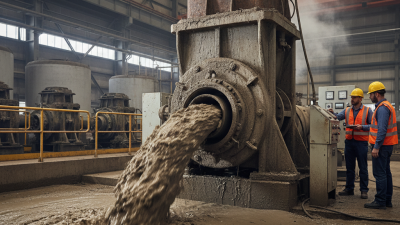
In 2026, industries are increasingly relying on efficient mixing pump technologies. These pumps are essential for various applications, from chemical processing to food production. They ensure homogeneous mixtures, improving product quality and processing speed.
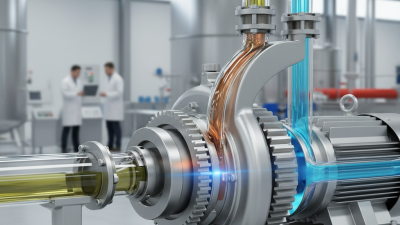
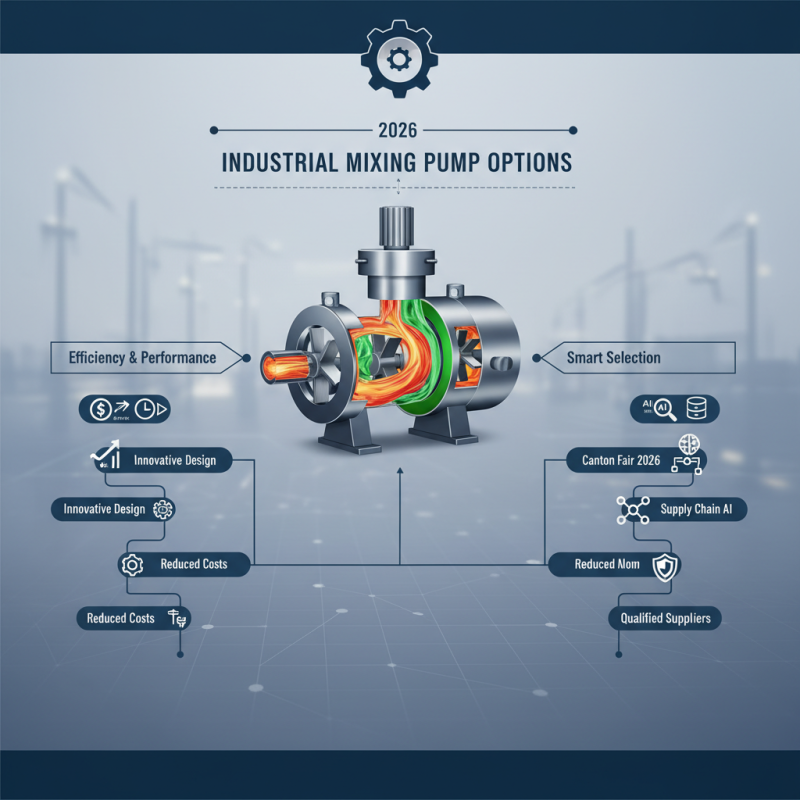
Advanced mixing pump options incorporate innovative designs and technology, enhancing performance and energy efficiency. The right selection can significantly reduce operational costs and improve output consistency. However, finding the ideal mixing pump can be a challenge, as not all products meet high standards.
As highlighted at the 2026 Canton Fair, advanced manufacturing and automation are transforming traditional practices. Companies are increasingly adopting AI tools to refine their supply chain processes. This integration helps in selecting qualified suppliers of mixing pumps and navigating through vast product offerings. Reflection on the rapid advancements is crucial to staying competitive in this evolving market.
Key Features of Mixing Pumps for Industrial Applications
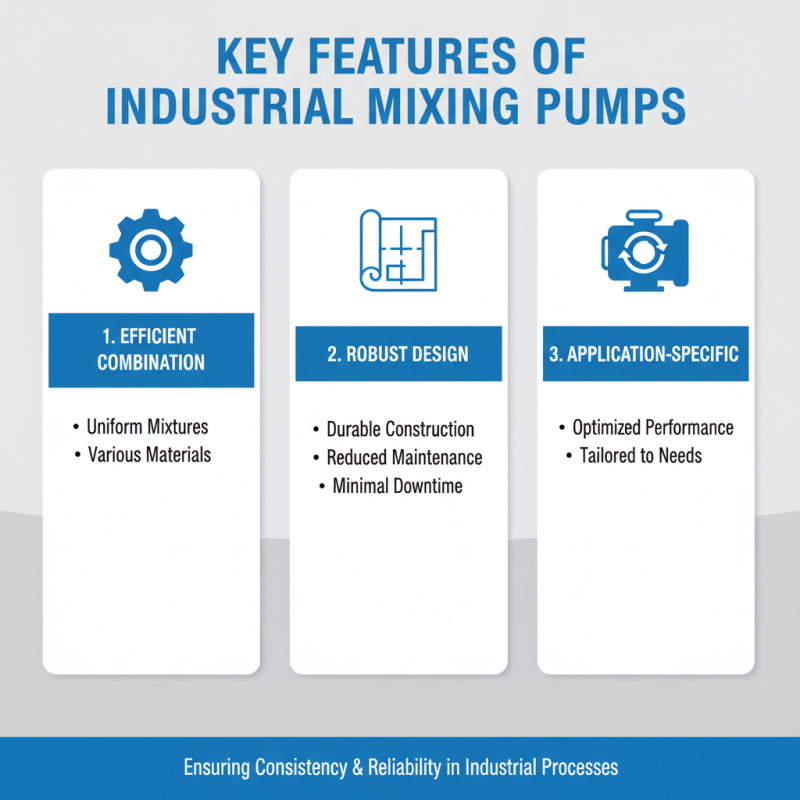
Mixing pumps are essential in many industrial operations. They efficiently combine various materials, ensuring a uniform mixture. Key features make these pumps suitable for specific applications. For instance, the pump's design significantly affects its performance. A robust construction ensures durability, reducing maintenance needs and downtime.
Consider the flow rate. Higher flow rates increase productivity but may compromise mixture consistency. Finding the right balance is crucial. Pump size affects its energy efficiency, which impacts operational costs. Energy-efficient pumps save money in the long run. However, the initial investment can be significant, requiring careful budgeting.
Another vital feature is the ease of cleaning. In industries like food and pharmaceuticals, sanitation is non-negotiable. Complex designs can make cleaning difficult, leading to contamination risks. An accessible pump design simplifies this process. Reflection is necessary here; sometimes, choosing a cheaper option may lead to greater long-term issues.
Types of Mixing Pumps: A Comprehensive Overview
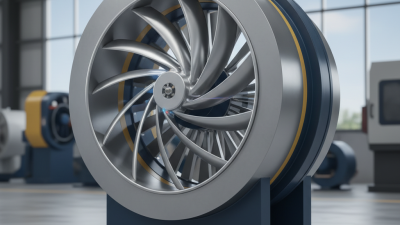
When exploring types of mixing pumps, several options stand out for industrial applications. Centrifugal pumps are commonly used due to their ability to handle large volumes of liquids. These pumps efficiently move fluids through a rotating impeller, generating high flow rates. However, they may struggle with high-viscosity materials.
Another option is positive displacement pumps. They work by trapping a fixed amount of fluid and displacing it with each cycle. These pumps are excellent for precise dosing. Still, they can be more complex to maintain. It's crucial to consider the specific needs of your applications for optimal performance.
Magnetic drive pumps offer a unique approach. They eliminate the need for seals, reducing the risk of leaks. This design is ideal for toxic or hazardous fluids. While they are generally reliable, their upfront cost can be a concern. Each type has its strengths and weaknesses, requiring careful evaluation of your mixing needs.
2026 Best Mixing Pump Options for Efficient Industrial Applications
Performance Metrics: Flow Rate, Pressure, and Energy Efficiency
Choosing the right mixing pump is crucial for industrial efficiency. It largely depends on three performance metrics:
flow rate, pressure, and energy efficiency. Each metric plays a significant role in overall productivity.
Flow rate indicates how much liquid can be moved within a specific timeframe. Higher flow rates are often desired for quick processing. However, achieving this can lead to challenges in consistency.
Next, pressure matters significantly. A pump's pressure affects how well it can mix materials. Too low pressure may result in inadequate mixing. Conversely, excessive pressure can lead to equipment failures. Thus, balancing these elements is essential.
Energy efficiency is another vital consideration. An efficient pump consumes less power. This leads to substantial cost savings and a reduced carbon footprint. However, finding this balance isn’t straightforward. Some pumps offer high energy efficiency at low flow rates but may struggle with higher demands. It's important to evaluate each scenario carefully. Remembering these metrics helps optimize performance, but continuous reflection on their effects is necessary.
Top Brands in 2026: Industry Leaders and Innovations
In 2026, the industrial mixing pump landscape is evolving rapidly. Companies are innovating to increase efficiency and reduce waste. According to industry reports, the mixing pump market is expected to grow by 8% annually, fueled by rising demand in various sectors like chemical processing and food production.
Top brands focus on durability and energy efficiency. Many pumps now feature advanced technologies that optimize performance. For example, smart pumps can adjust their operation based on real-time data, minimizing energy consumption and operational costs. These innovations are crucial as industries seek to reduce their carbon footprint.
Tip: Always consider the application when choosing a pump. Specific features may be required for certain fluids. Regularly review maintenance needs; neglect can lead to decreased efficiency.
Despite advancements, challenges remain. Many plants still struggle with outdated equipment. This can result in inefficiencies and higher operating costs. Continuous training for staff is essential. They need to be aware of the latest technologies and maintenance practices.
Tip: Conduct routine assessments of your mixing system. Identifying potential weaknesses can enhance overall performance. Encourage a culture of innovation within your team to improve processes over time.
Case Studies: Successful Industrial Applications of Mixing Pumps
Mixing pumps play a crucial role in various industrial processes. They blend liquids, solids, and gases effectively. Case studies highlight their impact in real-world applications. For instance, in chemical manufacturing, a company faced blending issues. Their solution involved optimizing mixing pump design. This led to improved consistency and reduced waste. The adjustments resulted in a safer work environment.
Another case involved food processing. A facility struggled with uniform mixing in its production line. By integrating a new style of mixing pump, they achieved better texture and quality in their products. The new system reduced the time needed for mixing by 25%. However, the transition was not without challenges. Initial maintenance costs increased as staff trained to operate the new equipment. Reflecting on this transition, the company learned the importance of thorough training programs.
In wastewater treatment, mixing pumps are also vital. A municipal plant needed to optimize its mixing process for efficiency. They implemented a pilot program with various pump types. This revealed inefficiencies in existing systems. The findings prompted redesigns in their approach. While the results were promising, ongoing monitoring was required. Such adjustments prove that industry adaptability is key to progress.
2026 Best Mixing Pump Options for Efficient Industrial Applications
| Application Type |
Pump Capacity (gpm) |
Viscosity Range (cP) |
Efficiency (%) |
Power Requirement (hp) |
| Chemical Processing |
50 |
1-1000 |
85 |
5 |
| Food and Beverage |
30 |
1-500 |
90 |
3 |
| Pharmaceutical |
70 |
0.5-300 |
88 |
7 |
| Wastewater Treatment |
100 |
1-5000 |
80 |
10 |
| Petrochemical |
150 |
5-10000 |
84 |
15 |